
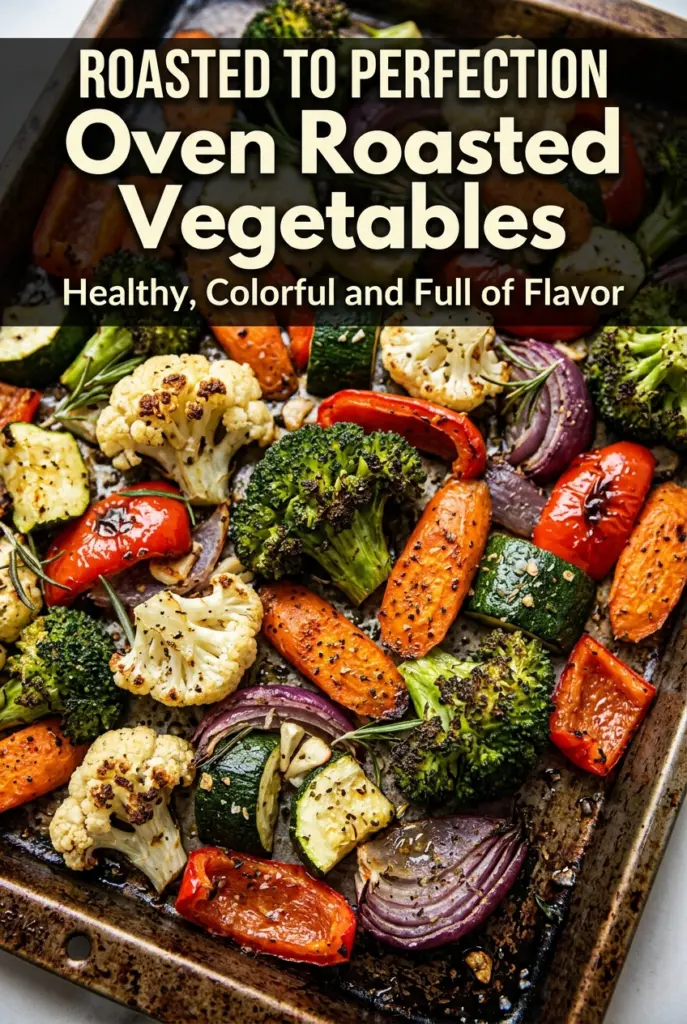
Oven Roasted Vegetables
Oven roasted vegetables earn a permanent spot in the dinner rotation when they come out with browned edges, tender centers, and enough flavor to stand on their own. The difference…
Tip: save now, cook later.Oven roasted vegetables earn a permanent spot in the dinner rotation when they come out with browned edges, tender centers, and enough flavor to stand on their own. The difference between limp sheet-pan vegetables and the kind people reach for first is simple: enough heat, enough space, and the right order of ingredients. When the pan is crowded, vegetables steam. When they’re spread out and roasted hot, they caramelize instead of softening into a bland tangle.
Broccoli and cauliflower love high heat because their cut edges crisp up before the stems turn mushy. Carrots and onions bring sweetness, while zucchini and bell pepper add moisture, so the trick is cutting everything into pieces that can finish around the same time. Garlic goes in with the oil so it coats the vegetables, but it doesn’t need much time in the oven or it can turn bitter. A final hit of lemon juice wakes everything up at the end and keeps the whole pan from tasting flat.
Below, I’m walking through the roasting cues that matter, the ingredient swaps that still give you good texture, and the one mistake that usually keeps vegetables from browning the way they should.
The vegetables roasted up with those browned, crispy edges instead of going soft, and the lemon at the end made the whole pan taste fresh. Even my picky kid ate the broccoli without complaining.
Save these oven roasted vegetables for the nights when you want crisp edges, tender centers, and a side dish that goes with almost anything.
The Reason Roasting Turns Watery Vegetables Into Something Worth Eating
Roasting works because dry heat pushes moisture out and gives the surface enough time to brown. The catch is that vegetables release water at different rates, and a pan full of mixed pieces can quickly go from caramelized to soggy if the pan is crowded or the oven runs too cool. A hot oven and a roomy sheet pan are what turn this from a soft vegetable mix into something with actual texture.
The other mistake is cutting everything to the same shape without thinking about density. Broccoli stems need a little more time than zucchini slices. Carrots and onions can handle a longer roast, while tender vegetables need a quicker path to the pan or they’ll collapse before the edges brown.
- High heat gives the vegetables a chance to brown before they leak too much moisture.
- Single layer spacing keeps steam from trapping under the vegetables.
- Different-sized cuts help the firmer vegetables and softer vegetables finish at the same time.
What Each Ingredient Is Actually Doing in This Dish
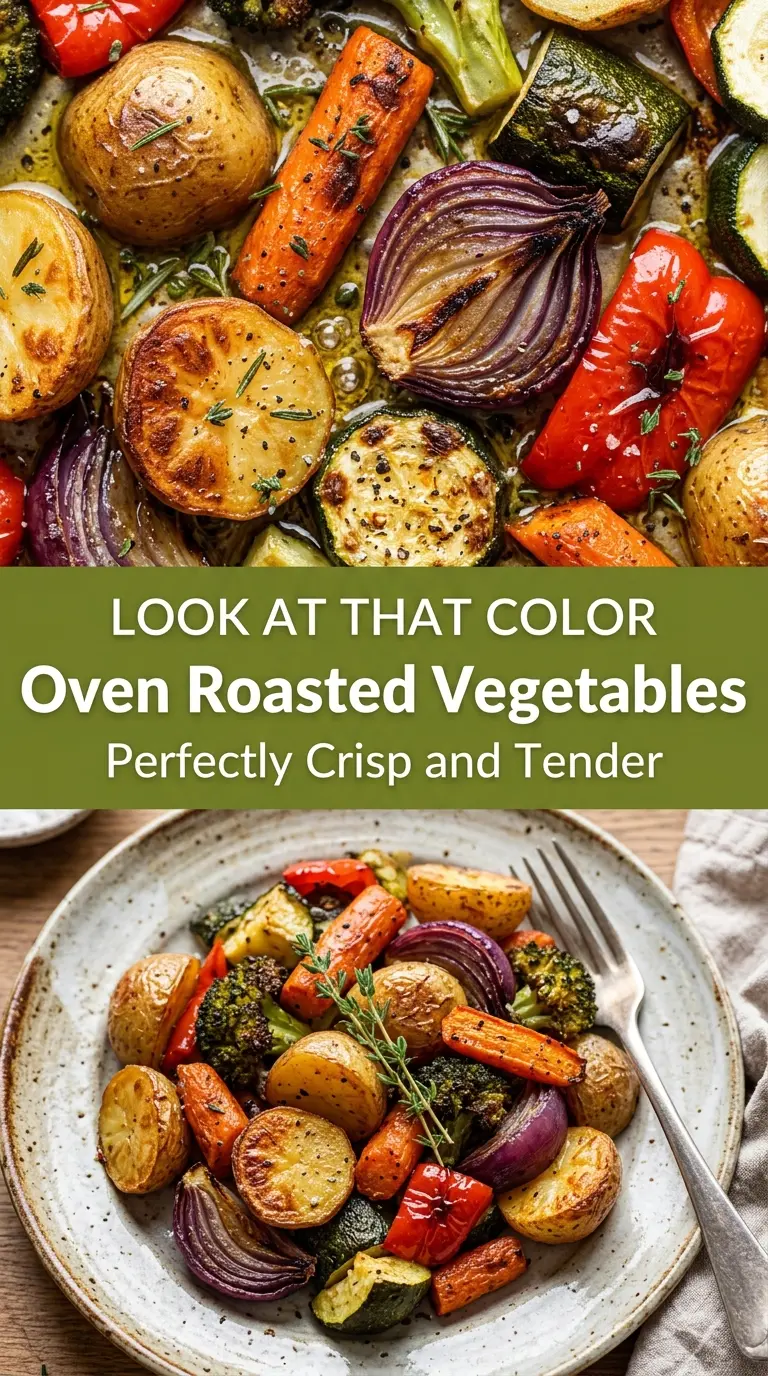
The mix of vegetables matters more than people think. Broccoli and cauliflower bring structure and those browned, nutty edges. Carrots and red onion add sweetness as they roast, which balances the sharper flavor of the garlic and lemon.
- Broccoli and cauliflower hold their shape well at 425°F, and their cut sides brown nicely. If you swap in Brussels sprouts, halve them so the flat side can sit against the pan.
- Carrots need to be sliced thin enough to finish in the same window as the softer vegetables. Thick coins stay firm while everything else overcooks.
- Zucchini softens fast and brings moisture, which is why it works best in larger half-moons or thick slices. Thin zucchini will go mushy before the rest of the pan is done.
- Olive oil coats the vegetables and helps conduct heat for browning. You can use avocado oil here too, but the vegetables won’t have the same round, savory flavor.
- Italian seasoning and garlic build the savory backbone. Fresh garlic gives the best flavor, but if you’re worried about scorching, toss it in well with the oil so it sits under the vegetables instead of directly on the pan.
- Lemon juice and parsley finish the dish after roasting. Add them at the end or the bright notes disappear in the oven.
The Pan Temperature, Timing, and Stir That Keep Them Caramelized
Coating the Vegetables Evenly
Start by tossing everything in a large bowl so the oil and seasoning reach every cut surface. The vegetables should look lightly glossy, not pooled in oil. Too much oil can leave the pan greasy and soften the edges instead of browning them. If the bowl looks dry in spots, add a little more oil rather than dumping it onto the sheet pan, where it won’t distribute well.
Roasting in a Single Layer
Spread the vegetables out with space between them. If they overlap, the trapped steam will keep them pale and soft. Use two pans if needed; that’s better than forcing everything onto one crowded sheet. The vegetables are ready for the first turn when the bottoms are picking up color and the edges of the broccoli and onion look a little blistered.
Turning at the Right Moment
Stir once halfway through roasting to expose the other sides, but don’t keep tossing them every few minutes. Constant movement prevents browning. After the turn, leave them alone until the vegetables are tender in the thickest pieces and the edges have deep golden spots. Pull them when the cauliflower is fork-tender and the zucchini is soft but still intact.
Finishing With Acid and Herbs
Drizzle the lemon juice over the vegetables right after they come out of the oven, then scatter the parsley on top. That last step matters because the acid and herbs brighten the whole tray without cooking away in the heat. If the vegetables taste a little flat after roasting, they usually don’t need more salt first — they need that final hit of acid.
What to Change When You Want a Different Pan of Vegetables
Make It Dairy-Free and Naturally Vegan
This recipe already lands in dairy-free territory, which is part of why it works so well for mixed company. The vegetables get their richness from olive oil and caramelization instead of butter or cheese, so the flavor stays clean and bright. If you want a little extra finish, add toasted nuts or a sprinkle of nutritional yeast after roasting, not before.
Swap the Vegetable Mix for What You Have
Use Brussels sprouts, mushrooms, green beans, or sweet potatoes if that’s what’s in the fridge, but match the cut to the cooking time. Dense vegetables need smaller pieces; watery vegetables need a little more space and a little less handling. The result changes, but the method stays the same: hot oven, dry pan, one stirring moment.
Add Protein for a Full Sheet-Pan Dinner
Toss in chickpeas during the last 15 minutes if you want something more filling. They crisp at the edges and pick up the garlic and herbs without falling apart. If you add raw chicken or sausage, use a separate tray or cut the vegetables larger so everything finishes safely and the pan doesn’t turn crowded.
Storage and Reheating
- Refrigerator: Store in an airtight container for up to 4 days. The vegetables soften a little, but the flavor stays good.
- Freezer: Freezing isn’t ideal for this mix because zucchini and bell pepper turn watery after thawing. Broccoli and cauliflower freeze better, but the full dish loses the roasted texture.
- Reheating: Reheat on a sheet pan in a 400°F oven until hot and the edges perk back up. The microwave works in a pinch, but it steams the vegetables and wipes out the caramelized bits you worked for.
The Questions People Ask Before They Roast the Pan
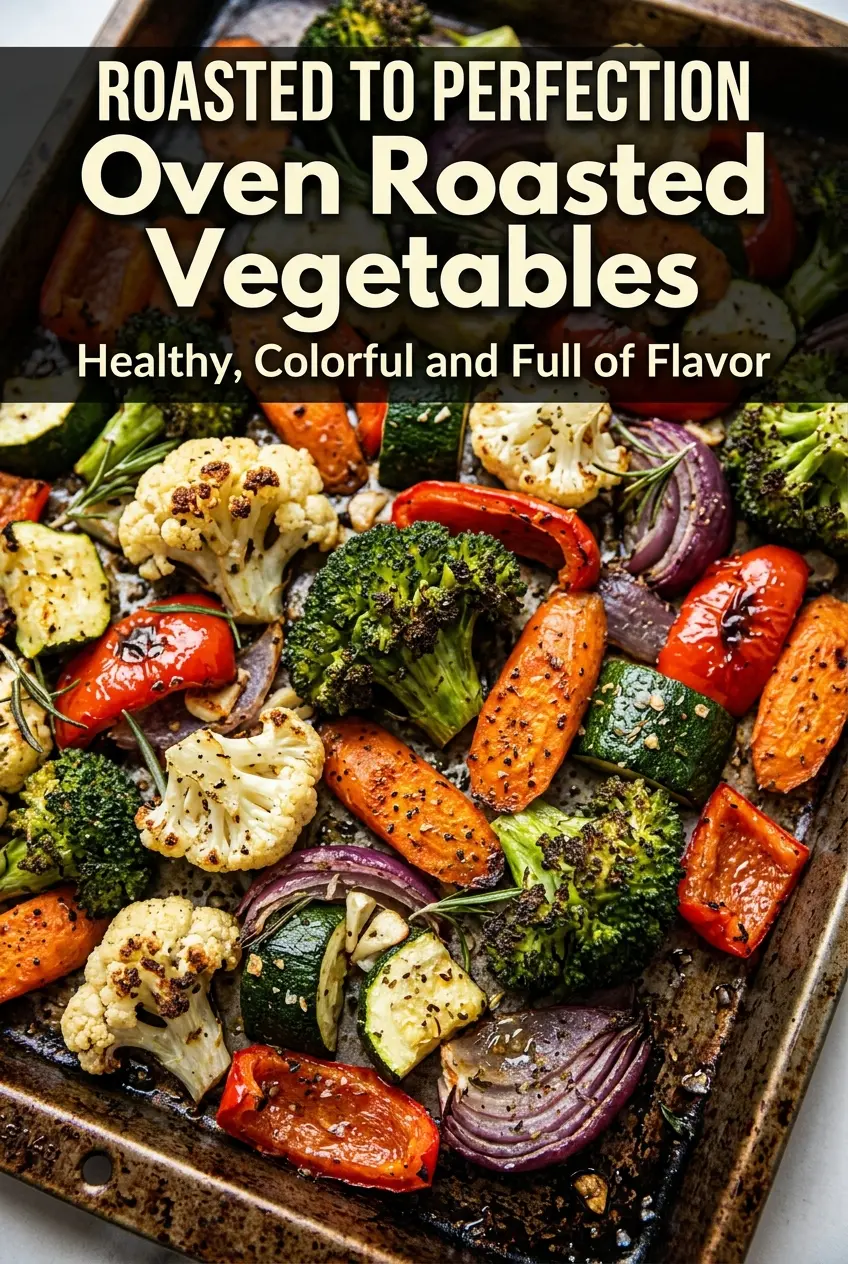
Oven Roasted Vegetables
Ingredients
Equipment
Method
- Preheat the oven to 425°F (220°C) and set out a large sheet pan lined with parchment paper.
- Add the broccoli florets, cauliflower florets, sliced carrots, chopped red bell pepper, sliced zucchini, and red onion wedges to a large mixing bowl.
- Add the olive oil, minced garlic, Italian seasoning, kosher salt, and black pepper to the vegetables.
- Toss the vegetables until evenly coated, with visible seasoning on all pieces.
- Spread the vegetables on the baking sheet in a single layer so they roast and brown rather than steam.
- Roast for 25–30 minutes at 425°F (220°C).
- Stir the vegetables once halfway through cooking to encourage even caramelization on both sides.
- Continue roasting until the vegetables are tender and lightly caramelized at the edges.
- Remove the baking sheet from the oven and let the vegetables cool for 1–2 minutes.
- Drizzle the roasted vegetables with lemon juice.
- Sprinkle with chopped fresh parsley and serve immediately.
