
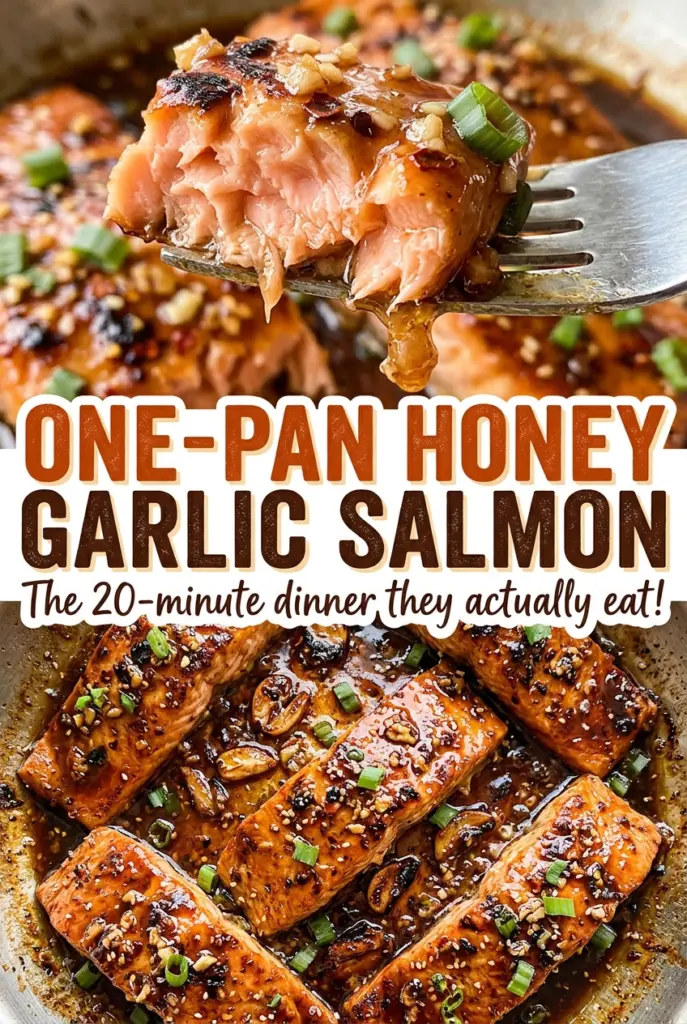
One-Pan Honey Garlic Salmon
The broccoli gets a head start in the oven, and that timing is what makes this one-pan honey garlic salmon feel effortless instead of like a juggling act. By the…
Tip: save now, cook later.The broccoli gets a head start in the oven, and that timing is what makes this one-pan honey garlic salmon feel effortless instead of like a juggling act. By the time the salmon goes onto the sheet, the florets have already started to soften and brown at the edges. The fish finishes beside them, and the honey-soy glaze turns glossy as it bakes.
I like this setup because the salmon and broccoli share one pan but don’t have to cook for the same amount of time. The glaze is stirred together in a bowl, then spooned over the fish right before baking; there’s no separate saucepan or stovetop step. Cut the broccoli into bite-size pieces so it cooks evenly, and keep the salmon portions together in the center of the pan. You get tender fish, browned broccoli, and a sweet-savory glaze with a little lift from lemon.
Kitchen Note
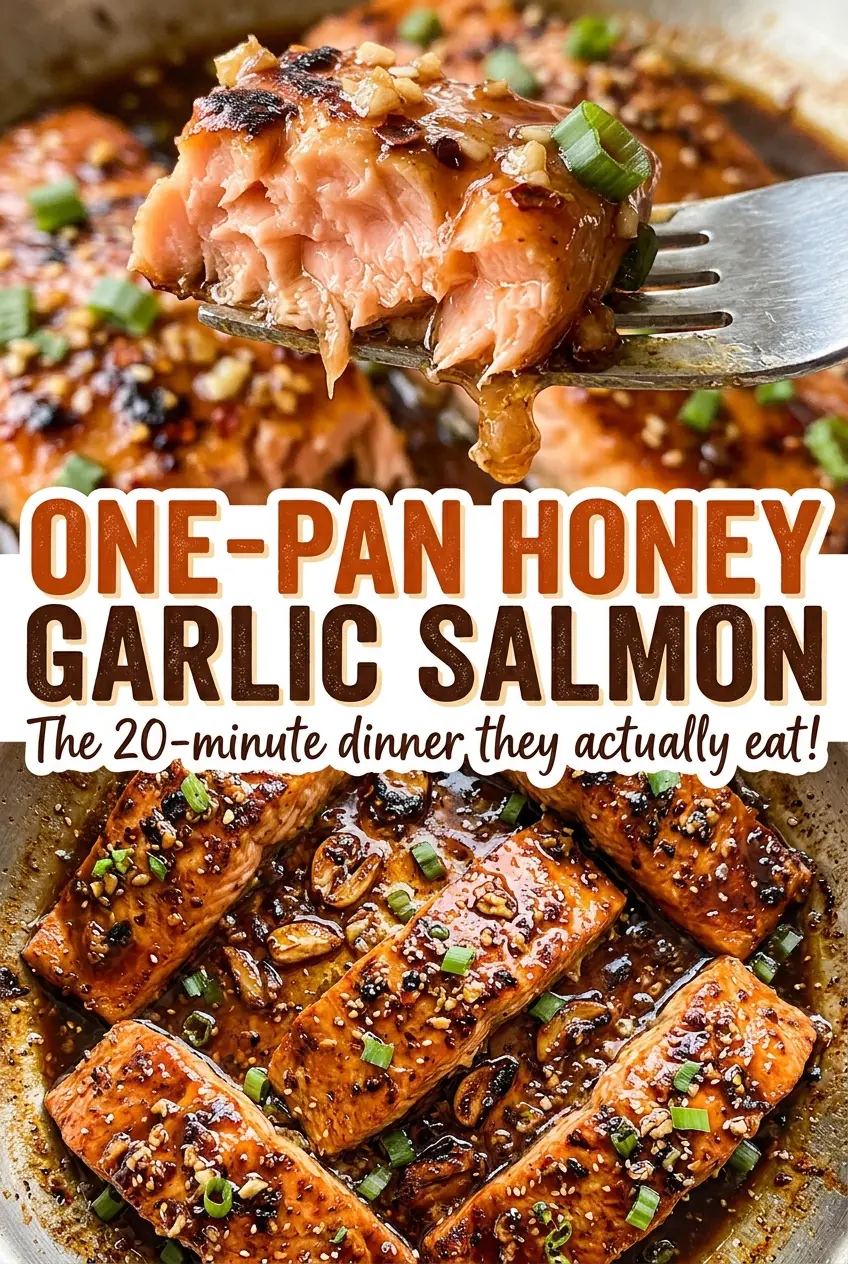
I keep the glaze in its bowl until the salmon is on the pan. Honey thickens as it sits, and a quick stir right before spooning helps keep the minced garlic evenly distributed through every portion.
Save One-Pan Honey Garlic Salmon for a night when you want glossy glazed fish and browned broccoli from a single pan.
Why the Broccoli Gets a 12-Minute Head Start
Salmon cooks quickly, while broccoli florets need time in the oven to soften and pick up browned edges. Starting them together would leave you choosing between fish that has baked too long and broccoli that is still firm in the middle. Giving the broccoli the first stretch of oven time solves that mismatch without using another pan.
After the broccoli roasts, push it out toward the edges and set the salmon portions in the open center. That arrangement gives the fish its own space while keeping everything on the same baking sheet. The broccoli stays exposed to the hot pan, and the salmon sits where you can spoon the glaze over it without coating the vegetables.
Cutting the florets into similar bite-size pieces matters here, too. A pile of tiny pieces will brown sooner than a mix of small and oversized chunks, and the bigger ones may still be firm when the salmon is ready. An even layer gives the broccoli room to roast rather than steam against its neighbors.
What Honey, Soy, and Lemon Each Contribute to the Glaze
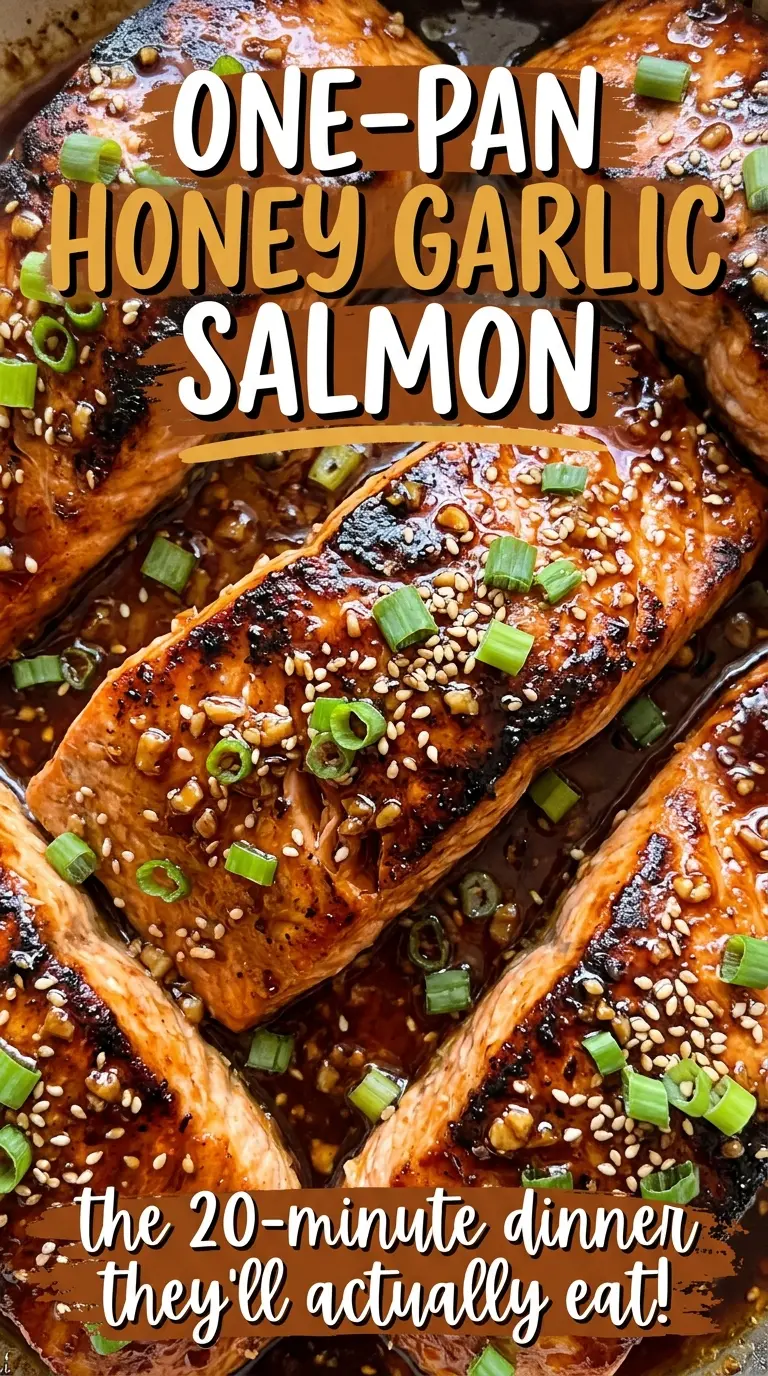
- Honey — It gives the glaze its gentle sweetness and helps it turn glossy in the oven. Use honey you enjoy the taste of, but there’s no need to reach for a specialty variety; a standard mild honey lets the garlic and soy come through.
- Low-sodium soy sauce — This brings salt and savory depth without making the glaze taste flat or one-note. Regular soy sauce will make the finished salmon saltier, so low-sodium is the better choice here. For a gluten-free version, use gluten-free tamari in its place.
- Garlic — Fresh minced garlic gives the glaze a savory bite that powdered garlic won’t quite match. Mince it finely enough that it can be stirred through the honey and soy instead of clumping together in large pieces.
- Lemon juice — The bright acidity keeps the sweet honey from dominating. Fresh lemon juice has a clean, lively taste, though bottled juice works when that’s what you have on hand.
- Broccoli — Fresh florets roast well in the time available and develop browned edges while staying tender. Cut the florets into bite-size pieces, and trim any especially thick stems so they cook at a similar pace.
- Skin-on salmon — The skin gives each portion a sturdy base as it bakes on the pan. Choose portions that are close in thickness so they finish around the same time; the thickest part is the place to check for doneness.
- Olive oil and black pepper — The oil helps coat the broccoli for roasting, while pepper adds a little warmth alongside the sweet glaze. A basic olive oil is all you need for the vegetables.
How to Roast the Broccoli Before the Salmon Joins the Pan
Heat the oven and prepare the sheet
Heat the oven to 425°F and line an 18×13-inch rimmed baking sheet with parchment paper. The rim keeps the broccoli and glaze contained as you move the pan, and the parchment makes cleanup easier. Have the pan ready before you start tossing the broccoli so it can go straight into the oven.
Stir together the honey garlic glaze
In a small bowl, stir together the honey, low-sodium soy sauce, minced garlic, and lemon juice. Mix until the honey loosens into the other ingredients and the garlic is spread through the glaze. Set it nearby while the broccoli roasts, then give it another stir before using it.
Roast the broccoli until the edges start to brown
Toss the bite-size broccoli florets on the prepared sheet with olive oil, kosher salt, and black pepper. Spread them into an even layer and roast for 12 minutes. Look for florets that have started to soften, with some color developing where they meet the hot pan. If they’re piled on top of one another, spread them out so they roast instead of trapping steam.
Add the salmon and finish baking
Push the broccoli toward the edges of the pan, then place the salmon portions skin-side down in the center. Spoon the glaze over the salmon, keeping it on the fish rather than pouring it across the broccoli. Bake for 10 to 14 minutes, until the thickest part of the salmon reaches 145°F and the broccoli is tender with browned edges. Check the thickest portion first, since thinner pieces can finish sooner.
Easy Swaps for a Different Glaze
Make the glaze gluten-free with tamari
Replace the low-sodium soy sauce with the same amount of gluten-free tamari. The glaze stays savory, though tamari can taste a little fuller and less sharp, so keep the honey and lemon in place to balance it.
Trade lemon for lime
Use lime juice in place of the lemon juice in the glaze. It keeps the same bright contrast to the honey, with a slightly sharper citrus edge that works especially well with the garlic and soy.
Use maple syrup instead of honey
Swap in the same amount of pure maple syrup for a woodsy, less floral sweetness. The glaze will be a little thinner and less sticky, but it still coats the salmon and pairs neatly with the lemon and garlic.
Storage and Reheating
- Refrigerator: Refrigerate leftovers within 2 hours and use them within 3 to 4 days. The broccoli will soften, and the salmon won’t have the same just-baked texture.
- Freezer: Freeze cooled portions in an airtight container for up to 2 to 3 months for best quality. Thaw overnight in the refrigerator; the broccoli will be softer after thawing.
- Reheating: For the gentlest result, microwave a portion covered at 50% power in short bursts, checking between bursts until the center reaches 165°F. High heat for too long dries the salmon before the broccoli warms through.
Questions I Get Asked About One-Pan Honey Garlic Salmon
One-Pan Honey Garlic Salmon
Ingredients
Equipment
Method
- Heat the oven to 425°F.
- Line an 18x13-inch rimmed baking sheet with parchment paper.
- Stir together the honey, soy sauce, garlic, and lemon juice in a small bowl.
- Toss the broccoli with the olive oil, salt, and pepper on the prepared baking sheet, then spread it in an even layer.
- Roast for 12 minutes.
- Push the broccoli to the edges of the pan.
- Place the salmon portions skin-side down in the center.
- Spoon the glaze over the salmon.
- Bake for 10 to 14 minutes, until the salmon reaches 145°F in the thickest part and the broccoli is tender and browned at the edges.
