
Gingerbread Cheesecake Bars
When I lift a chilled slab of cheesecake from the pan, I want the crust to stay underneath the filling instead of crumbling across the cutting board. These gingerbread cheesecake…
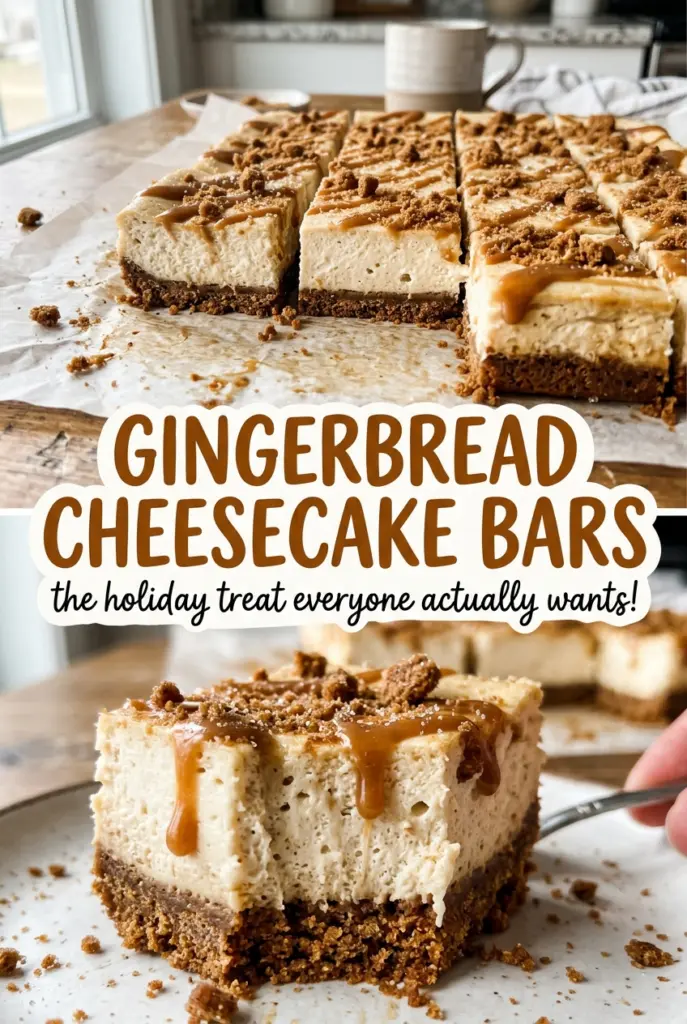
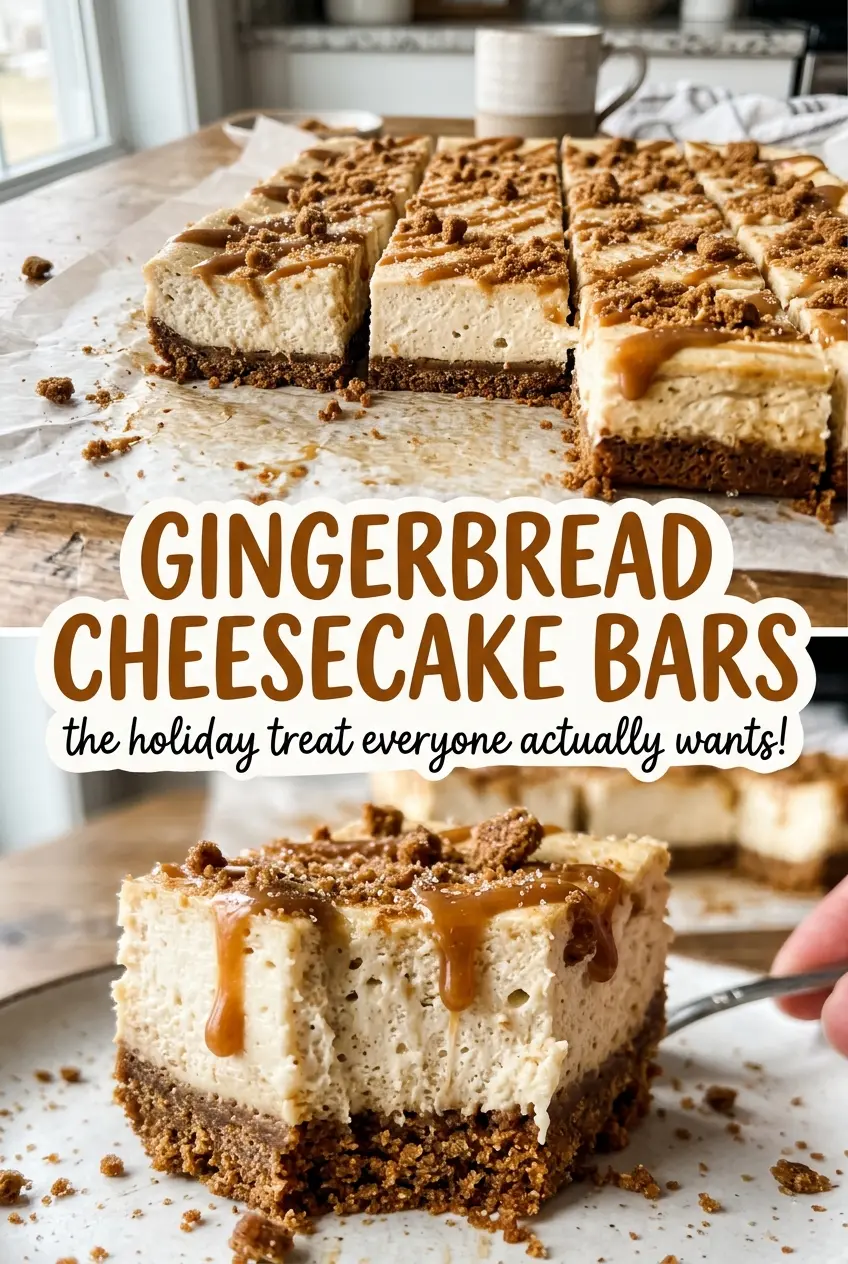
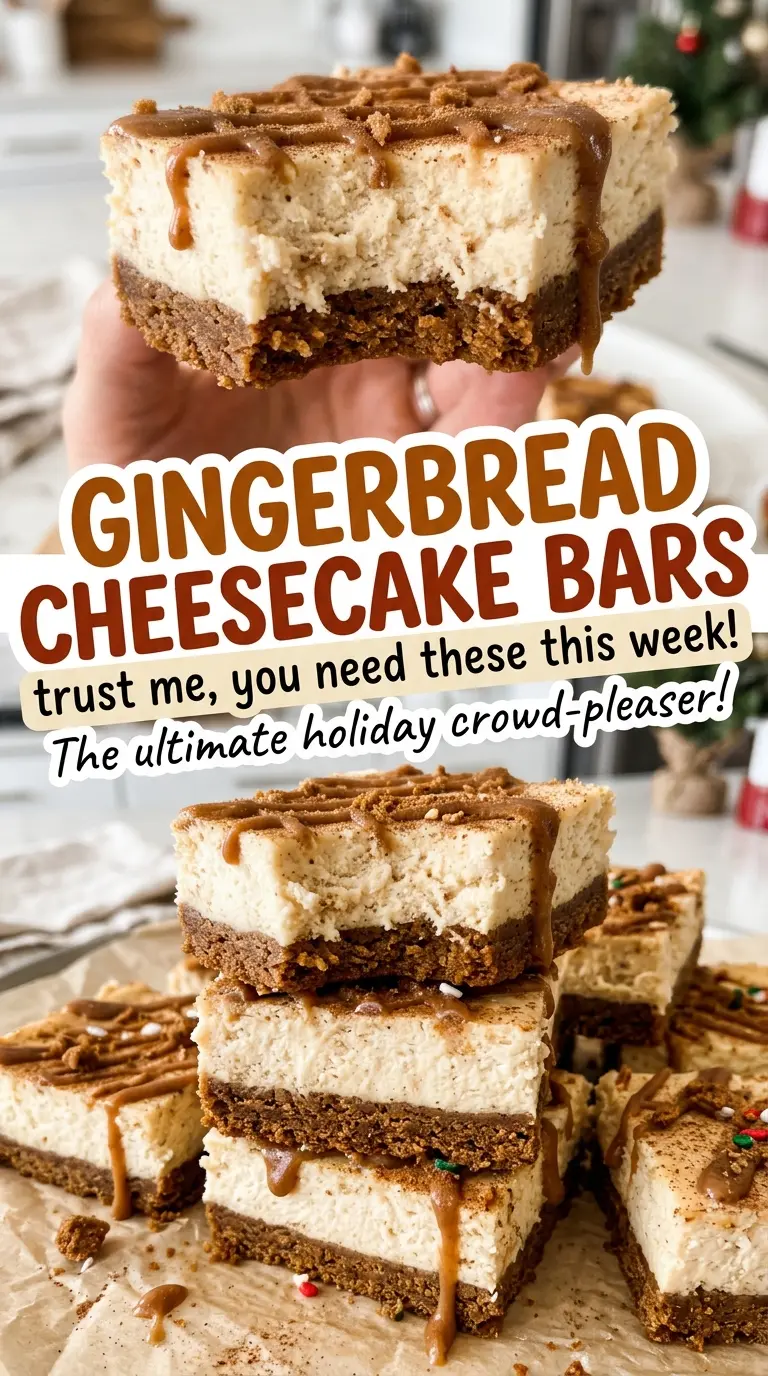
Tip: save now, cook later.When I lift a chilled slab of cheesecake from the pan, I want the crust to stay underneath the filling instead of crumbling across the cutting board. These gingerbread cheesecake bars get that sturdy base from finely crushed gingersnaps pressed into an even layer, then baked before the filling goes on. The first bite brings that crisp, warmly spiced cookie flavor right up against a smooth, tangy center.
The filling leans on unsulphured molasses, brown sugar, and ground ginger for its gingerbread character, with sour cream to keep the cream cheese layer from tasting too heavy. I mix the eggs in last and keep the mixer on low, which helps the filling stay smooth without beating in extra air. After a full chill, the bars cut neatly and hold their shape, with a soft, creamy middle and a crumbly gingersnap base.
Kitchen Note
Add the eggs one at a time on low speed, stopping as soon as each disappears into the filling. A few extra seconds of beating can work in more air than this dense cheesecake needs.
Save these gingerbread cheesecake bars for a bake-ahead dessert with a crisp gingersnap base and a smooth, molasses-spiced center.
Why a 9-by-13 Pan Makes These Cheesecake Bars Easier to Serve
A full-size cheesecake is lovely, but its soft center and tall sides can make tidy portions a little fussy. Spreading this filling over a gingersnap crust in a 9-by-13-inch pan gives you a lower, even layer that’s meant to be lifted out and cut into bars. Each piece gets a clear stripe of crust and filling instead of a tall wedge that needs careful plating.
That broad, shallow shape also makes it easier to judge the bake across the pan. You’re watching for set edges and a center that has just set, rather than waiting for the entire surface to look firm. Don’t push the center until it feels hard; cheesecake continues to settle as it cools and chills. The finished bars should be creamy, not dry or cakey, and their clean edges come from giving the pan enough time in the refrigerator before cutting.
What the Gingersnaps, Molasses, and Sour Cream Bring to the Filling
- Gingersnap cookies — They make a crisp, spiced base without needing extra seasoning in the crust. Crush them finely so the crumbs press together into an even layer; large pieces leave weak spots. If you’re adapting the bars for a gluten-free diet, use gluten-free gingersnap cookies.
- Cream cheese — This gives the filling its dense, creamy structure. Let it soften before mixing; cold cream cheese is much more likely to leave small lumps. A whipped or spreadable cream cheese isn’t a good stand-in here because its texture and water content differ.
- Unsulphured molasses — Molasses supplies the dark, rounded sweetness that makes the filling taste like gingerbread. Use the unsulphured kind for a balanced flavor; blackstrap molasses tastes much more bitter and can overpower the spices.
- Sour cream — Its gentle tang keeps the sweet filling from tasting one-note. Plain Greek yogurt can replace it in the same amount, though the filling may taste a touch tangier and set a little firmer.
- Brown sugar — Packed brown sugar adds moisture and a mellow caramel note that works with the molasses. Break up any hard lumps before mixing so they don’t leave pockets in the filling.
- Ground ginger, cinnamon, and cloves — Together they give the bars their familiar gingerbread warmth. Check that ground spices smell fragrant when you open the jar; spices that have been sitting for years can make the finished filling taste muted.
- Eggs and flour — Room-temperature eggs blend more smoothly into the cream cheese mixture. The small amount of flour helps the filling hold together when sliced; for a gluten-free version, replace the all-purpose flour with a measure-for-measure gluten-free flour blend.
Build the Crust and Filling Without Overworking Either One
Press an Even Gingersnap Base
Heat the oven to 325°F and line a 9-by-13-inch pan with parchment, leaving overhang on two sides, then lightly coat the parchment with nonstick cooking spray. Stir the finely crushed gingersnaps with the melted butter and brown sugar until all the crumbs look evenly moistened. Press the mixture firmly into the bottom in a level layer; loose or uneven patches can crumble when you cut the bars. Bake the crust for 10 minutes, then leave it in the pan for the warm filling.
Beat the Cream Cheese Until Smooth
Beat the softened cream cheese and brown sugar in a large bowl with an electric mixer on medium speed. Stop to scrape the bowl as needed, especially where cream cheese collects around the bottom and sides. Keep mixing only until the mixture looks smooth; any stubborn lumps now will still be noticeable in the finished bars. Softened cream cheese makes this stage much easier than trying to beat it smooth straight from the refrigerator.
Mix in the Gingerbread Flavor
Beat in the molasses, sour cream, flour, vanilla, ginger, cinnamon, cloves, and kosher salt until combined. Scrape the bowl again so the darker molasses mixture is evenly distributed rather than streaked through the cream cheese. Add the room-temperature eggs one at a time on low speed, mixing just until each is incorporated. The filling should look cohesive and thick, not foamy.
Bake Until the Center Has Just Set
Pour the filling over the warm crust and smooth it into an even layer. Bake for 40 to 50 minutes, until the edges are set, the center is just set, and an instant-read thermometer in the center reads 160°F. If the middle still looks loose, give it more time within that range rather than judging only by the color of the top. Cool the pan completely on a wire rack for about 1 hour, cover, and refrigerate for at least 4 hours; then use the parchment overhang to lift out the slab and cut it into bars.
Easy Ways to Adjust These Gingerbread Cheesecake Bars
Make the ginger more pronounced
Use 1½ tablespoons of ground ginger instead of 1 tablespoon, keeping the cinnamon and cloves the same. The filling will have a more direct ginger warmth, while the gingersnap crust still gives each bar its familiar spiced-cookie crunch.
Make a gluten-free batch
Choose gluten-free gingersnap cookies for the crust and replace the all-purpose flour with a measure-for-measure gluten-free flour blend. The bars keep the same gingerbread-and-cheesecake character, though the crust’s texture will depend on the cookies you use.
Use Greek yogurt for a tangier filling
Swap plain Greek yogurt for the sour cream in the same amount. It brings a little more tang and can make the filling slightly firmer, while keeping the creamy texture that makes these bars easy to slice.
Storage and Reheating
- Refrigerator: Keep the bars covered in the refrigerator for up to 4 days. The crust softens a little as it sits beneath the filling.
- Freezer: Freeze cut bars in a single layer until firm, then wrap them well or store them in an airtight container for up to 2 months. Thaw in the refrigerator before serving.
- Reheating: These bars are best served chilled, so don’t microwave them; warming softens the filling and can make the crust greasy.
Questions I Get Asked About Gingerbread Cheesecake Bars
Gingerbread Cheesecake Bars
Ingredients
Equipment
Method
- Heat the oven to 325°F.
- Line a 9x13-inch baking pan with parchment paper, leaving overhang on two sides, and lightly coat the parchment with nonstick cooking spray.
- Stir the gingersnap crumbs, melted butter, and brown sugar together until evenly moistened.
- Press the mixture firmly into the pan in an even layer and bake for 10 minutes.
- Beat the cream cheese and brown sugar in a large bowl with an electric mixer on medium speed until smooth, scraping down the bowl as needed.
- Beat in the molasses, sour cream, flour, vanilla, ginger, cinnamon, cloves, and salt until combined.
- Mix in the eggs one at a time on low speed just until incorporated.
- Pour the filling over the warm crust and bake for 40–50 minutes, until the edges are set and the center is just set and reaches 160°F on an instant-read thermometer.
- Cool completely in the pan on a wire rack, about 1 hour.
- Cover and refrigerate for at least 4 hours.
- Lift the cheesecake out by the parchment and cut into bars.
