
Classic Pasta Napoletana with San Marzano Tomato Basil Sauce
Silky tomato sauce, tangled spaghetti, and a finish of fresh basil and Parmigiano make Pasta Napoletana one of those rare dinners that tastes far more complete than the ingredient list…
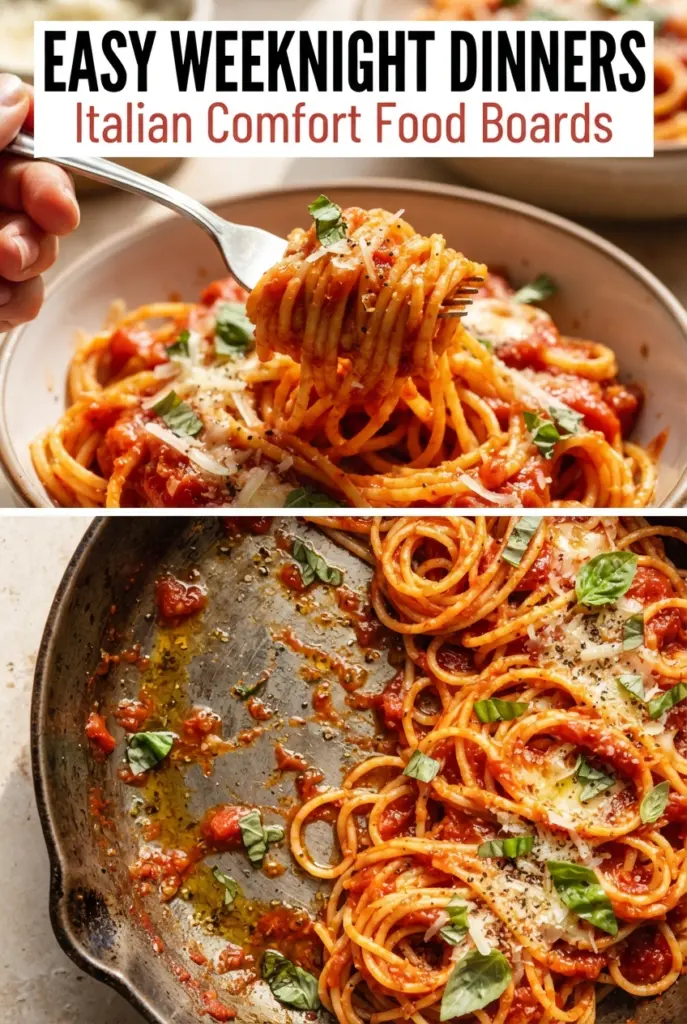
Tip: save now, cook later.Silky tomato sauce, tangled spaghetti, and a finish of fresh basil and Parmigiano make Pasta Napoletana one of those rare dinners that tastes far more complete than the ingredient list suggests. The sauce stays simple on purpose: sweet San Marzano tomatoes, olive oil, garlic, and a slow simmer that turns everything glossy instead of sharp. When it’s done right, the pasta doesn’t sit under the sauce. It gets coated by it.
The part that matters most here is restraint. The onion softens gently in olive oil, which gives the sauce a rounder base without turning it heavy, and the tomatoes simmer uncovered so the water cooks off before the pasta goes in. That last step is what gives you a sauce that clings instead of sliding off the noodles. A splash of starchy pasta water at the end finishes the job and makes the whole pan come together.
Below, I’ve included the little details that keep this dish tasting bright and balanced, plus the one timing cue I watch every time I make it. If you’ve ever had tomato sauce that tasted flat or thin, this version shows exactly where the flavor and texture come from.
The sauce thickened up beautifully and coated the spaghetti instead of pooling at the bottom of the bowl. I added a little pasta water at the end like you said, and it tasted like something from a neighborhood trattoria.
Save this Pasta Napoletana for the night you want a simple tomato sauce that turns spaghetti into a true trattoria-style dinner.
The Trick to a Sauce That Clings Instead of Pooling
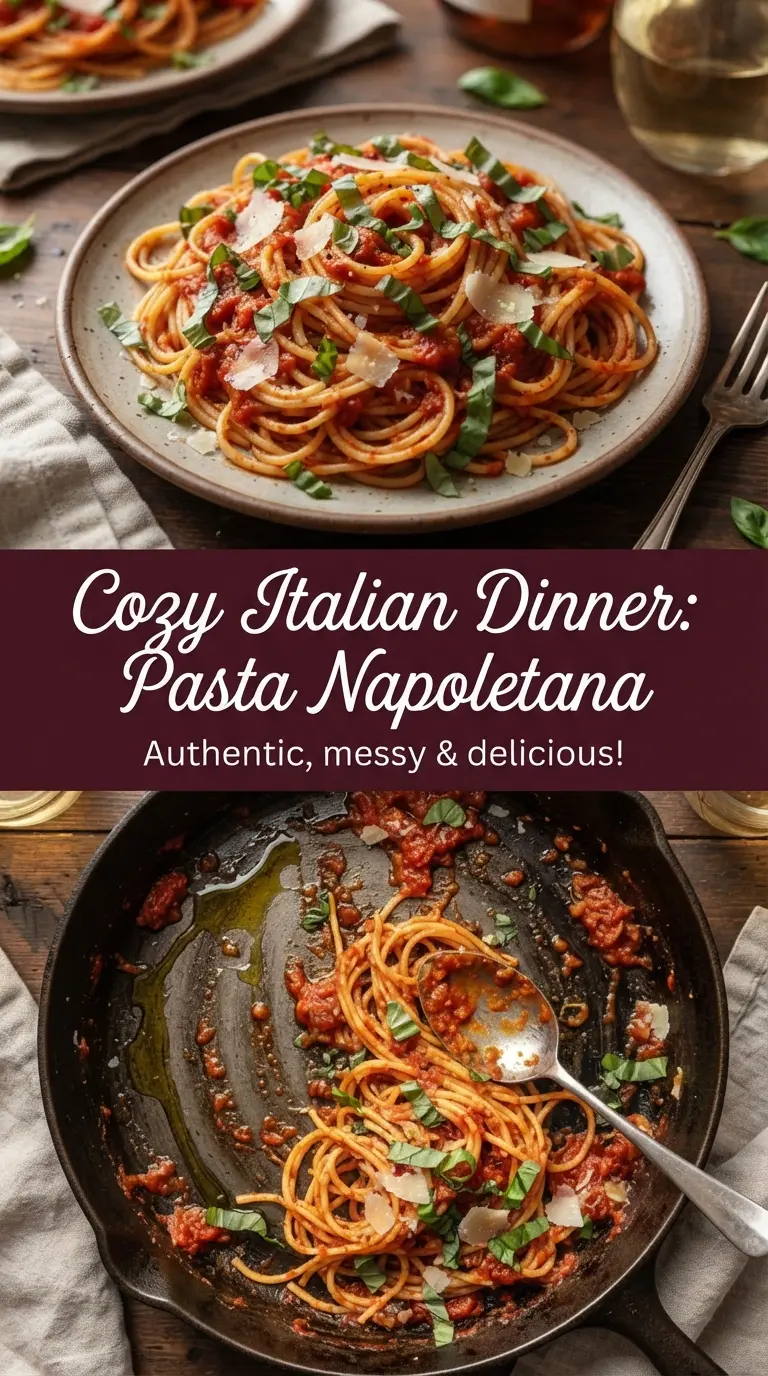
The biggest mistake with a tomato-and-basil pasta like this is rushing the sauce before the tomatoes have had time to lose their water. San Marzano tomatoes are naturally sweet and low in acidity, but they still need a good uncovered simmer so the sauce tightens up. If you stop too soon, you get a watery pan sauce that slips off the pasta instead of coating it.
The second piece is the pasta water. It’s not there to thin the sauce out; it’s there to help the olive oil, tomato, and starch bind together into something glossy. That’s why the final toss happens over heat for just a minute or two. You’re not cooking the pasta again. You’re finishing the sauce.
- San Marzano tomatoes — These bring a sweeter, cleaner tomato flavor than most standard canned tomatoes. If you can’t find them, use the best whole peeled tomatoes you can buy and crush them by hand for a more rustic texture.
- Extra-virgin olive oil — This isn’t just for sautéing. It gives the sauce its silkiness and helps the finished pasta taste round and full. A decent bottle matters here because the oil is one of the main flavors.
- Yellow onion — The onion softens into the base of the sauce and adds depth without taking over. Chop it finely so it melts into the sauce instead of leaving chunky pieces behind.
- Fresh basil — Add some leaves early so the sauce picks up that herbal note, then add more at the end for brightness. Dried basil won’t give the same fresh finish, so I’d skip it if possible.
- Parmigiano-Reggiano — Use the real stuff if you can. It adds salt, nutty depth, and a little richness that makes the simple sauce feel finished. Pre-grated cheese won’t melt as smoothly and can dull the final texture.
How to Build the Sauce in the Same Pan Without Losing the Shine
Softening the Onion Gently
Warm the olive oil over medium-low heat and cook the onion until it turns soft and translucent, not browned. Browning changes the flavor into something sweeter and deeper, which isn’t wrong, but it pushes this sauce away from the clean Neapolitan style. If the onion starts to take on color, lower the heat right away. The goal is a mellow base that disappears into the tomatoes.
Letting the Tomatoes Cook Down
Add the crushed tomatoes, salt, and a few basil leaves, then simmer uncovered until the sauce thickens and you can see the oil separating slightly at the edges. That visual cue matters. It tells you the excess water has cooked off and the sauce is concentrated enough to coat pasta. If the sauce still looks loose and glossy like soup, give it more time.
Finishing With Pasta Water and Heat
Cook the spaghetti just shy of al dente, then move it straight into the sauce with a splash of reserved water. Toss over medium heat until the strands look lacquered and the sauce clings to them in a thin, even layer. If it gets too tight, add another small splash of water. Take the pan off the heat before the final basil and olive oil go in, or the herbs lose their brightness.
How to Adapt This for a Lighter Bowl, a Bigger Crowd, or a Pantry Day
Gluten-Free Pasta Napoletana
Use your favorite gluten-free spaghetti and stop cooking it when it still has a firm center. Gluten-free pasta softens fast once it hits hot sauce, so tossing it for too long can turn the strands mushy. Keep a little extra pasta water nearby and add it in small splashes so the sauce stays glossy.
Dairy-Free Finish
Skip the Parmigiano and finish with a final drizzle of good olive oil and a little extra basil. You lose the salty nuttiness of the cheese, so taste the sauce carefully at the end and add a pinch more salt if needed. The dish stays just as comforting, only a little cleaner and lighter.
Adding Protein Without Overcomplicating It
This sauce works with browned Italian sausage, seared shrimp, or even a handful of chickpeas stirred in at the end. Cook the protein separately so the sauce doesn’t get greasy or crowded, then fold it in when the pasta is nearly finished. That keeps the texture clean and the sauce balanced.
Make It From Pantry Staples
If you don’t have fresh basil, you can still make a good version with just the tomatoes, onion, garlic, and olive oil, then finish with a little parsley if that’s what you have. It won’t taste as fragrant, but the tomato base still carries the dish. In that case, don’t overthink it — the slow simmer matters more than having every garnish on hand.
Storage and Reheating
- Refrigerator: Store leftovers in an airtight container for up to 4 days. The sauce will thicken as it chills, and the pasta will absorb some of it.
- Freezer: The sauce freezes well on its own for up to 3 months. I don’t love freezing the pasta already mixed in because the spaghetti softens too much when it thaws.
- Reheating: Reheat the sauce gently on the stove with a splash of water before adding the pasta back in. If you microwave it straight from the fridge, it can turn pasty and uneven. A little extra olive oil at the end brings back the shine.
Answers to the Questions Worth Asking
Classic Pasta Napoletana with San Marzano Tomato Basil Sauce
Ingredients
Equipment
Method
- Pour the tomatoes into a bowl and crush them by hand into small, rustic pieces.
- Set the crushed tomatoes aside while you cook the sauce.
- Heat the olive oil in a large skillet over medium-low heat.
- Cook the onion for 6–7 minutes, until soft and translucent but not browned.
- Add the garlic and cook for 1 minute, until fragrant.
- Stir in the crushed tomatoes, 1 tsp salt, and 4–5 basil leaves.
- Simmer the sauce uncovered for 20–25 minutes, stirring occasionally, until thickened and the oil starts to pool at the edges.
- Bring a large pot of salted water to a boil.
- Cook the spaghetti 1 minute short of al dente, then reserve 1 cup of the pasta water and drain the rest.
- Add the spaghetti to the sauce and toss over medium heat for 1–2 minutes, adding splashes of pasta water until the sauce turns glossy and clings to every strand.
- Take the skillet off the heat and stir in the remaining torn basil.
- Drizzle in a little olive oil, then taste and adjust the salt.
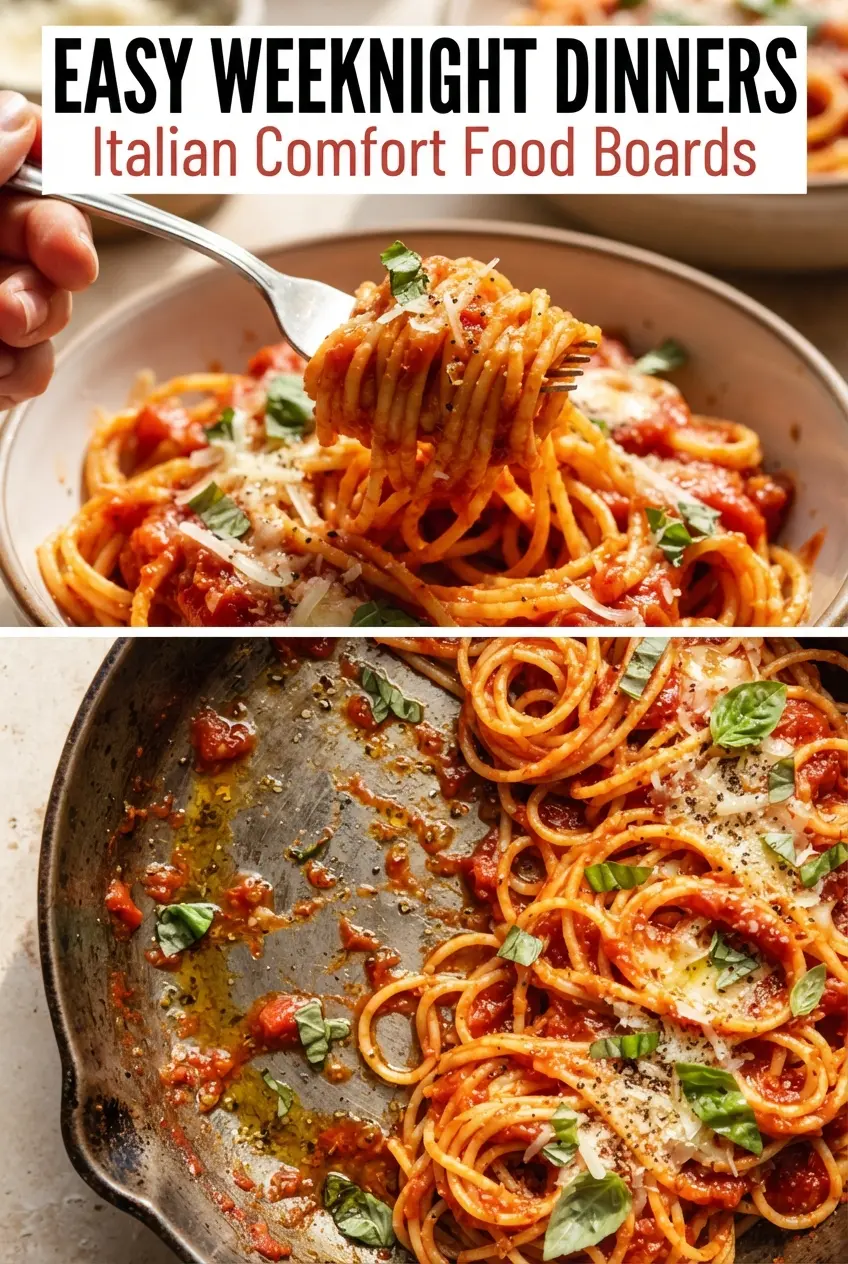
- Twirl into bowls and top with grated Parmigiano-Reggiano and fresh basil, then serve hot.
