
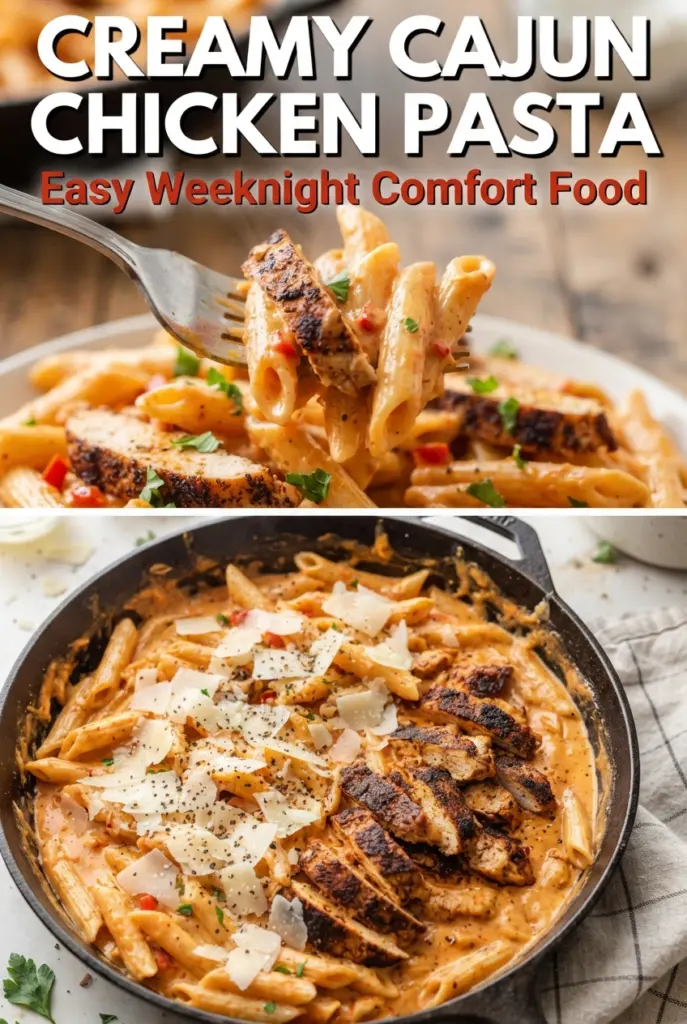
Creamy Cajun Chicken Pasta with Parmesan Cream Sauce
Juicy Cajun chicken over penne in a Parmesan cream sauce gets its best quality from contrast: browned, seasoned chicken; a sauce that stays silky instead of clinging in lumps; and…
Tip: save now, cook later.Juicy Cajun chicken over penne in a Parmesan cream sauce gets its best quality from contrast: browned, seasoned chicken; a sauce that stays silky instead of clinging in lumps; and enough red pepper and garlic to keep the richness from feeling heavy. The pasta catches the sauce in every ridge, and the whole skillet has that restaurant-style look without asking for complicated steps or extra pans.
What makes this version work is timing. The chicken gets a full sear before it ever meets the sauce, which builds flavor in the pan. Then the broth loosens the browned bits before the cream goes in, so the sauce picks up depth instead of tasting flat. Freshly grated Parmesan matters here because pre-shredded cheese often leaves the sauce grainy instead of smooth.
You’ll find a few small details below that make a big difference, including how to keep the sauce from tightening up too fast and what to do if you want the heat dialed down a notch without losing the Cajun character.
The sauce came out silky and thickened right after the Parmesan went in, and the chicken stayed juicy even after slicing. I served it with extra parsley on top and my husband asked if we could put it on the meal rotation.
Save this creamy Cajun chicken pasta for a night when you want bold flavor, a silky Parmesan sauce, and a 30-minute stovetop dinner.
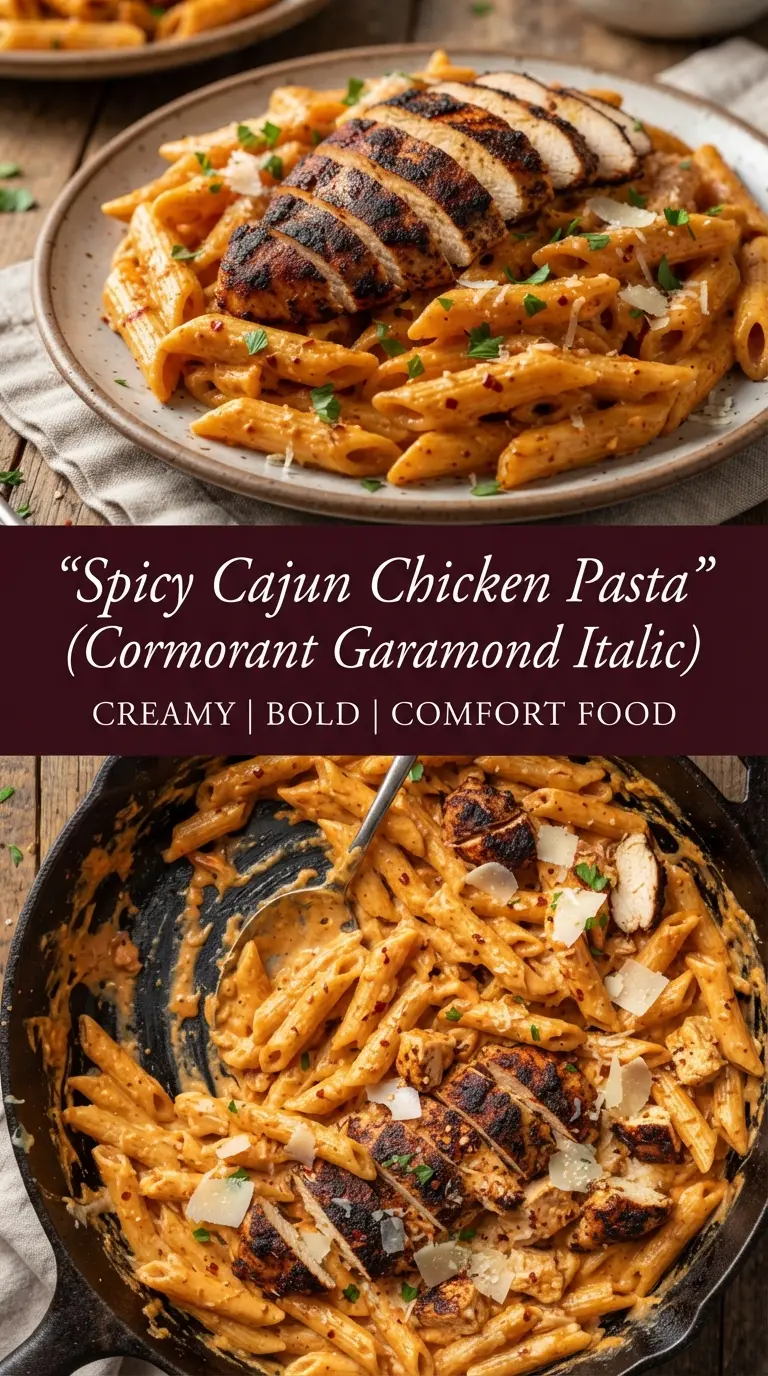
The Difference Between a Creamy Sauce and a Broken One
The biggest mistake with a dish like this is rushing the dairy. Heavy cream can handle heat, but Parmesan can’t handle abuse. If the pan is too hot when the cheese goes in, the sauce can turn grainy or separate instead of turning glossy and smooth.
The other trap is skipping the browning in the pan. Those dark bits left after searing the chicken are concentrated flavor, and the broth lifts them right into the sauce. That’s why the skillet matters here. You’re not just cooking in it; you’re building the sauce from the pan drippings.
- Cajun seasoning — This does most of the seasoning work on the chicken and in the sauce, so use one you actually like. Some blends are saltier than others, which is why it helps to taste the sauce before adding anything extra.
- Freshly grated Parmesan — This is one place where quality matters. A wedge grated fine melts into the cream and thickens it without turning sandy. Pre-grated cheese often has anti-caking agents that fight the texture you want.
- Heavy cream — Half-and-half won’t give you the same body, especially once the Parmesan goes in. If you need a lighter result, use it, but expect a thinner sauce that needs less pasta water.
- Red bell pepper — It brings sweetness and a little crunch that keep the sauce from tasting one-note. Dice it small so it softens quickly and disappears into the sauce instead of feeling bulky.
- Chicken broth — Use it to loosen the browned bits and start the sauce with some savory depth. Water will work in a pinch, but the sauce will taste flatter.
Building the Sauce in the Same Pan You Seared the Chicken In
Boiling the Pasta to the Right Point
Cook the penne until it’s al dente, not soft. It will keep absorbing a little sauce after you toss it, and overcooked pasta turns mushy fast once it hits the cream. Reserve some pasta water before draining because that starchy liquid is the easiest way to loosen the sauce without thinning the flavor.
Searing the Chicken Until It Releases Cleanly
Pat the chicken dry before you season it. Moisture on the surface blocks browning, and browning is what gives the finished dish its savory backbone. Let the chicken cook long enough to release from the pan on its own; if it sticks, it’s not ready to flip yet. Pull it at 165°F and rest it for five minutes so the juices stay in the meat instead of running out when you slice it.
Melting the Base and Lifting the Fond
Lower the heat before you start the sauce. The butter should melt and the pepper should soften gently, not scorch. When you add the broth, scrape the bottom of the skillet well. Those browned bits dissolve into the liquid and give the cream sauce its deeper color and flavor.
Finishing With Parmesan Off the Heat
Simmer the cream just until it lightly coats a spoon. Then take the pan off the heat before stirring in the Parmesan. That pause matters because cheese melts more smoothly when it isn’t fighting a hard boil. If the sauce looks too tight after the pasta goes in, add a splash of reserved pasta water and toss again until it turns glossy and clings to the noodles.
Make it milder without losing the Cajun character
Cut the Cajun seasoning in the sauce by half and lean on the smoked paprika for color and depth. You’ll still get that warm, savory edge, but the heat drops enough for kids or anyone who wants more spice control at the table.
Dairy-free version that still feels rich
Use a full-fat unsweetened coconut cream or a rich oat cooking cream, then finish with a dairy-free Parmesan-style cheese. The sauce won’t taste exactly the same, but the body and coating texture will still work if you keep the heat low and whisk gently.
Gluten-free without changing the method
Swap in your favorite gluten-free penne and cook it just to the edge of done. The sauce itself is naturally gluten-free as long as your Cajun seasoning and broth are, so this is one of the easier adjustments to make.
Storage and Reheating
- Refrigerator: Store leftovers in an airtight container for up to 3 days. The sauce will thicken as it chills, and the pasta will absorb some of it.
- Freezer: This dish freezes, but the cream sauce can turn a little grainy after thawing. If you do freeze it, cool it completely, wrap it well, and thaw in the fridge before reheating.
- Reheating: Rewarm gently on the stove or in the microwave at medium power with a splash of broth, cream, or water. High heat is the quickest way to make the sauce split, so heat it slowly and stir often.
Questions I Get Asked About This Recipe
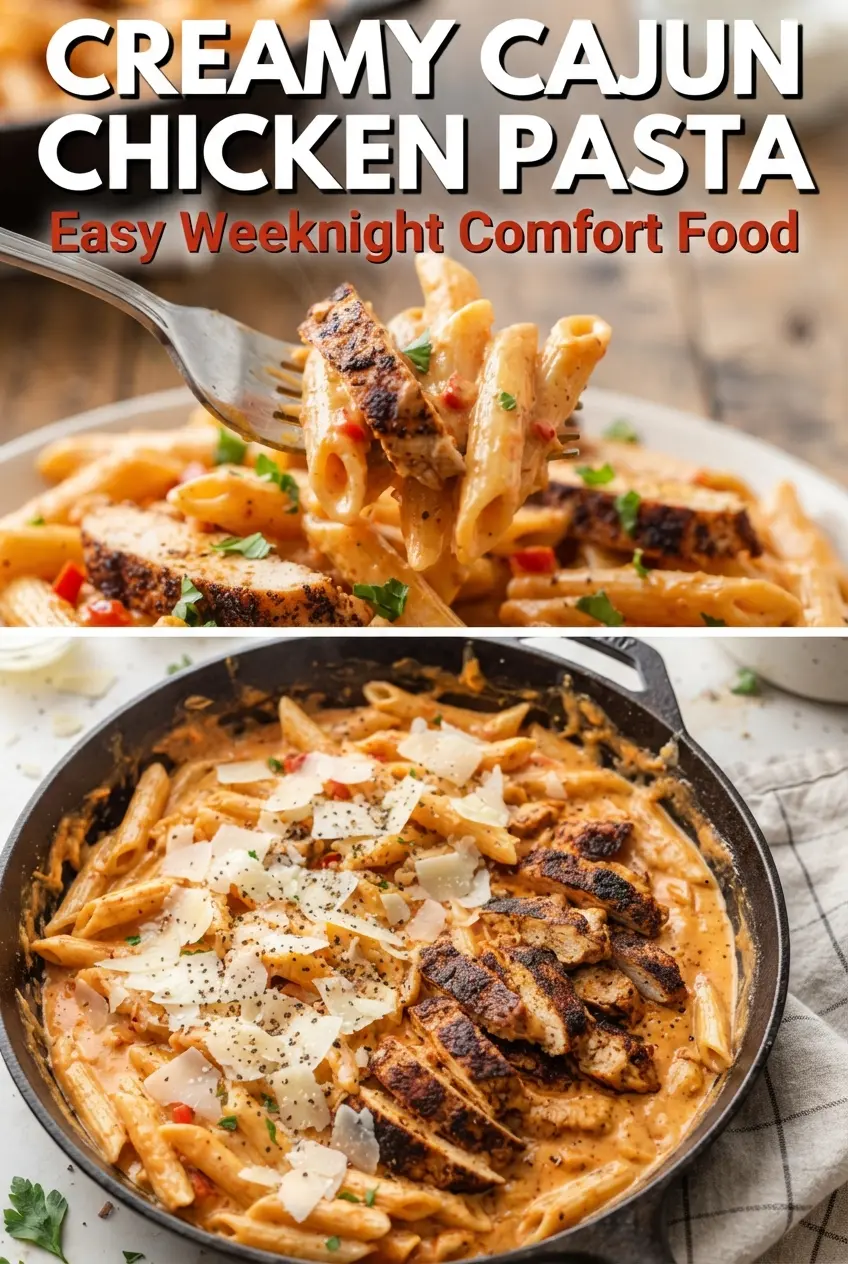
Creamy Cajun Chicken Pasta with Parmesan Cream Sauce
Ingredients
Equipment
Method
- Bring a large pot of salted water to a boil and cook the penne until al dente, about the package time plus 1 minute. Reserve 1/2 cup pasta water, then drain the pasta.
- Pat the chicken dry and rub it all over with 1 1/2 tbsp Cajun seasoning. Let it sit briefly while you heat the pan, about 2 minutes.
- Heat the olive oil in a large skillet over medium-high heat. Sear the chicken for 5–6 minutes per side until deeply browned and 165°F inside.
- Rest the chicken for 5 minutes, then slice it for easy topping.
- Lower the heat to medium and melt the butter in the same skillet. Sauté the diced bell pepper for 3 minutes until softened.
- Add the minced garlic and cook for 30 seconds until fragrant. Stir to prevent browning.
- Pour in the chicken broth and scrape up the browned bits from the pan. Stir for 30 seconds to combine.
- Stir in the heavy cream, 1 1/2 tsp Cajun seasoning, and smoked paprika. Simmer for 4–5 minutes, until the sauce coats the back of a spoon.
- Take the skillet off the heat and stir in the Parmesan until smooth. Use steady stirring to prevent clumping.
- Add the drained penne and toss to coat, loosening with splashes of reserved pasta water if needed. Toss for 1 minute until glossy.
- Top with the sliced chicken, spoon more sauce over, and garnish with parsley. Serve hot.
