
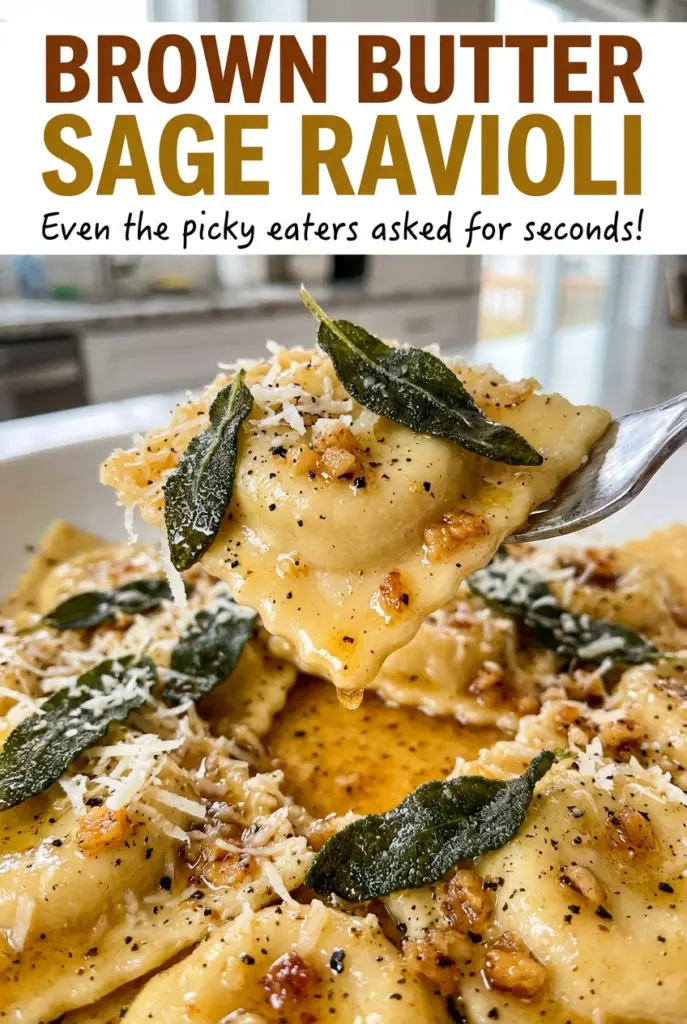
Brown Butter Sage Ravioli
The butter goes from pale and quiet to foamy in a few minutes, and then those tiny milk solids turn golden. I stay close to the skillet at that point;…
Tip: save now, cook later.The butter goes from pale and quiet to foamy in a few minutes, and then those tiny milk solids turn golden. I stay close to the skillet at that point; brown butter can go from nutty to burnt before you’ve had time to set the table. That quick change is what gives this brown butter sage ravioli its deep, toasted flavor.
Cheese ravioli makes the meal hearty without needing a long list of ingredients, while fresh sage brings a savory, woodsy edge to the butter. I save a little pasta water before draining because its starch helps the sauce cling instead of pooling at the bottom of the skillet.
Finish with finely grated Parmesan and black pepper, then bring the ravioli to the table while the sage is crisp at the edges and the sauce still shines. Each bite is buttery, savory, and tender.
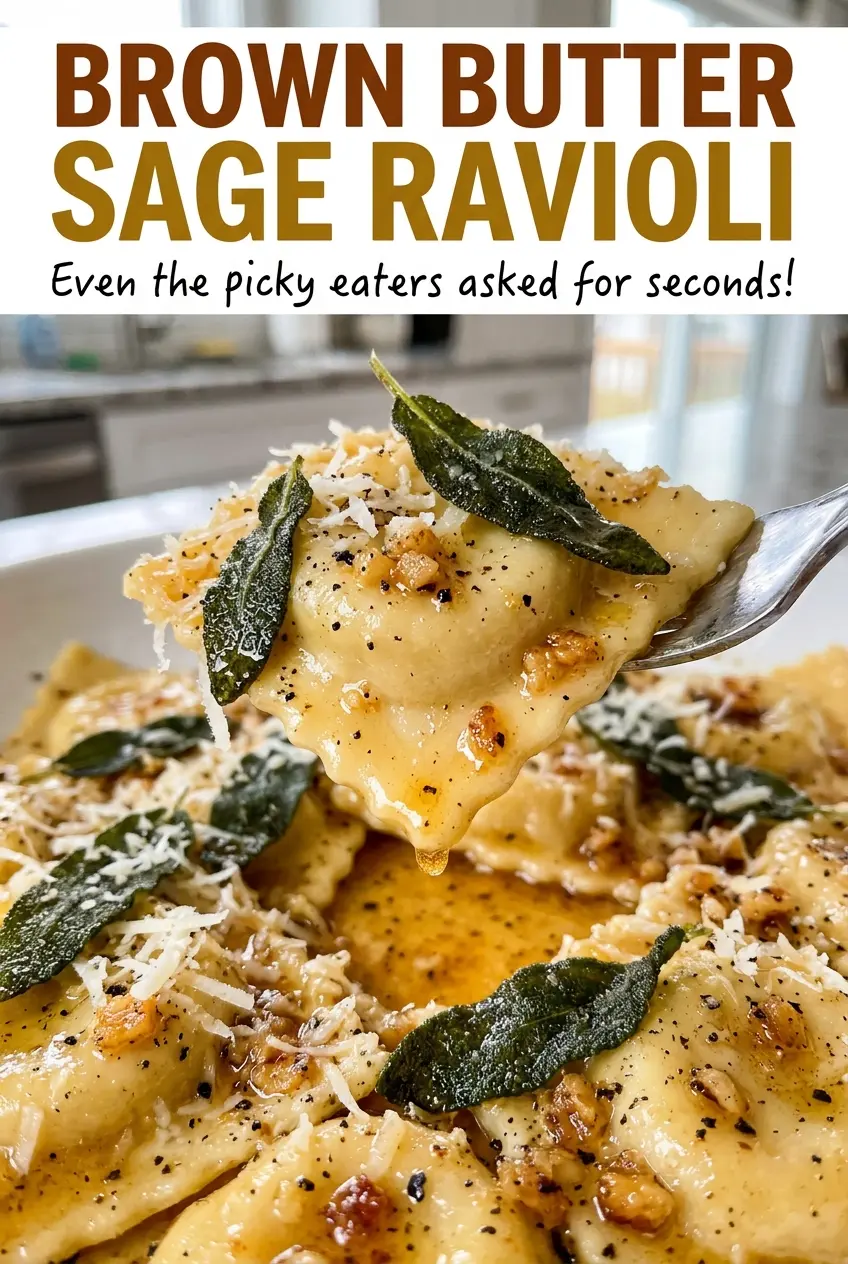
Kitchen Note
I grate the Parmesan before the butter goes into the skillet. Once the sage turns fragrant, the ravioli and pasta water go in quickly, and there’s no pause to hunt for a grater.
Save this brown butter sage ravioli for a fast dinner with crisp sage, tender cheese filling, and a glossy Parmesan finish.
Why Ravioli Needs Pasta Water, Not More Butter
Butter gives the sauce its toasted flavor, but butter alone can leave a slick layer around the ravioli. Pasta water brings a little starch into the skillet, helping the butter cling to the pasta instead of separating into an oily puddle. That matters especially with filled pasta: the cheese centers are already rich, so a sauce that coats lightly tastes more balanced than one that simply adds more fat.
The order of the finish matters, too. Let the ravioli and pasta water meet the brown butter first, then take the skillet off the heat before adding Parmesan. The cheese melts into the warm sauce without being exposed to direct heat, which helps it blend smoothly rather than turning grainy or sticking in clumps.
Think of the sauce as a thin coating, not a deep pool. The butter should still taste nutty, the sage should come through clearly, and the Parmesan should round out the bite without hiding the cheese filling. A quick, gentle toss brings those parts together while keeping the ravioli intact.
What the Ravioli, Sage, and Parmesan Each Bring
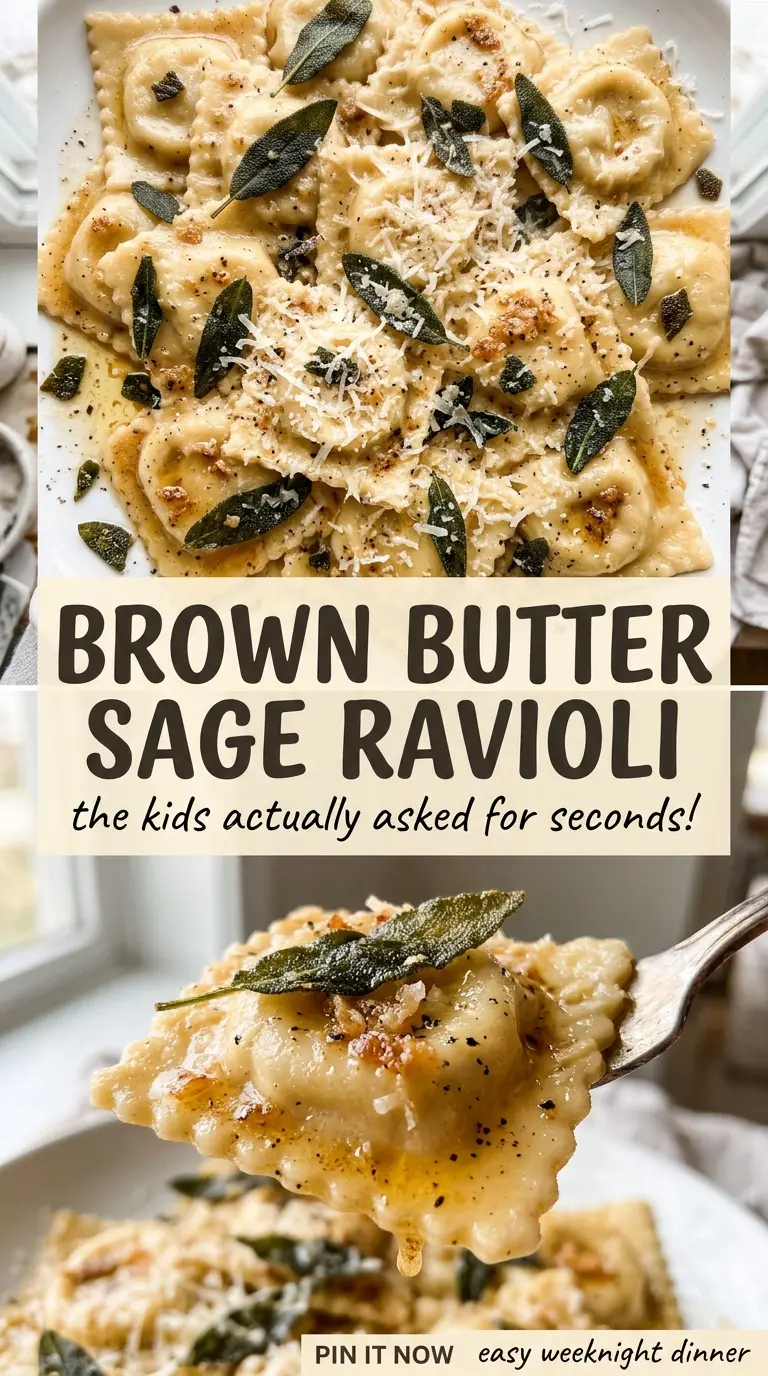
- Refrigerated cheese ravioli — Choose a package with sealed edges and intact pasta; torn seams can let the filling escape as it cooks. The refrigerated kind cooks quickly and keeps this dinner moving. Mushroom or squash-filled ravioli also works with the buttery sage sauce, though each shifts the finished dish toward a more earthy or sweet-savory flavor.
- Unsalted butter — Unsalted butter lets the toasted milk solids and Parmesan stay in balance. If you only have salted butter, use it in place of the unsalted butter; the sauce will taste more seasoned, so taste before adding anything else. Butter is worth buying fresh here, since old butter can carry stale flavors that become more noticeable once browned.
- Fresh sage — Fresh leaves give the sauce its herbal aroma and crisp edges. Dried sage won’t crisp in the same way, so if you can’t find fresh leaves, leave the sage out rather than sprinkling dried sage into the butter; the result will be a simpler brown butter Parmesan sauce.
- Finely grated Parmesan — Fine shreds melt more readily into the warm sauce than thick pieces. A wedge you grate yourself gives a fresh, clean flavor, but packaged finely grated Parmesan is convenient and works here. Finely grated Pecorino Romano can replace it in the same quantity for a sharper, saltier finish.
- Reserved pasta water — Don’t pour it down the drain before setting some aside. The starchy water helps the butter and cheese form a coating, and plain water won’t give the sauce the same body.
Brown the Butter and Finish the Ravioli Without Rushing
Boil the Ravioli Until Just Tender
Bring 4 quarts of water to a boil in a large pot, then stir in the kosher salt. Add the refrigerated ravioli and cook according to the package directions, usually 3 to 5 minutes, until tender. Before draining, scoop out 1/4 cup of the cooking water and keep it nearby. Ravioli can split if it’s handled roughly, so drain it carefully rather than shaking it hard in the colander.
Watch the Butter Change Color
Melt the butter in a 12-inch skillet over medium heat, stirring often. It should take 3 to 5 minutes for the milk solids to turn golden brown and the butter to smell nutty. Look for golden flecks at the bottom of the pan and foam that begins to settle. If the flecks turn dark brown or black, the butter has gone too far and will taste bitter.
Let the Sage Turn Fragrant
Add the fresh sage leaves to the browned butter and cook for 30 to 60 seconds. They’re ready when the aroma rises and the edges look crisp; they’ll keep cooking in the hot butter, so don’t wait for the leaves to become brittle all over. If they darken quickly, lift the skillet from the heat for a moment. You want the sage to taste savory and aromatic, not scorched.
Coat the Ravioli, Then Add the Cheese
Add the drained ravioli and reserved pasta water to the skillet. Toss gently over low heat until the sauce coats the pasta instead of gathering in a puddle beneath it. Remove the skillet from the heat before adding the Parmesan and freshly ground black pepper, then toss to combine. Serve immediately while the sauce is glossy and the sage still has crisp edges.
Easy Ravioli Swaps for a Different Filling or Diet
Try Butternut Squash Ravioli
Use butternut squash ravioli in place of the cheese-filled pasta and keep the sauce the same. The sweet filling contrasts nicely with the browned butter and sage, so the finished dish leans more sweet-savory than the original.
Use Mushroom Ravioli for a Deeper Savory Note
Swap in mushroom ravioli for the cheese ravioli. Its earthy filling pairs naturally with sage, and the sauce stays the same; follow the package cooking time so the pasta is tender without splitting.
Make It Gluten-Free
Replace the wheat-based ravioli with gluten-free cheese ravioli. Cook it according to its package directions and handle it gently, since gluten-free pasta can be more delicate. The butter, sage, Parmesan, and pepper keep the same savory character.
Storage and Reheating
- Refrigerator: Store leftovers in an airtight container for up to 3 days. The sauce will firm up and the ravioli will soften as it sits.
- Freezer: I don’t recommend freezing the finished dish; thawed cooked ravioli tends to turn soft and can split.
- Reheating: Warm leftovers gently in a skillet over low heat with a small splash of water, tossing carefully until heated through. High heat can make the butter separate and the pasta break apart.
Questions That Come Up When Making Brown Butter Ravioli
Brown Butter Sage Ravioli
Ingredients
Equipment
Method
- Bring 4 quarts of water to a boil in a large pot.
- Stir in the salt.
- Add the ravioli and cook according to the package directions, usually 3 to 5 minutes, until tender.
- Reserve 1/4 cup cooking water, then drain the ravioli.
- Melt the butter in a 12-inch skillet over medium heat, stirring often, for 3 to 5 minutes, until the milk solids turn golden brown and the butter smells nutty.
- Add the sage leaves and cook for 30 to 60 seconds, until fragrant and crisp at the edges.
- Add the drained ravioli and reserved pasta water to the skillet.
- Gently toss over low heat until the sauce coats the ravioli.
- Remove the skillet from the heat, add the Parmesan and black pepper, and toss to combine.
- Serve immediately.
