
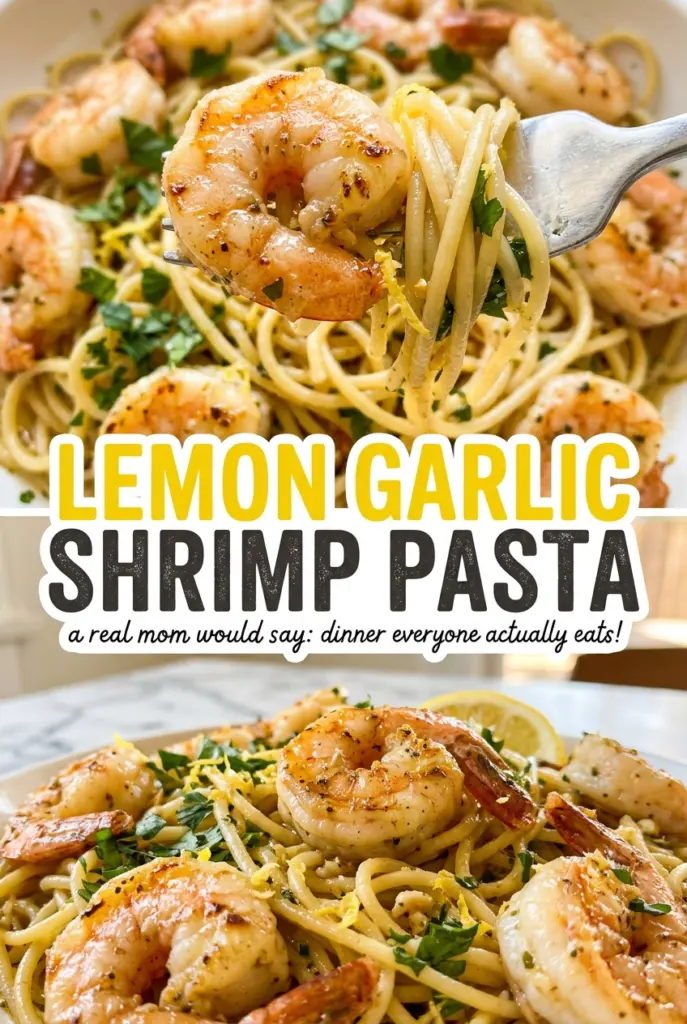
Lemon Garlic Shrimp Pasta
When the linguine comes out of the pot, I always save some of that cloudy pasta water before draining it. It looks like a small detail, but that starchy water…
Tip: save now, cook later.When the linguine comes out of the pot, I always save some of that cloudy pasta water before draining it. It looks like a small detail, but that starchy water is what helps the lemon butter cling to the noodles instead of pooling at the bottom of the skillet. This Lemon Garlic Shrimp Pasta comes together quickly once the pasta is cooked, and the finished sauce is bright and buttery without feeling heavy.
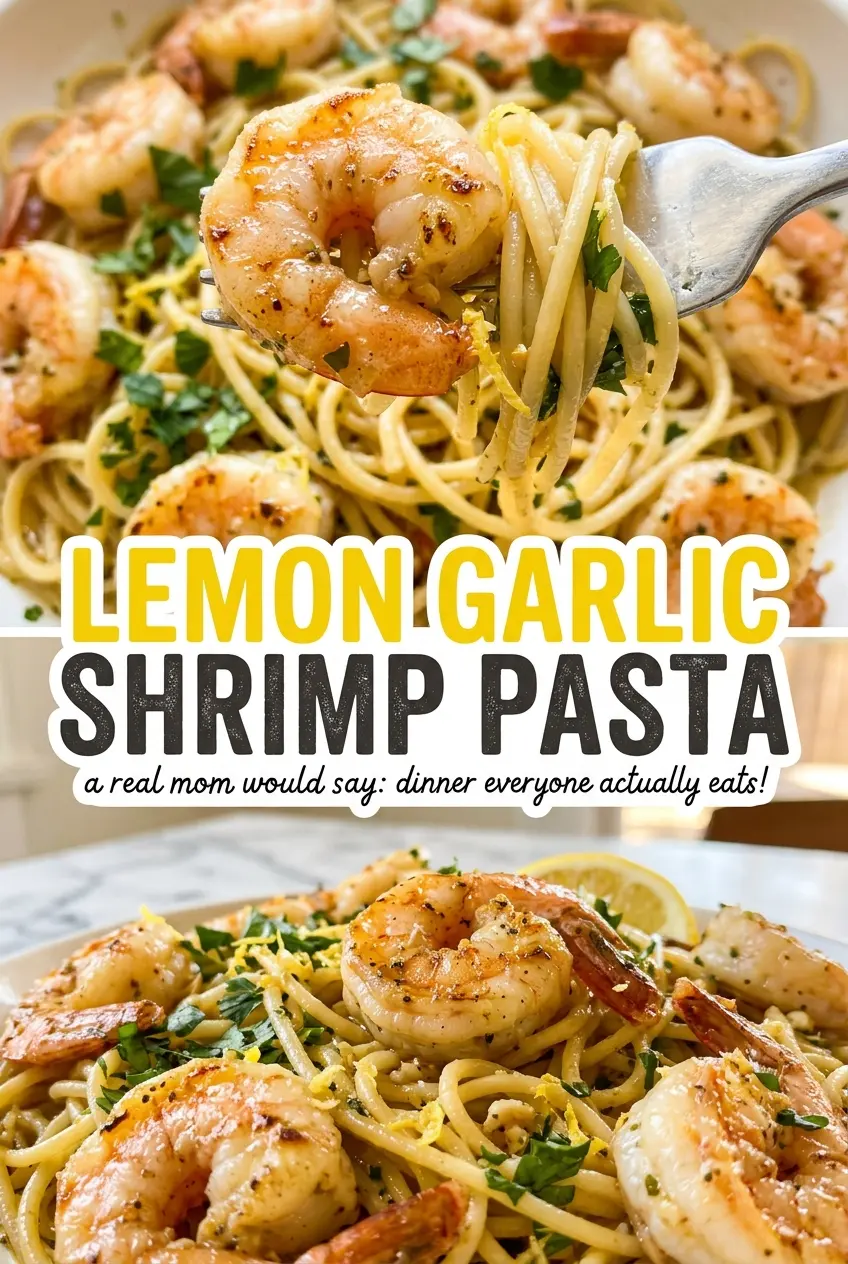
I cook the shrimp separately, then move them out of the skillet while the garlic and butter become the base for the sauce. That gives the shrimp room to cook in a single layer, and it means they can go back in at the end rather than sitting in hot butter while the pasta gets tossed. The lemon juice brings a fresh, sharp edge; the zest makes that citrus flavor linger. With parsley folded through at the finish, every forkful tastes lively and the linguine stays slick with sauce.
Kitchen Note
The garlic needs only about 30 seconds in the butter. Keep it moving and take in the aroma; if it starts to brown, it can turn bitter before the lemon goes in.
Save this Lemon Garlic Shrimp Pasta for a quick, lemony dinner with tender shrimp and buttery linguine.
Why the Shrimp Gets Its Own Turn in the Skillet
Shrimp cook fast, and the difference between tender and chewy can be just a little extra time over the heat. If they stayed in the pan while the butter sauce came together and the pasta was added, they’d keep cooking through every extra minute of tossing. Cooking them first lets me take them off the heat as soon as they turn opaque, then return them only when the linguine is ready to finish.
Drying the shrimp before they hit the skillet matters, too. Moisture on the surface makes it harder for them to cook cleanly in a hot pan, especially when they’re crowded together. Arrange them in one layer in the 12-inch skillet so each shrimp has contact with the pan. If they don’t fit comfortably, cook them in batches rather than piling them up; a crowded skillet traps moisture and makes the shrimp steam. The quick separate cook gives the garlic-lemon butter a chance to come together without overcooking the seafood.
What Makes the Lemon Butter Cling to the Linguine
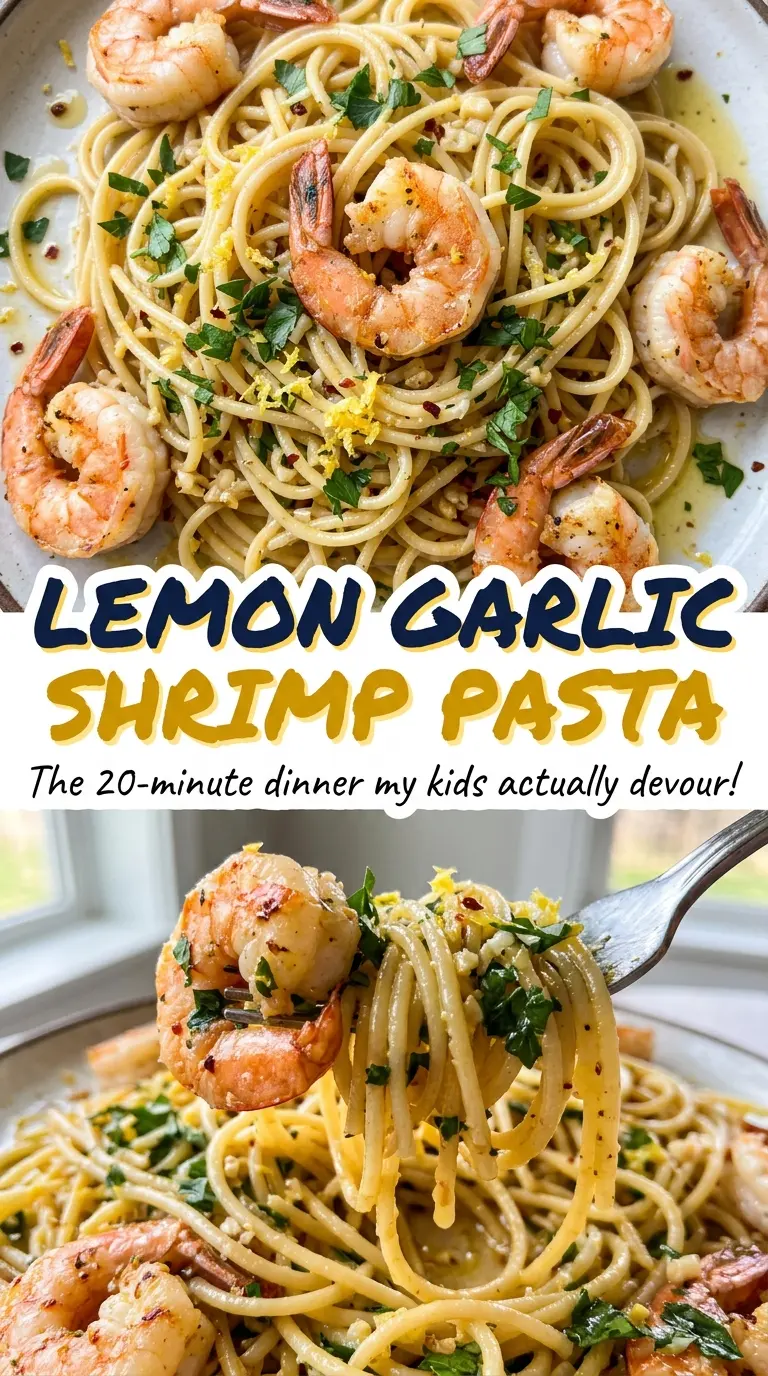
- Linguine — Its broad, flat shape catches the butter sauce well. Spaghetti works if that’s what you have, though the strands won’t feel quite as substantial. Cook either pasta until al dente according to its package directions.
- Large shrimp — Shrimp labeled 21 to 25 per pound are substantial enough to stay juicy through a quick cook. If buying frozen shrimp, thaw them fully and pat them dry before seasoning; excess surface moisture works against a clean cook in the skillet.
- Fresh lemon — Juice gives the sauce its bright acidity, while finely grated zest carries fragrant citrus oils through the butter. A fresh lemon is useful here because bottled juice can’t replace the aroma of the zest.
- Unsalted butter and olive oil — Olive oil cooks the shrimp, while butter gives the sauce its rounded, silky feel. Unsalted butter lets the measured kosher salt season the pasta and shrimp without adding an unpredictable amount of extra salt.
- Fresh parsley — Chopped parsley adds a clean, green note at the end. Add it with the shrimp, rather than cooking it down in the butter, so its fresh flavor stays noticeable.
From Al Dente Linguine to a Glossy Skillet Sauce
Cook the Pasta and Save Its Water
Bring a large pot of water to a boil, add the linguine and 1 tablespoon of kosher salt, and cook until al dente according to the package directions. Before draining, scoop out 1 cup of pasta water and set it aside. That water is easy to forget once you’re ready to drain, so keep a measuring cup near the pot. Drain the linguine and have it ready to toss into the skillet.
Cook the Shrimp Just Until Opaque
Pat the shrimp dry, then season them with the remaining 1/2 teaspoon kosher salt and the black pepper. Heat the olive oil in a 12-inch skillet over medium-high heat and arrange the shrimp in a single layer. Cook for 1 to 2 minutes per side, until opaque, then transfer them to a plate. Don’t wait for them to curl tightly or take on a deep color; opacity is the cue to move them out of the pan.
Simmer the Lemon, Garlic, and Butter
Reduce the heat to medium and add the butter, minced garlic, and red pepper flakes. Stir for about 30 seconds, until fragrant, then add the lemon juice, lemon zest, and 1/2 cup of reserved pasta water. Bring the mixture to a simmer so the butter and starchy water begin to combine. If the garlic starts browning before it smells fragrant, lower the heat rather than letting it darken.
Toss Until the Sauce Coats the Noodles
Add the linguine and toss it through the sauce. If the skillet looks dry or the noodles aren’t getting an even coating, add more reserved pasta water a few tablespoons at a time. Return the shrimp to the skillet with the parsley and toss everything together until combined and heated through. Stop adding water when the linguine looks glossy and the sauce clings to the strands instead of running freely across the pan.
Simple Swaps for a Different Plate of Lemon Garlic Shrimp Pasta
Make it dairy-free with olive oil
Replace the butter with an equal amount of olive oil. The sauce will taste lighter and less rounded, but the lemon, garlic, and pasta water still make a bright coating for the linguine.
Use gluten-free linguine
Choose gluten-free linguine and cook it according to the package directions. Save some of its cooking water, but add it gradually because gluten-free pasta water can thicken differently; the finished sauce may be less cohesive than it is with wheat linguine.
Turn up the red pepper
Add more red pepper flakes to the butter and garlic if you want a warmer finish. The heat builds alongside the lemon, rather than replacing its brightness, so add a little at a time to keep the shrimp and citrus in balance.
Storage and Reheating
- Refrigerator: Refrigerate leftovers within 2 hours and use them within 3 days. The linguine will absorb some sauce as it sits, so it won’t be quite as glossy the next day.
- Freezer: Freezing is possible in an airtight container, but it isn’t my first choice for this dish. Thawed pasta can turn soft and the shrimp can become firm; for the best texture, cook it fresh.
- Reheating: Warm leftovers gently in a skillet over low heat with a small splash of water, stirring just until hot throughout. High heat can make the shrimp tough, so don’t leave the skillet unattended.
Questions That Come Up When Making This Shrimp Pasta
Lemon Garlic Shrimp Pasta
Ingredients
Equipment
Method
- Bring a large pot of water to a boil.
- Add the linguine and 1 tablespoon of the salt, and cook according to the package directions until al dente.
- Reserve 1 cup of pasta water.
- Drain the linguine.
- Pat the shrimp dry and season with the remaining 1/2 teaspoon salt and the black pepper.
- Heat the olive oil in a 12-inch skillet over medium-high heat.
- Cook the shrimp in a single layer for 1 to 2 minutes per side, until opaque, then transfer to a plate.
- Reduce the heat to medium and add the butter, garlic, and red pepper flakes.
- Cook for about 30 seconds, stirring, until fragrant.
- Add the lemon juice, lemon zest, and 1/2 cup of the reserved pasta water, and bring to a simmer.
- Add the linguine and toss to coat, adding more reserved pasta water a few tablespoons at a time if needed.
- Return the shrimp to the skillet and add the parsley.
- Toss until combined and heated through.
