
Southern Salmon Croquettes
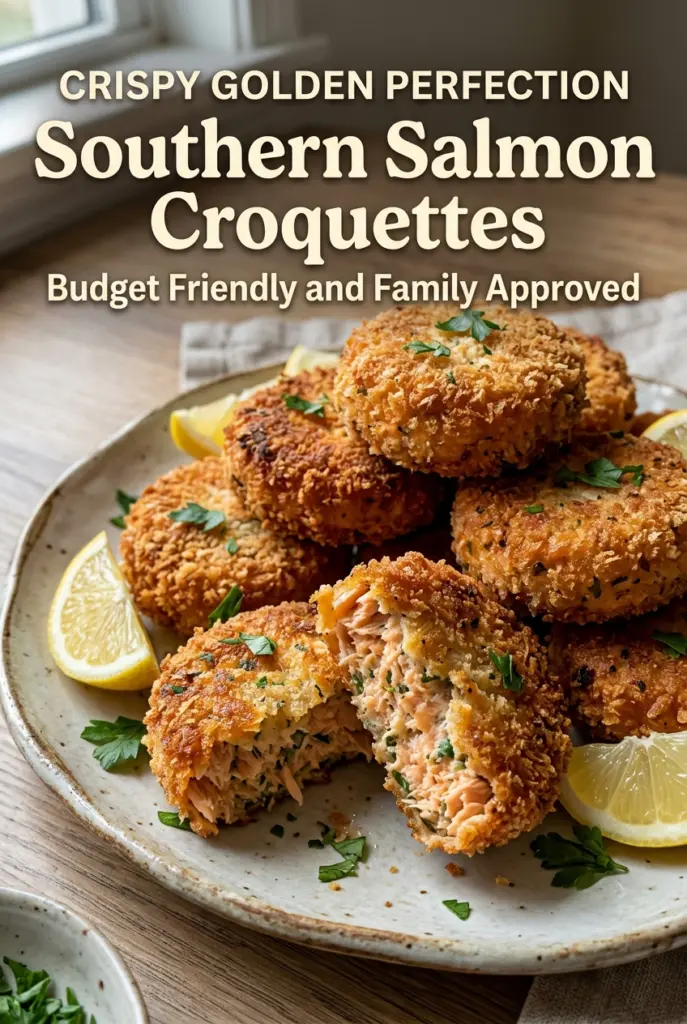
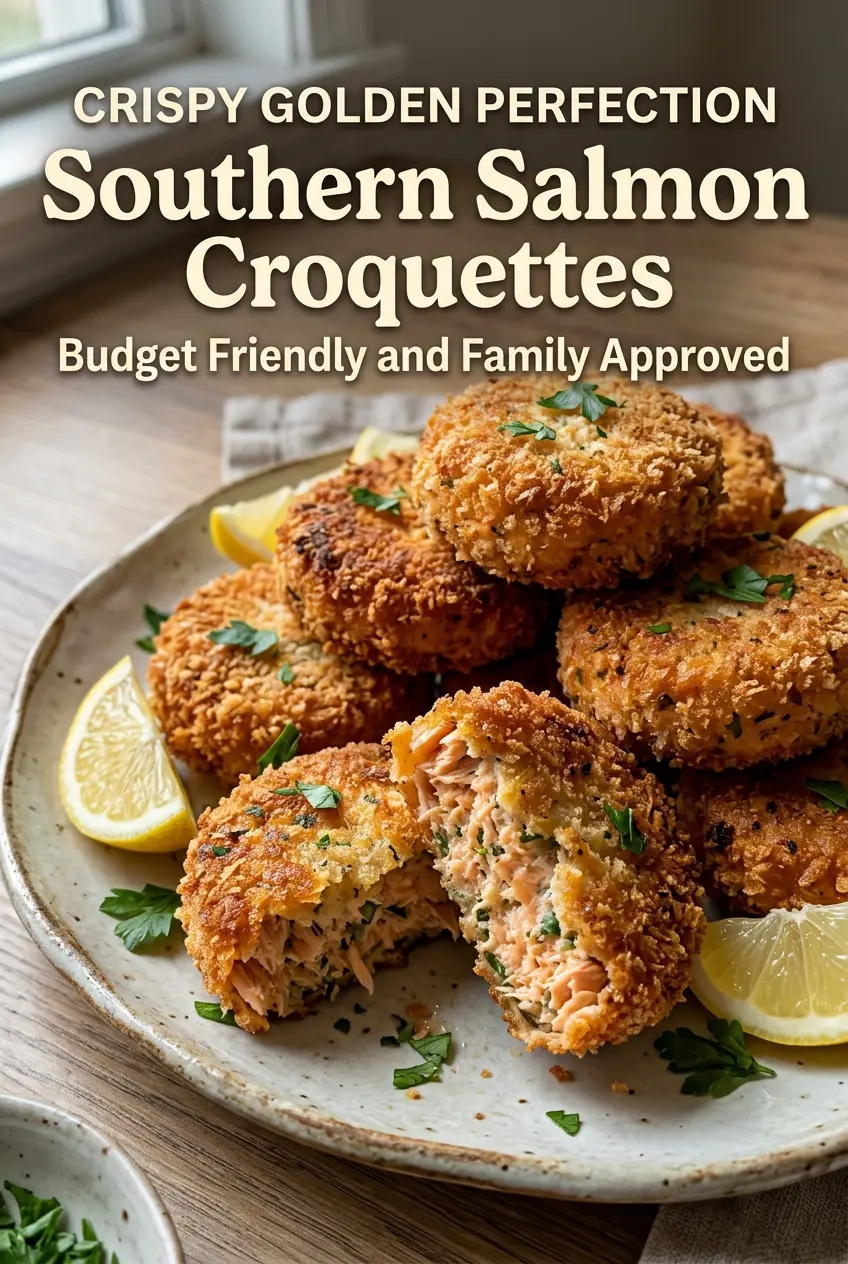
Southern salmon croquettes hit the table with a crisp, bronzed crust and a tender center that flakes apart instead of falling apart. That balance is what keeps them in the…
Tip: save now, cook later.Southern salmon croquettes hit the table with a crisp, bronzed crust and a tender center that flakes apart instead of falling apart. That balance is what keeps them in the regular dinner rotation. They taste like the kind of meal that knows exactly what it’s doing: pantry-friendly, deeply savory, and comforting without being heavy.
The trick is in the mixture. Too little binder and the patties crumble in the pan; too much and they turn dense. The salmon needs to stay a little textured, the vegetables need to be finely diced so they soften fast, and the oil has to be hot enough to set the crust before the croquettes absorb it. A spoonful of mayonnaise helps keep the inside moist, while Dijon and paprika bring a little backbone so the salmon tastes seasoned, not flat.
Below, I’ve laid out the small details that keep these from going mushy, plus a lemon sauce that gives the whole plate a bright finish. If you’ve ever had salmon patties break the second they hit the skillet, the process section will help.
The croquettes held together beautifully and browned up with that crisp edge I’ve been chasing for years. I loved that the center stayed tender instead of dry, and the lemon sauce pushed it over the top.
Save these Southern salmon croquettes for the nights when you want a crisp fried edge, a tender middle, and a lemony finish that wakes up every bite.
The Crust Sets First, So the Inside Has a Chance
Salmon croquettes fail when the pan is too cool. The mixture sits in the oil, soaks it up, and turns pale and greasy before the exterior has a chance to brown. The other common problem is overmixing. Once the salmon is flaked and the binder is evenly distributed, stop stirring. You want a mixture that holds when pressed, not a paste.
These patties work because the vegetables are finely diced and the breadcrumbs are there for structure, not bulk. That means the inside stays soft without collapsing. If the mixture feels loose, let it rest for a few minutes before shaping. The crumbs absorb moisture and the patties become easier to form.
- Drain the salmon well — excess liquid is the fastest way to end up with patties that crack in the skillet.
- Use fine breadcrumbs — they hold the mixture together without making the croquettes bready.
- Keep the onion and bell pepper small — big chunks create weak spots and keep the patties from packing tightly.
What Each Ingredient Is Actually Doing in This Dish

- Pink salmon — Canned pink salmon gives you the right balance of flavor, moisture, and affordability. It flakes into the mixture without needing extra cooking. If you want to use red salmon, it works too, but the flavor is stronger and the texture is a little firmer.
- Eggs — These are the main binder. Two large eggs are enough to hold the patties together without turning them rubbery. If your eggs are small, the mixture may need an extra spoonful of breadcrumbs to firm up.
- Mayonnaise — This keeps the inside moist and adds richness that plain salmon alone doesn’t have. Sour cream can work in a pinch, but mayo gives a cleaner, more stable result in the skillet.
- Dijon mustard and paprika — Dijon sharpens the flavor and paprika rounds it out with a little warmth. Don’t skip both, or the croquettes taste flat against the fried crust.
- Breadcrumbs — They absorb moisture and help the patties set. Panko is fine if you crush it lightly first, but standard fine breadcrumbs make the tightest croquettes.
- Parsley, onion, and bell pepper — These give the croquettes freshness and that classic Southern savory base. Chop them finely so they soften quickly and blend into the mixture instead of breaking it apart.
Frying Them So They Brown Before They Soak Up Oil
Mix the base without overworking it
Flake the salmon in a wide bowl, then add the eggs, mayonnaise, mustard, seasonings, herbs, onion, bell pepper, and breadcrumbs. Stir just until everything looks evenly combined and the mixture can be pressed together. If you mash it into a smooth paste, the croquettes turn dense and lose that tender bite.
Shape firm patties and let them sit
Form the mixture into eight compact croquettes with your hands. Press them enough to hold, but don’t squeeze all the air out. If the mixture feels sticky, let it rest for five minutes before shaping again; the breadcrumbs will absorb some moisture and make the patties easier to handle.
Get the oil ready before the patties go in
Heat the oil in a large skillet over medium heat until it shimmers. If a tiny pinch of the mixture sizzles right away, you’re in the right range. Too cool, and the croquettes drink in oil; too hot, and they brown before the center is heated through.
Cook until the crust releases cleanly
Lay the croquettes in the pan and leave them alone for a few minutes. They should develop a deep golden crust before you try to turn them. If they stick, they’re not ready yet. Once they release easily, flip them and cook the other side until the edges are crisp and the centers feel hot all the way through.
Three Ways to Make These Croquettes Fit the Night You’re Having
Gluten-Free Croquettes
Swap the breadcrumbs for certified gluten-free breadcrumbs or crushed gluten-free crackers. The structure stays close to the original, but cracker crumbs can make the exterior a little more delicate, so handle the patties gently when you flip them.
Dairy-Free Without Losing Moisture
This recipe is already dairy-free as written, which is part of why it works so well for a quick pantry meal. If you serve the lemon sauce, use a dairy-free mayonnaise and the result stays creamy and bright without changing the texture of the croquettes themselves.
Oven-Baked Instead of Fried
Brush the patties lightly with oil and bake them on a well-greased sheet pan at 425°F until browned on the bottom, then flip and finish on the second side. They won’t get quite as crisp as skillet-fried croquettes, but they’ll still set up with a good crust and less hands-on time.
Make Them a Little Brighter
Add a teaspoon of lemon zest or a pinch of cayenne to the mixture if you want more lift. Lemon makes the salmon taste cleaner, while cayenne adds warmth without changing the basic Southern-style character of the dish.
Storage and Reheating
- Refrigerator: Store leftovers in an airtight container for up to 3 days. The crust softens, but the flavor holds well.
- Freezer: Freeze cooked croquettes on a sheet pan first, then move them to a freezer bag for up to 2 months. They reheat better from frozen if you keep them in a single layer while warming.
- Reheating: Warm them in a skillet over medium-low heat or in a 375°F oven until hot through. The mistake people make is microwaving them until the coating turns soggy and the center dries out.
Answers to the Questions Worth Asking
Southern Salmon Croquettes
Ingredients
Equipment
Method
- Drain the pink salmon and remove any large bones if desired.
- Place the salmon in a large mixing bowl and flake with a fork.
- Add the large eggs, finely diced onion, finely diced bell pepper, breadcrumbs, mayonnaise, Dijon mustard, garlic powder, paprika, salt, black pepper, and chopped parsley.
- Mix until fully combined, then shape the mixture into 8 croquettes.
- Heat the vegetable oil in a large cast iron skillet over medium heat.
- Cook the croquettes for 4–5 minutes per side until golden brown and crispy.
- Transfer the croquettes to a paper towel-lined plate to drain excess oil.
- Mix the optional lemon sauce ingredients by stirring together mayonnaise, lemon juice, and Dijon mustard until smooth.
- Serve the croquettes warm with lemon wedges and the sauce.
