
Pumpkin Spice Latte Cake
Pumpkin spice latte cake tastes like the drink everyone lines up for, only richer, softer, and a lot more satisfying once it’s on a plate. The cake itself stays plush…
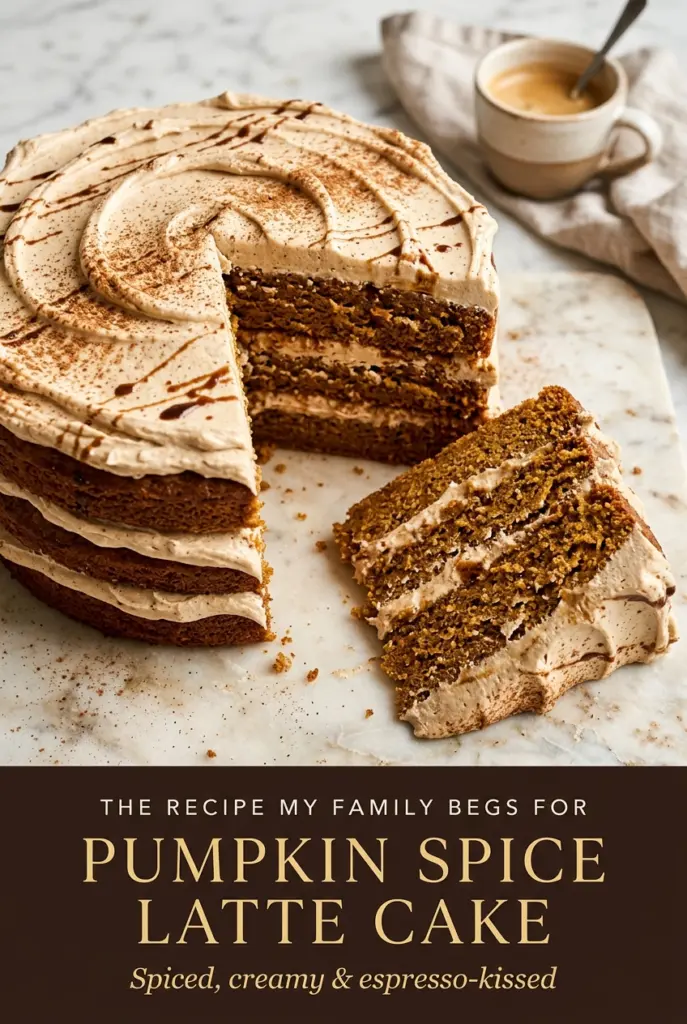
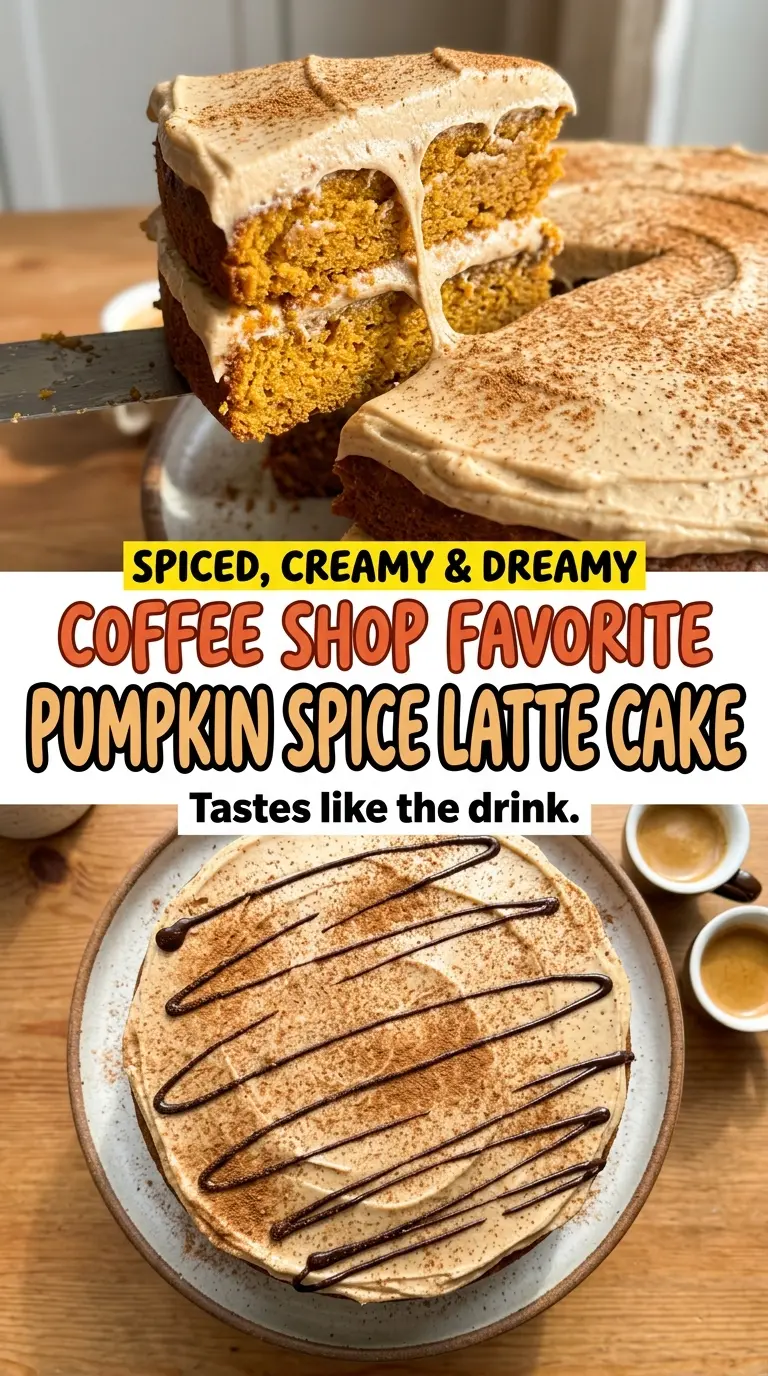
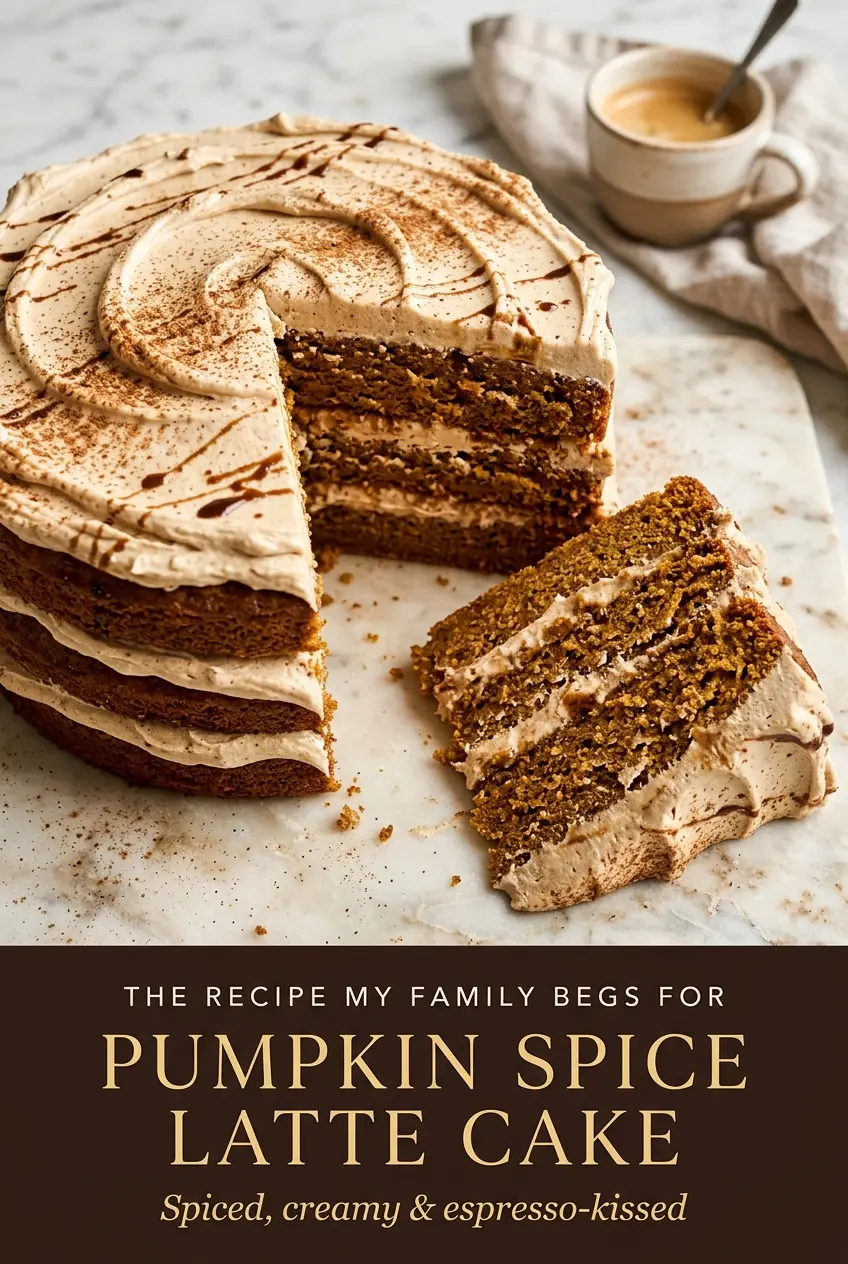
Tip: save now, cook later.Pumpkin spice latte cake tastes like the drink everyone lines up for, only richer, softer, and a lot more satisfying once it’s on a plate. The cake itself stays plush and tender from pumpkin and oil, while the espresso keeps the sweetness from drifting too far into pumpkin-pie territory. Then the frosting brings in brown sugar and coffee so every bite lands somewhere between bakery cake and your favorite café order.
What makes this version work is balance. Pumpkin puree adds moisture, but it also needs enough structure from flour and eggs to keep the crumb from turning heavy. The espresso goes into both the batter and the frosting, which gives the cake a clear coffee note without making it taste bitter or muddy. Brown sugar softens the edges and makes the frosting taste warmer than a standard buttercream.
Below, you’ll find the little details that matter most, from how to mix the batter without tightening it up to why the frosting needs to be beaten until it looks smooth and billowy. There’s also a few easy ways to adapt it if you want a different pan shape or need a dairy-free version.
The cake stayed unbelievably moist for three days, and the coffee frosting set up perfectly without getting greasy. I loved that the espresso drizzle kept each slice tasting like a real latte instead of just pumpkin cake.
Save this pumpkin spice latte cake for the days when you want a coffee-shop dessert with moist layers and a brown sugar frosting that tastes like the season in one slice.
The Trick to Keeping Pumpkin Cake Light Instead of Dense
Pumpkin cake goes heavy fast when the batter gets overworked or the pan is filled too early and left sitting around. Once the flour hits the wet ingredients, stir only until the dry streaks disappear. The batter should look thick and smooth, not whipped. That restraint keeps the crumb tender instead of bouncy and tough.
The other thing that matters here is moisture control. Pumpkin puree brings a lot of water, so oil works better than butter in the cake layer because it stays soft after baking instead of setting up firm and dry. The espresso is small on purpose. It sharpens the spice and deepens the pumpkin without turning this into a coffee cake that forgot what it wanted to be.
- Pumpkin puree — Use plain canned pumpkin, not pumpkin pie filling. Pie filling is already sweetened and spiced, which throws off both texture and flavor.
- Vegetable oil — This keeps the crumb moist for days. Melted coconut oil can work if you want a swap, but it should be fully liquid and not hot when it goes in.
- Espresso — Brew it strong and let it cool before adding it. Hot coffee can start cooking the eggs and make the batter grainy.
- Brown sugar — It adds a deeper molasses note that plays well with pumpkin and coffee. Light or dark brown sugar both work, though dark brown sugar gives the frosting a richer finish.
What Each Ingredient Is Doing in the Cake and Frosting
- Flour, baking soda, and baking powder — The flour gives the cake its frame, while both leaveners keep it from baking up flat and tight. If your cake ever sinks in the middle, the usual culprit is overmixing or an oven that runs cool, not the leaveners themselves.
- Cinnamon, nutmeg, and cloves — This spice trio gives the cake its latte-shop backbone. Fresh spices matter more here than in a strongly flavored chocolate cake, because they’re doing a lot of the aromatic work.
- Pumpkin puree — This is the moisture and structure builder all at once. If it looks watery when you open the can, stir it well before measuring so the cake batter stays consistent from batch to batch.
- Butter and powdered sugar — Butter gives the frosting body, while powdered sugar gives it volume and sweetness. If you cut the sugar too far, the frosting turns loose and won’t hold between the layers.
- Brown sugar in the frosting — This is what makes the frosting taste less one-note and more like a coffee drink with depth. It also adds a faint graininess at first, so keep beating until it dissolves and the frosting turns creamy.
Building the Batter and Frosting Without Breaking the Texture
Mix the dry ingredients first
Whisk the flour, baking soda, baking powder, spices, and salt together until the color looks even and there are no cinnamon streaks. That step sounds basic, but it keeps the leavening and spices from clumping in one bite. If you skip a thorough whisk here, one slice can taste spicier than the next and the rise can turn uneven.
Bring the wet ingredients together gently
Whisk the pumpkin puree, sugars, oil, eggs, espresso, and vanilla until the mixture looks smooth and glossy. The sugars should start dissolving into the pumpkin, and the eggs should disappear completely. Don’t beat in extra air here. Too much whipping makes the cake more fragile instead of lighter.
Stop mixing as soon as the flour disappears
Pour the dry ingredients into the wet and stir just until no flour remains. A few small lumps are fine; overmixing is what makes pumpkin cake turn dense and rubbery. Divide the batter right away so the leaveners start working in the oven, not while the bowl sits on the counter.
Beat the frosting until the brown sugar softens
Start with the butter on its own until it looks pale and fluffy, then add the powdered sugar, espresso, brown sugar, vanilla, and salt. Keep beating until the frosting loosens slightly and turns silky. If you still feel gritty sugar between your fingers, it needs more mixing time. That’s the difference between a frosting that spreads cleanly and one that tears the cake apart.
Make it as a sheet cake instead of layers
Bake the batter in a 9×13-inch pan and start checking a few minutes earlier than the layer cakes. You’ll get a simpler dessert with more frosting in every square and no stacking required, which is useful when you want clean serving and less fuss.
Use decaf espresso for a gentler coffee note
Decaf espresso keeps the latte flavor in place without the caffeine kick. The taste stays rounded and café-like, and the cake still gets that subtle bitter edge that keeps the pumpkin from tasting flat.
Swap in a dairy-free frosting
Use a plant-based butter with a firm texture and keep the espresso cooled before adding it. The frosting will be a little softer than a classic buttercream, but it still spreads well and carries the same coffee-brown sugar flavor.
Store the frosted cake the right way
- Refrigerator: Keep covered for up to 4 days. The frosting firms up in the fridge, so slices taste best after sitting at room temperature for 20 to 30 minutes.
- Freezer: The unfrosted cake layers freeze well for up to 2 months. Wrap them tightly in plastic and foil, then thaw before frosting for the cleanest texture.
- Reheating: This cake is better brought back to room temperature than warmed. If you heat it, do it very briefly and only for a few seconds per slice, or the frosting will melt and slide.
Answers to the Questions Worth Asking
Pumpkin Spice Latte Cake
Ingredients
Equipment
Method
- Preheat the oven to 350°F and grease two 9-inch round cake pans, lining the bottoms with parchment paper.
- In a large bowl, whisk together the all-purpose flour, baking soda, baking powder, ground cinnamon, ground nutmeg, ground cloves, and salt.
- In a separate bowl, whisk together the pumpkin puree, granulated sugar, brown sugar, vegetable oil, large eggs, brewed espresso (cooled), and vanilla extract until smooth.
- Pour the wet ingredients into the dry ingredients and stir gently until just combined; do not overmix.
- Divide the batter evenly between the prepared cake pans and smooth the tops.
- Bake for 28-32 minutes, until a toothpick inserted into the center comes out clean.
- Let cool in the pans for 10 minutes, then transfer to a wire rack to cool completely.
- Beat the unsalted butter until light and fluffy.
- Gradually add the powdered sugar, brewed espresso (cooled), brown sugar, vanilla extract, and salt, beating until smooth and creamy.
- Spread frosting between the cake layers, then frost the top and sides.
- Dust with ground cinnamon and drizzle with the espresso before slicing.
