
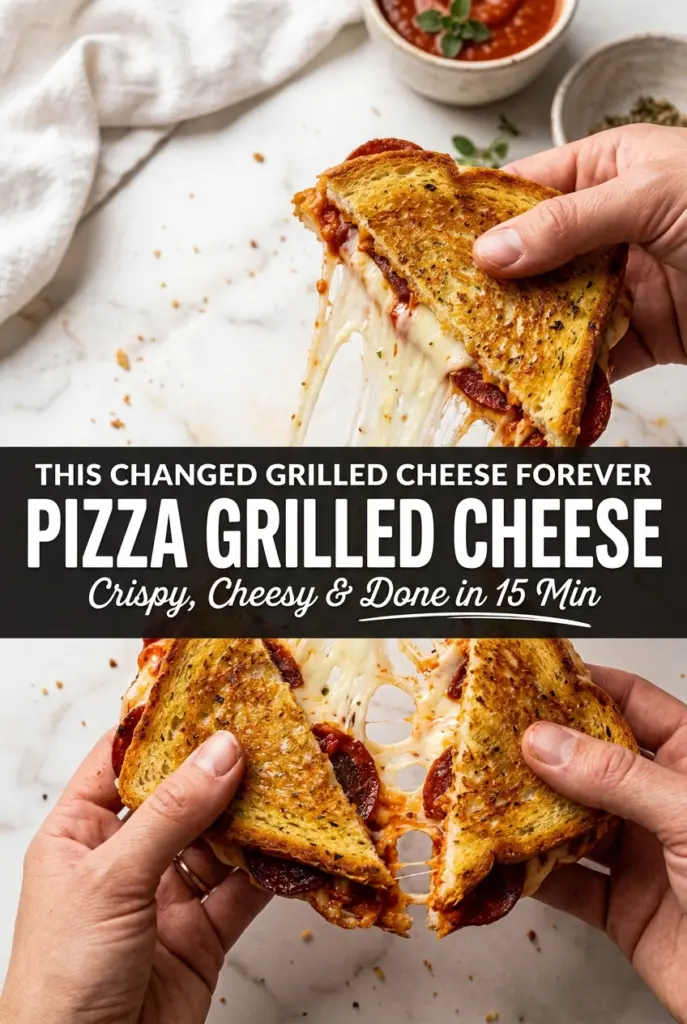
Pizza Grilled Cheese
Pizza Grilled Cheese delivers the kind of crunch-and-cheese payoff that makes a lunch feel like a treat instead of a compromise. The bread turns deep golden and crisp while the…
Tip: save now, cook later.Pizza Grilled Cheese delivers the kind of crunch-and-cheese payoff that makes a lunch feel like a treat instead of a compromise. The bread turns deep golden and crisp while the center stays stretchy, saucy, and packed with pepperoni, so every bite tastes like a grilled cheese with a pizza parlor attitude.
The trick is treating it like two jobs at once: building enough structure for the bread to brown properly, and giving the cheese time to melt before the outside overcooks. Starting in a cold skillet and keeping the heat at medium-low sounds backwards, but it works because low, steady heat gives the mozzarella time to soften all the way through while the buttered bread slowly develops that even crust.
Below, I’ll walk through the order that keeps the sandwich from sliding apart, plus the little timing detail that gives you a cleaner cheese pull when you cut it.
The bread turned perfectly crisp and the cheese melted all the way through without the outside burning. I used sourdough, and the pepperoni got a little curled and crispy at the edges, which was the best part.
Craving that crispy, stretchy Pizza Grilled Cheese? Save it to Pinterest for the next time lunch needs to taste like pepperoni pizza and grilled cheese in one skillet.
The Cold Skillet Trick That Keeps the Bread Crisp and the Cheese Melted
Most grilled cheese sandwiches fail for one of two reasons: the bread browns before the filling softens, or the filling gets hot before the bread has any real color. Pizza Grilled Cheese needs both layers to work at the same pace, which is why starting in a cold skillet matters here. The bread begins warming gradually, the butter has time to render into an even crust, and the mozzarella gets a head start on melting instead of waiting for the outside to scorch.
The other thing people miss is the sauce. Too much marinara turns the bread soggy fast, especially if it sits right against the skillet side. A thin, even layer keeps the sandwich tasting like pizza without flooding the bread. The cheese also needs to be packed in enough to hold the pepperoni in place, because a skimpy layer lets the filling slide out when you flip it.
What Each Ingredient Is Actually Doing in This Sandwich
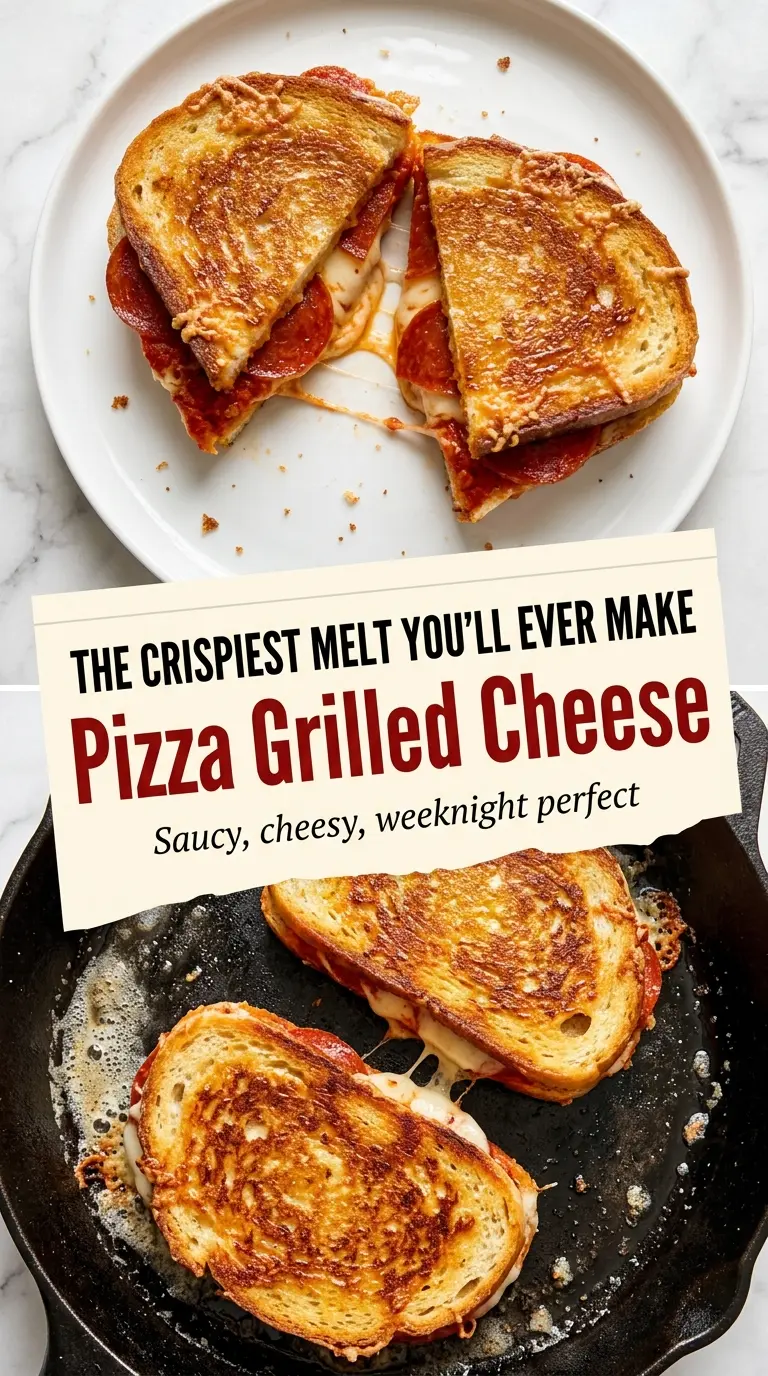
The bread does more than hold everything together. Thick white sandwich bread gives you a soft, sturdy interior and a crust that browns evenly, while sourdough brings a little tang and holds up especially well if you like a firmer bite. Thin sandwich bread tends to collapse once the sauce and cheese go in, so keep this one on the thicker side.
- Low-moisture mozzarella — This is the cheese that gives you the stretch. Fresh mozzarella carries too much water for this sandwich and can make the center slippery, so stick with the low-moisture kind if you want a clean melt.
- Marinara or pizza sauce — Use a thicker sauce here. A thin, watery sauce steams the bread from the inside and makes the sandwich fall apart faster.
- Pepperoni — The pepperoni adds salt, spice, and that little bit of crisp edge when it warms in the cheese. If you use very thin pepperoni, it can dry out before the bread is done, so standard slices hold up best.
- Butter plus seasoning — Softened butter spreads all the way to the edges, which is what gives you even browning. Mixing in the garlic powder and Italian seasoning keeps the crust from tasting flat.
- Parmesan — A small handful sharpens the filling and helps the top layer taste more like pizza, not just melted cheese. Finely grated Parmesan melts into the mozzarella better than big shavings.
Building the Sandwich So the Fillings Stay Put
Season the Butter First
Mix the garlic powder and Italian seasoning into the softened butter before it hits the bread. That gives the crust more flavor than sprinkling the seasoning inside the sandwich, where it can disappear into the sauce. Spread it all the way to the edges so the corners brown at the same speed as the center.
Start Cold, Then Go Low
Lay the bread in a cold skillet with the buttered side down, then turn the heat to medium-low. If you start with a hot pan, the bread catches too quickly and the cheese stays firm in the middle. You want a slow, even sizzle, not aggressive browning.
Layer the Cheese Like a Barrier
Spread the marinara on the unbuttered side, keeping a small border clear at the edges. Put half the mozzarella down first, then the pepperoni, then the rest of the mozzarella, followed by Parmesan. That cheese-on-both-sides approach keeps the pepperoni trapped in place and helps the sandwich fuse together instead of slipping around inside the bread.
Flip Only After the Crust Sets
Cook the first side until it’s deep golden and the bread releases cleanly from the pan. Press gently with a spatula to help the layers bond, but don’t flatten it hard or the filling will squeeze out. Flip once, cook the second side to the same color, and let it rest for a minute before slicing so the cheese settles instead of pouring out.
How to Adapt Pizza Grilled Cheese for Different Cravings
Gluten-Free Bread That Can Still Crisp
Use a sturdy gluten-free sandwich bread with a tight crumb and toast-friendly structure. Softer gluten-free loaves can fall apart once the sauce goes in, so choose one that can handle a slow skillet cook and don’t overload it with marinara.
Vegetarian Pizza Grilled Cheese
Skip the pepperoni and add sliced olives, bell peppers, or sautéed mushrooms that have been cooked off until they’re no longer wet. The sandwich stays satisfying, but you’ll get a softer, more vegetable-forward center instead of the salty chew from pepperoni.
Extra-Spicy Version
Add red pepper flakes to the sauce or tuck a few banana pepper slices inside with the pepperoni. That gives the sandwich a sharper finish without changing the structure, and the heat plays especially well against the buttery crust.
Storage and Reheating
- Refrigerator: Store leftovers for up to 2 days. The bread softens a bit as it sits, but it still reheats well.
- Freezer: Not ideal. The bread loses its crisp texture after freezing, and the sauce can make the sandwich soggy when thawed.
- Reheating: Reheat in a skillet over medium-low heat until the bread crisps back up and the center is hot. The biggest mistake is using the microwave, which melts the cheese unevenly and turns the crust limp.
Questions I Get Asked About This Recipe
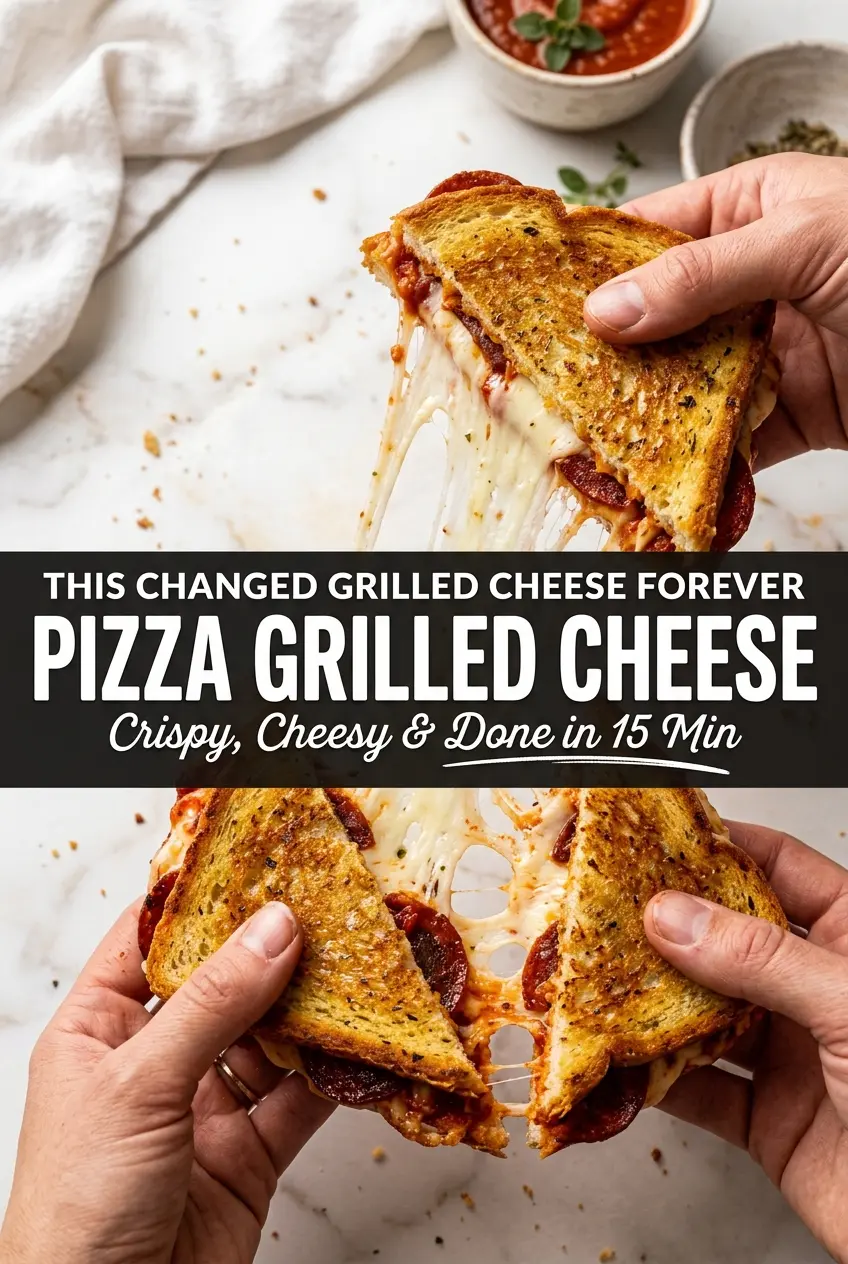
Pizza Grilled Cheese
Ingredients
Equipment
Method
- Spread the softened butter evenly on one side of each bread slice, reaching all the way to the edges for even browning.
- Mix the garlic powder and Italian seasoning into the butter on 2 of the slices so they are your seasoned outsides.
- Place the bread in a cold skillet with the buttered side down, then turn the heat to medium-low to help the cheese melt before the bread browns.
- On the top (unbuttered) side of each bread slice, spread 2 tbsp marinara, leaving a small border.
- Layer half the mozzarella on one slice, then layer the pepperoni on top, then add the remaining mozzarella, and finish by sprinkling Parmesan.
- Add optional add-ins if using: scatter black olives and green bell pepper over the mozzarella/pepperoni layer, and add red pepper flakes to taste.
- Place the second bread slice on top with the buttered/seasoned side facing out.
- Cook for 3–4 minutes until the bottom is deep golden brown, then use a spatula to press down gently to help the cheese bond to the bread.
- Carefully flip and cook another 3–4 minutes until the second side is equally golden and the cheese is fully melted.
- Remove from the skillet and let rest for 1 minute before cutting so the cheese doesn’t slide out.
- Slice diagonally and serve immediately with extra marinara for dipping.
