
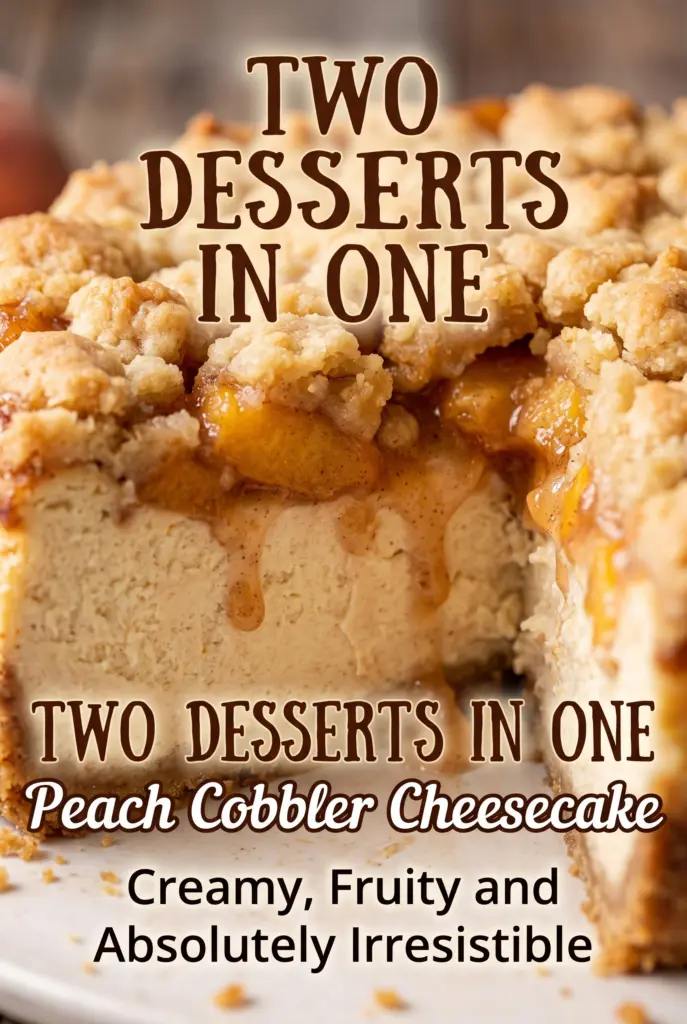
Peach Cobbler Cheesecake
Peach Cobbler Cheesecake gives you the best part of two desserts in one slice: a creamy, tangy cheesecake base, a layer of cinnamon-scented peaches, and a buttery cobbler topping that…
Tip: save now, cook later.Peach Cobbler Cheesecake gives you the best part of two desserts in one slice: a creamy, tangy cheesecake base, a layer of cinnamon-scented peaches, and a buttery cobbler topping that bakes into golden crumbs instead of sinking into the filling. The texture is what makes it memorable. You get a clean cheesecake slice with a soft fruit layer and just enough crunch on top to keep every bite interesting.
The balance matters here. Fresh peaches bring a brighter flavor and firmer texture than canned fruit, while sour cream keeps the filling from tasting heavy. The peach layer is thickened with cornstarch before it goes into the oven, which helps prevent extra juice from seeping into the cheesecake and making the center loose. A pre-baked crust also gives the whole dessert a sturdier base, so the slices hold together after chilling.
Below, I’ve included the technique details that matter most, plus a few smart swaps if your peaches are a little less sweet or you need to adjust for what’s in your kitchen.
The peaches stayed juicy without turning the cheesecake watery, and the cobbler topping baked up crisp instead of soggy. I chilled it overnight and the slices came out clean the next day.
Save this Peach Cobbler Cheesecake for the dessert table days when you want creamy cheesecake, warm peach filling, and a buttery crumble in one pan.
The Reason the Peach Layer Stays Distinct Instead of Sinking In
The biggest mistake with fruit-topped cheesecake is treating the fruit like a garnish. Juicy peaches need structure. Tossing them with brown sugar, cinnamon, cornstarch, and lemon juice does two things: it draws out flavor and lightly thickens the juices before they hit the oven. That means the peach layer sits on the cheesecake instead of melting into it.
The other part that matters is baking order. The crust gets a quick bake first, which dries it out just enough to hold up under the filling. Then the cheesecake bakes low and slow so the center sets without puffing hard or cracking open. If your oven runs hot, the edges can set too fast and the middle can still wobble; that’s normal. You want a slight jiggle in the center, not a wet slosh.
What Each Ingredient Is Actually Doing in This Dessert

- Cream cheese — This is the backbone of the filling, so use full-fat blocks and let them soften completely. Cold cream cheese leaves lumps that never beat out later.
- Sour cream — It adds tang and keeps the texture from turning dense. If you need a swap, plain full-fat Greek yogurt works, though the cheesecake will taste a little brighter.
- Fresh peaches — Fresh fruit holds its shape better and gives you cleaner slices. If peaches are soft and extra juicy, peel and dice them, then let them sit in the sugar mixture for only a few minutes so they don’t flood the pan.
- Cornstarch — This is what keeps the peach layer from running. Flour won’t thicken the fruit as cleanly here, and it can muddy the filling.
- Brown sugar — Use it in the peach layer and topping for a deeper, caramel note. White sugar works in the cheesecake, but brown sugar would make the filling taste heavier than it should.
- Cold butter — For the cobbler topping, cold butter is nonnegotiable. It creates that crumbly texture instead of a paste.
Building the Layers So the Cheesecake Bakes Cleanly
The Crust That Won’t Turn Soggy
Mix the graham cracker crumbs with sugar and melted butter until every crumb looks evenly moistened, then press the mixture firmly into the springform pan. The crust should look compact and slightly damp, not sandy. Bake it for 10 minutes and let it cool while you work on the filling. If you skip the pre-bake, the crust can soften under the fruit and lose its edge by the time the cheesecake chills.
The Filling That Stays Smooth
Beat the cream cheese first until it looks completely smooth and glossy, then add the sugar. That order matters because sugar won’t fix lumps that were already in the cream cheese. Add the eggs one at a time and stop mixing as soon as each one disappears. Overbeating after the eggs go in adds air, and air is what leads to cracks and a puffy center that collapses later.
Layering the Peaches and Cobbler Topping
Spoon the peach mixture over the cheesecake batter in an even layer, then scatter the crumb topping over the peaches. The topping should look rustic and uneven, not packed down. If you press it into the fruit, it bakes into a heavy cap instead of a crisp crumble. The cheesecake is done when the edges are set and the center still has a small wobble that moves as one piece.
The Chill That Makes the Slice
Let the cheesecake cool completely before it goes into the refrigerator. If it’s still warm, condensation builds up and the top gets sticky. Give it at least 6 hours, though overnight is better for clean slices and a firmer texture. Run a thin knife around the edge before releasing the springform ring so the sides stay neat.
How to Adapt This for Different Kitchens and Different Peach Seasons
Use Frozen Peaches When Fresh Ones Aren’t Worth Buying
Thaw the peaches first and drain off the excess liquid before mixing them with the sugar and cornstarch. Frozen peaches are softer, so the filling will be a little looser, but this keeps the fruit flavor strong and the texture from turning watery.
Make It Gluten-Free Without Losing the Crumble
Use gluten-free graham-style crumbs for the crust and a good cup-for-cup gluten-free flour blend in the cobbler topping. The topping will still bake up crumbly, but it may brown a little faster, so start checking the color near the end of baking.
Swap in Nectarines for a Slightly Firmer Fruit Layer
Nectarines work in the same amount and don’t need peeling, which makes prep faster. They’re a touch firmer than ripe peaches, so the fruit layer will hold its shape a little more cleanly, though the flavor is less floral.
Storage and Reheating
- Refrigerator: Store covered for up to 5 days. The topping softens a little after day one, but the flavor stays excellent.
- Freezer: This freezes well. Chill until firm, wrap the cheesecake tightly, and freeze whole or in slices for up to 2 months. Thaw overnight in the refrigerator.
- Reheating: Serve it cold or let slices sit at room temperature for 20 to 30 minutes. Warming it in the microwave softens the topping and makes the cheesecake lose its clean texture.
Questions I Get Asked About This Recipe
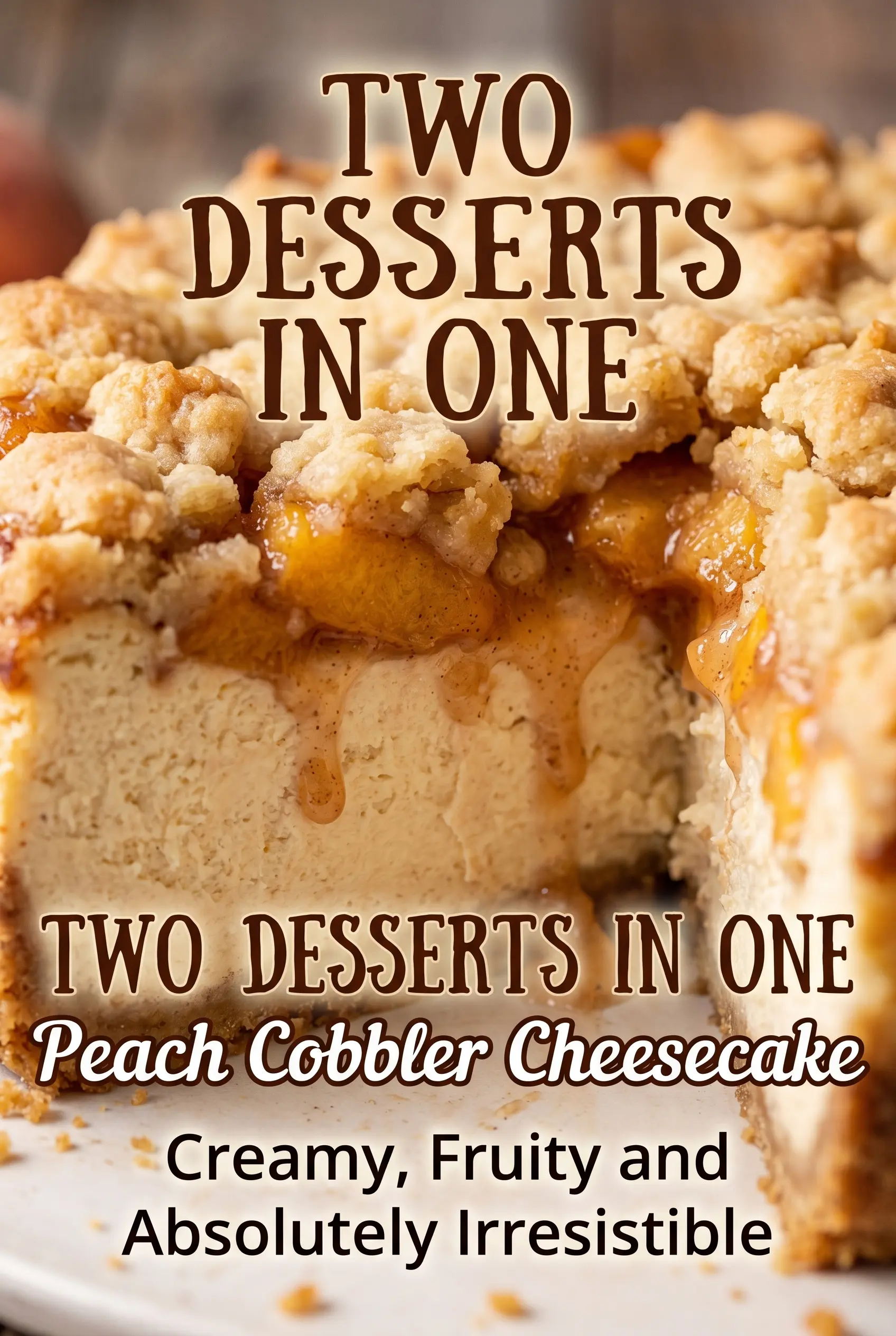
Peach Cobbler Cheesecake
Ingredients
Equipment
Method
- Preheat the oven to 325°F (165°C) and line up a 9-inch springform pan. Set the pan ready so the crust can be baked right after mixing.
- Mix graham cracker crumbs, granulated sugar, and melted butter until the mixture looks like damp sand. Press it firmly into the bottom of the 9-inch springform pan for an even layer.
- Bake the crust for 10 minutes, then cool it until no longer hot. Leave the oven on for the next bake.
- Beat cream cheese until smooth, stopping to scrape down the sides of the bowl. Mix until there are no visible lumps.
- Add granulated sugar and mix until creamy. Beat just until the sugar is incorporated and the batter looks glossy.
- Beat in the eggs one at a time. Mix each egg until fully combined before adding the next.
- Add vanilla extract and sour cream, then mix until smooth. The filling should look thick and uniform before pouring.
- Pour the cheesecake filling over the cooled crust. Spread it gently if needed so it reaches the edges.
- Toss fresh peaches with brown sugar, cinnamon, cornstarch, and lemon juice. Stir until the peaches are evenly coated and look slightly glossy.
- Spoon the peaches over the cheesecake batter in an even layer. Make sure the filling is covered with peaches while keeping some batter visible at the edges.
- Mix all-purpose flour, brown sugar, cinnamon, and cold butter, rubbing or stirring until crumbly. Look for uneven pea-sized butter bits for a cobbler texture.
- Sprinkle the topping evenly over the peaches. Distribute it to the corners so every slice has a crumble layer.
- Bake at 325°F (165°C) for 65–75 minutes until the center is slightly set. The edges should feel set while the middle still has a gentle wobble.
- Cool the cheesecake completely at room temperature until no longer warm to the touch. Then refrigerate at least 6 hours before serving so the layers slice cleanly.
