
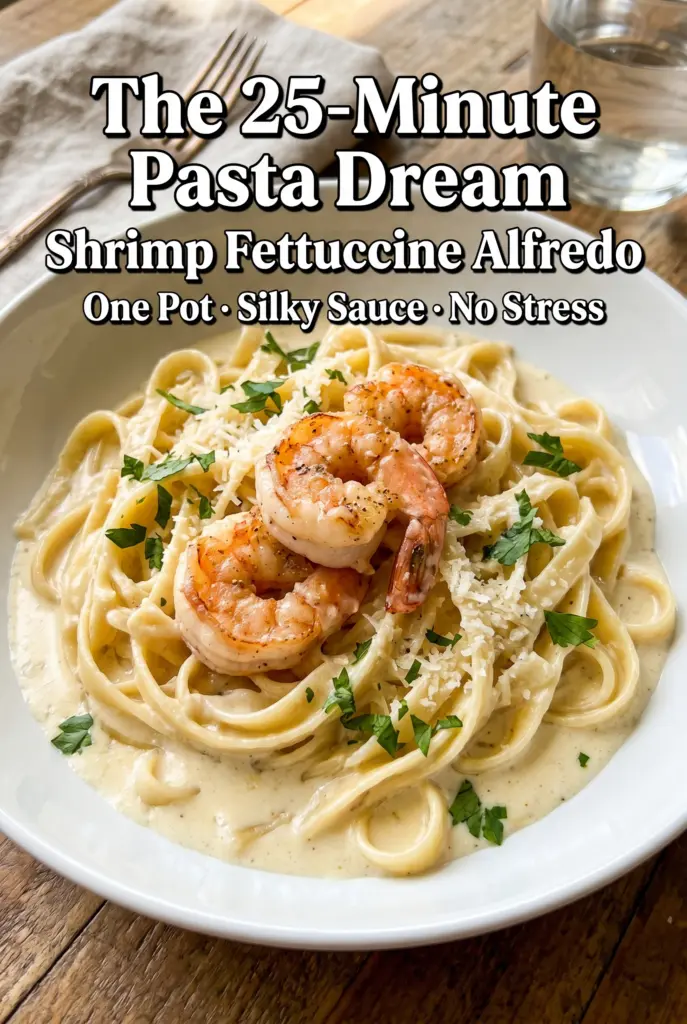
One Pot Shrimp Fettuccine Alfredo
Plump shrimp, silky Alfredo sauce, and fettuccine that cooks right in the pot make this one-pan dinner feel bigger than the effort it asks for. The pasta soaks up the…
Tip: save now, cook later.Plump shrimp, silky Alfredo sauce, and fettuccine that cooks right in the pot make this one-pan dinner feel bigger than the effort it asks for. The pasta soaks up the broth and cream as it cooks, which means every strand gets seasoned from the inside out instead of sitting under a sauce that was made separately. What you end up with is rich, garlicky, and creamy without a sink full of pans at the end.
The trick here is timing and heat. Shrimp only need a minute or two per side before they turn sweet and tender, and they go back into the pot at the very end so they don’t turn rubbery. The sauce also stays smoother when the Parmesan goes in off the heat after the pasta has finished cooking; high heat is what turns a good Alfredo grainy or split.
Below you’ll find the small details that matter most, including how to keep the pasta from sticking as it cooks and what to do if your sauce thickens faster than expected. There’s also a simple swap if you want to make it without shrimp and still keep that same creamy finish.
The shrimp stayed tender and the sauce thickened up beautifully right as the fettuccine finished. I liked that I didn’t have to drain the pasta, and my husband went back for a second bowl before I even sat down.
Save this one pot shrimp fettuccine Alfredo for the nights when you want creamy pasta, tender shrimp, and one pan to wash.
The Trick to Keeping the Alfredo Smooth While the Pasta Finishes
One-pot Alfredo can go wrong in two places: the pasta grabs the bottom of the pan, or the sauce turns tight and grainy before the noodles are done. Both problems come from heat control. Once the fettuccine goes in, the liquid should stay at a gentle simmer, not a hard boil. You want small bubbles around the edges and enough movement to keep the pasta from clumping.
The other key is patience with the cheese. Parmesan melts best when the pan has come off the heat or dropped to very low heat. If it goes in while the sauce is boiling, the proteins seize and you get a sauce that looks broken instead of glossy. Stir until the sauce turns smooth and clings to the pasta in a thin, creamy coat.
- Stir every few minutes. Fettuccine likes to stick to itself and to the pot. A quick stir keeps the strands separated and helps the pasta cook evenly.
- Keep the liquid level visible. If the pot looks dry before the pasta is tender, add a splash of broth or hot water. Different brands of pasta absorb at different rates.
- Pull the pan before the cheese goes in. Residual heat is enough to melt Parmesan without making it gritty.
- Return the shrimp at the end. They only need to warm through. Any longer and they lose that tender, juicy bite.
What Each Ingredient Is Actually Doing in This Dish
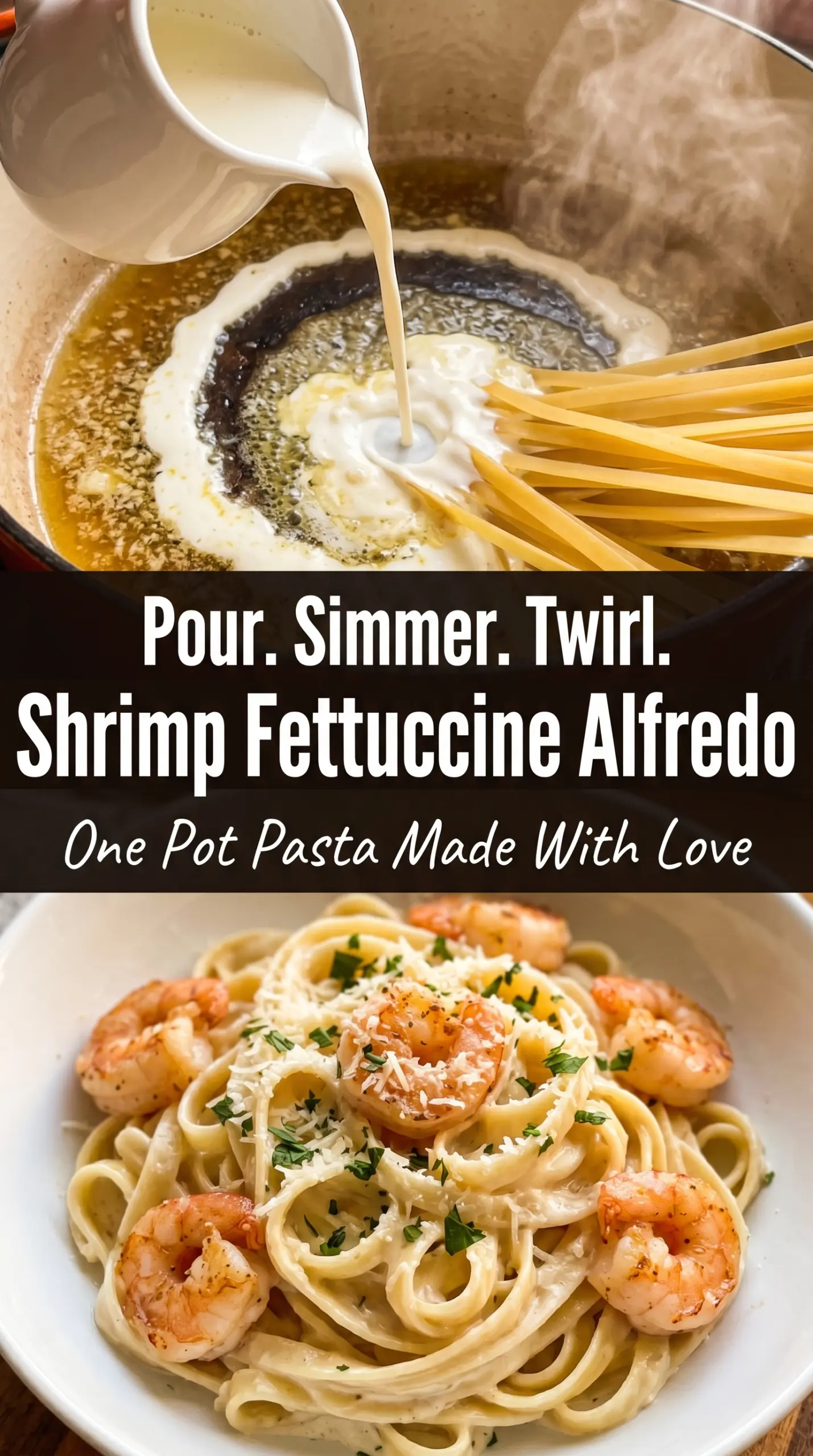
The shrimp should be large enough to stay juicy after a quick sear and a brief return to the sauce. Smaller shrimp cook fast, which sounds convenient, but they overcook in a blink once they hit the hot pasta. If you only have smaller shrimp, pull them from the pan as soon as they turn pink and fold them back in right before serving.
Heavy cream gives the sauce its body, and there isn’t a true stand-in that behaves the same way. Half-and-half can work in a pinch, but the sauce will be lighter and less stable, so don’t expect the same rich finish. Freshly grated Parmesan matters more than the brand name; pre-shredded cheese often contains anti-caking agents that keep it from melting smoothly.
- Fettuccine — The wide noodles hold onto the sauce better than thinner pasta. If you use linguine or spaghetti, the sauce will still work, but it won’t cling with quite the same weight.
- Chicken broth — This seasons the pasta as it cooks and gives the sauce a savory backbone. Water will work, but the finished dish tastes flatter.
- Butter and garlic — These build the Alfredo base before the liquids go in. Let the garlic turn fragrant, not brown; browned garlic tastes bitter and takes over the whole pot.
- Parmesan — This is what turns the sauce from creamy liquid into Alfredo. Grate it finely so it melts evenly instead of sinking into little clumps.
The 20 Minutes That Actually Matter
Searing the Shrimp First
Heat the olive oil until it shimmers, then lay the shrimp in a single layer. They should sizzle right away. Cook just until the flesh turns pink and opaque at the edges, then flip and finish the second side. If the pan is crowded, the shrimp will steam instead of sear, so work in batches if needed. Pull them as soon as they curl into a loose C; tight O-shaped shrimp are already overcooked.
Building the Alfredo Base
Use the same pot so the garlic picks up the flavor left behind by the shrimp. Melt the butter, add the garlic, and stir constantly for about a minute until it smells sweet and sharp, not toasted. Pour in the broth and cream, then season with Italian seasoning, onion powder, and red pepper flakes if you want a little heat. Bring it to a gentle boil only long enough to get the liquid moving before the pasta goes in.
Cooking the Pasta in the Sauce
Add the uncooked fettuccine and press it down so it’s mostly submerged. Reduce the heat to medium, cover partially, and stir every 2 to 3 minutes so the strands don’t glue themselves together. The pasta is ready when it’s al dente and the sauce has reduced enough to coat the noodles without pooling at the bottom of the pot. If the pasta is still firm but the pan looks dry, add a splash of broth and keep going.
Finishing Without Breaking the Sauce
Take the pot off the heat before stirring in the Parmesan. The sauce will look loose for a moment, then it tightens into a glossy coating as the cheese melts. Fold the shrimp back in and let them warm for a minute or two. Finish with parsley and black pepper, then serve right away while the sauce is still silky.
How to Adapt This for Dairy-Free, Lighter, or a Different Protein
Dairy-Free Alfredo With a Creamy Finish
Use unsweetened full-fat coconut cream in place of heavy cream and a dairy-free Parmesan-style cheese that melts well. The sauce will be a little less sharp and a touch richer in its own way, so add extra garlic and black pepper to keep the flavor balanced.
Chicken Instead of Shrimp
Use thinly sliced chicken breast or thighs and cook them fully before building the sauce. Chicken gives you a heartier, more familiar Alfredo, but it needs a few more minutes in the skillet than shrimp and won’t bring the same sweet briny note.
Gluten-Free Pasta Swap
Use a sturdy gluten-free fettuccine that’s built for one-pot cooking, and check it a minute earlier than the package suggests. Gluten-free noodles can go from firm to soft fast, so watch the texture instead of the clock.
Make It a Little Lighter
Swap half the cream for whole milk and expect a thinner sauce with less richness. It will still coat the pasta, but the finish won’t be as plush, so keep the Parmesan freshly grated and don’t overcook the liquid down too far.
Storage and Reheating
- Refrigerator: Store in an airtight container for up to 3 days. The sauce thickens as it chills, so the pasta will look a little tighter after a night in the fridge.
- Freezer: Freezing isn’t ideal here. Cream sauces and shrimp both lose texture after thawing, and the pasta gets soft.
- Reheating: Rewarm gently on the stove over low heat with a splash of broth, milk, or cream. High heat is the fastest way to turn the sauce grainy and the shrimp tough.
Answers to the Questions Worth Asking
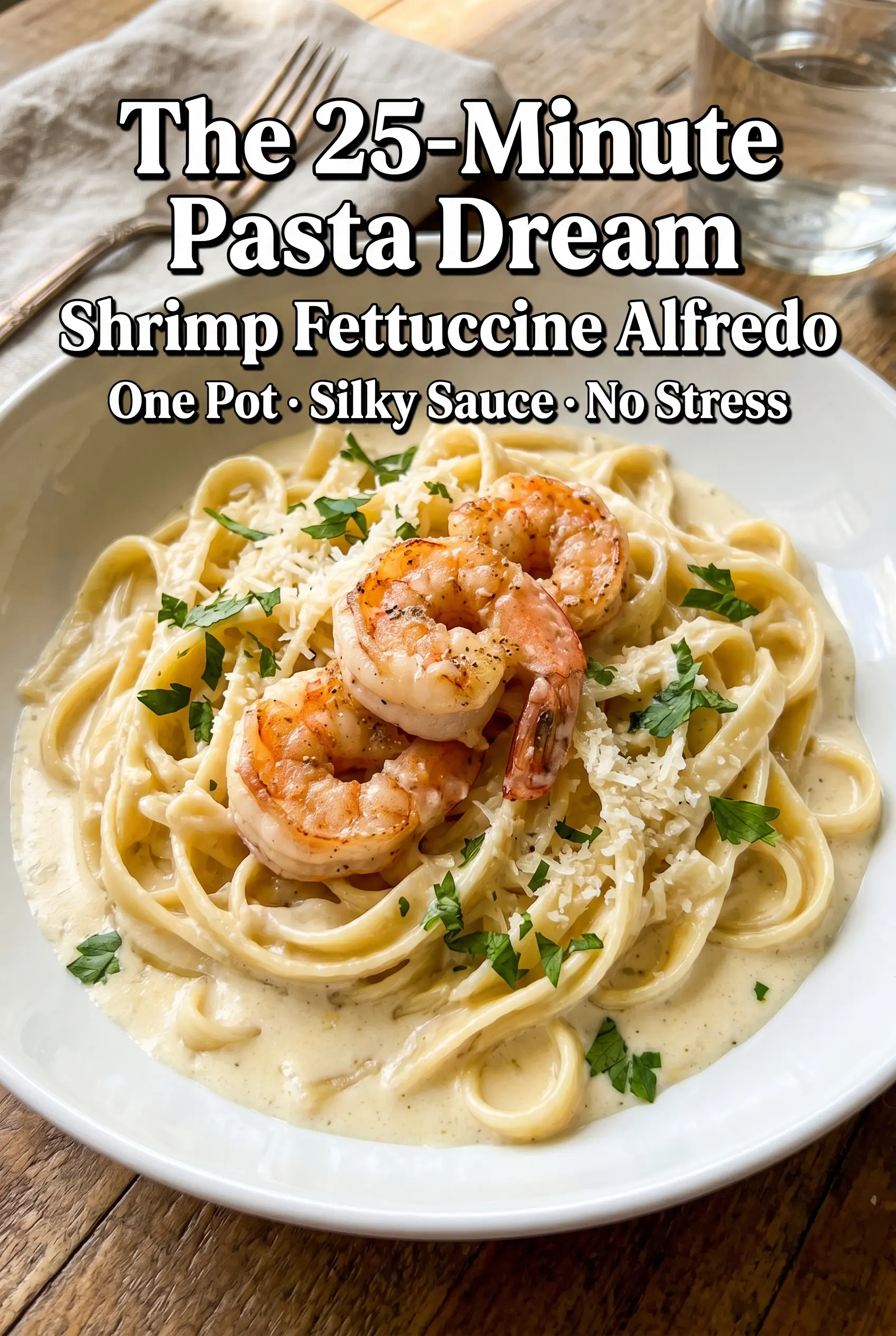
One Pot Shrimp Fettuccine Alfredo
Ingredients
Equipment
Method
- Heat the olive oil in a large deep skillet or wide pot over medium-high heat. Season the shrimp with salt and black pepper, then cook 1–2 minutes per side until pink and just opaque; remove and set aside.
- In the same pot, melt the butter over medium heat. Add the minced garlic and cook for 1 minute until fragrant, stirring constantly so it doesn’t burn.
- Pour in the chicken broth and heavy cream, then stir in Italian seasoning, onion powder, and red pepper flakes. Bring to a gentle boil.
- Add the uncooked fettuccine and press it into the liquid. Reduce heat to medium, cover partially, and cook 10–12 minutes, stirring every 2–3 minutes, until al dente and the mixture has absorbed most of the liquid.
- Remove the pot from heat, then stir in the Parmesan cheese until the sauce is silky and coats every strand. Return the shrimp to the pot and gently fold them in, then let sit 1–2 minutes to warm through.
- Taste and adjust salt and black pepper, then garnish with fresh parsley and extra Parmesan. Serve immediately straight from the pot.
