
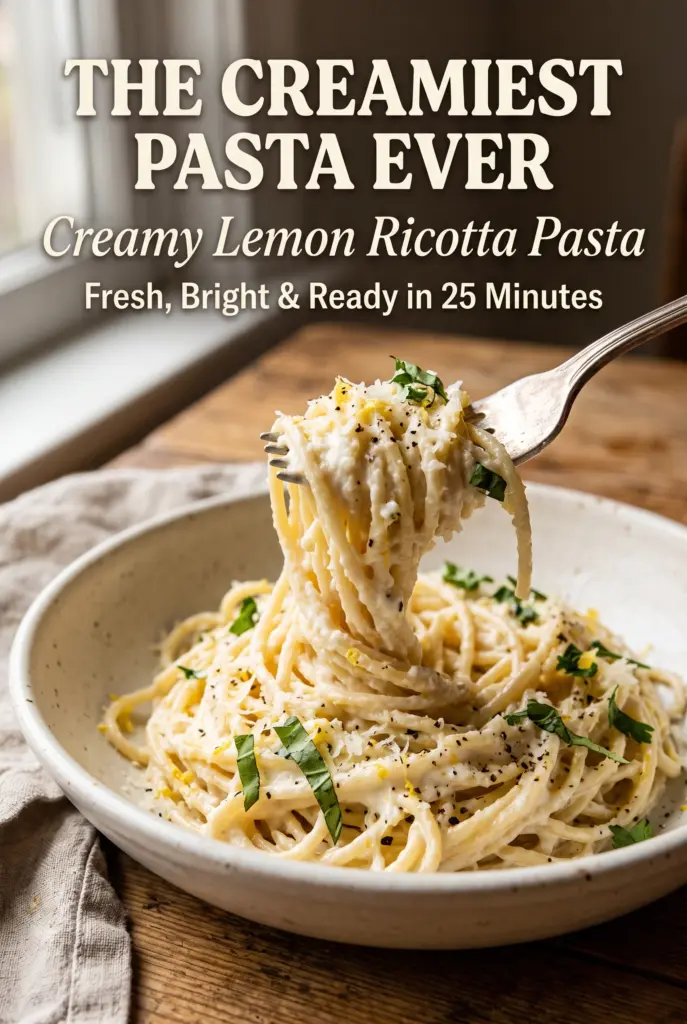
Creamy Lemon Ricotta Pasta
Creamy lemon ricotta pasta lands in that sweet spot between fresh and comforting. The sauce turns silky and light instead of heavy, with ricotta and Parmesan coating every strand of…
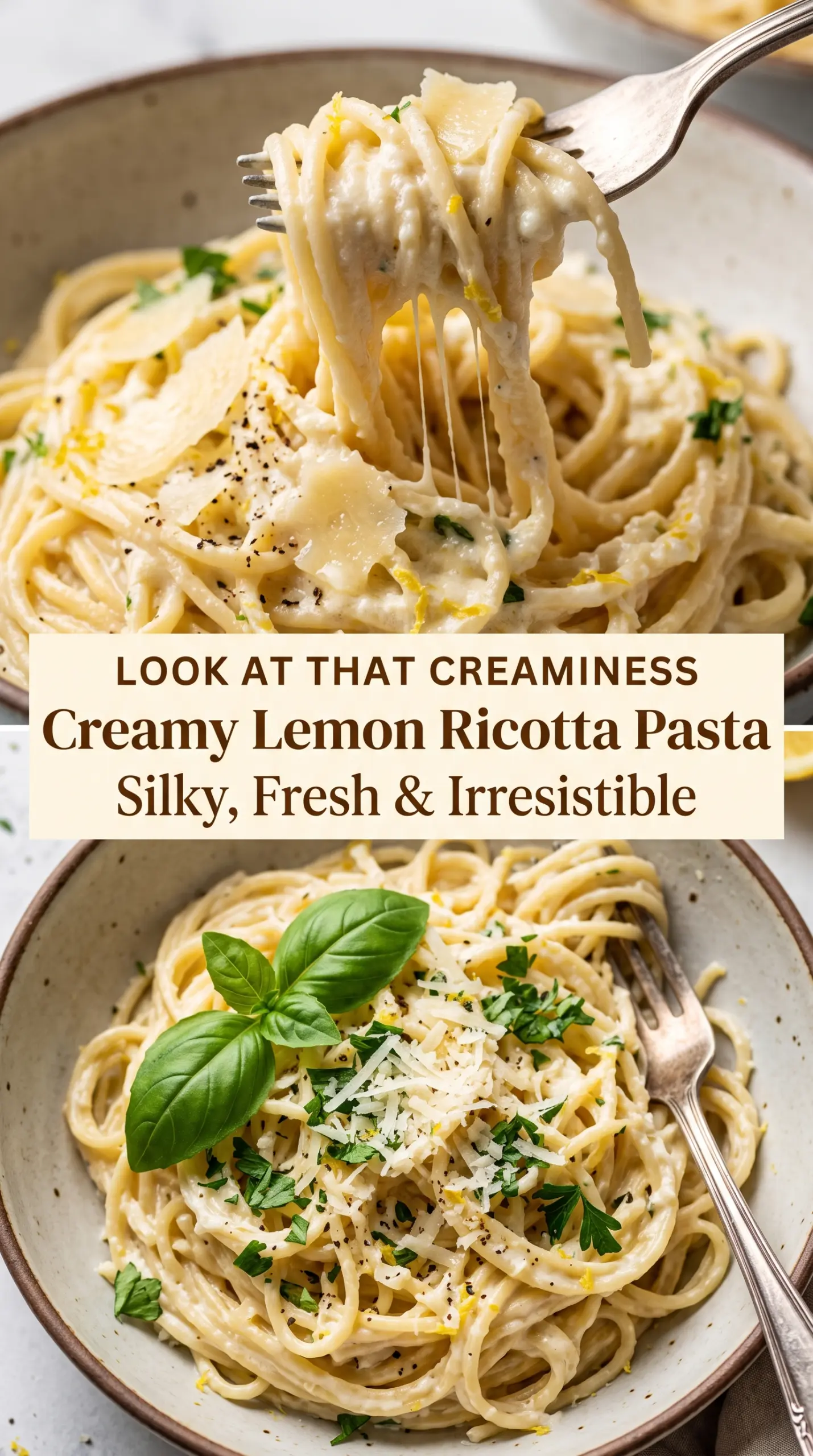
Tip: save now, cook later.Creamy lemon ricotta pasta lands in that sweet spot between fresh and comforting. The sauce turns silky and light instead of heavy, with ricotta and Parmesan coating every strand of pasta in a glossy finish that clings without feeling sticky or weighed down. The lemon keeps it bright, the butter gives it body, and the herbs at the end wake everything up.
What makes this version work is the way the sauce is built. Ricotta can go grainy if it’s hit with too much heat too fast, so the trick is to combine it with lemon, cream, and cheese first, then loosen it gradually with hot pasta water once the pasta is in the skillet. That starchy water is what turns the mixture from a thick dairy paste into a sauce that actually flows and coats the noodles.
Below, I’ve laid out the part that matters most: how to keep the sauce smooth, how to choose the right pasta shape, and what to change if you need to make it a little lighter, richer, or dairy-free.
The sauce went from thick ricotta to a silky coat on the pasta once I added the hot pasta water little by little. The lemon stayed bright and my husband asked if I could put this in the weekly rotation.
Creamy lemon ricotta pasta with a silky sauce, bright citrus, and tender noodles is one to keep close for busy nights.
The Reason Ricotta Turns Grainy, and How to Keep It Silky
Ricotta is forgiving in flavor but touchy in texture. If you dump it into a hot skillet and let it cook hard, the curds tighten up and the sauce can turn sandy instead of smooth. This recipe avoids that by mixing the ricotta with Parmesan, lemon, and cream first, then using hot pasta water to loosen everything only after the pasta is already in the pan.
The other thing that matters is heat. The final simmer should be gentle enough that you see a little steam, not a bubbling boil. Boiling can separate the dairy and make the sauce look broken. A calm, low heat keeps the ricotta glossy and lets the starch from the pasta water do its job.
What Each Ingredient Is Actually Doing in This Dish
- Whole milk ricotta — This is the base of the sauce, and whole milk ricotta gives you the best chance at a smooth, creamy finish. Part-skim ricotta works in a pinch, but it tends to be drier and a little grainier. If yours looks watery in the container, drain it briefly before mixing so the sauce doesn’t thin out too fast.
- Freshly grated Parmesan — Parmesan adds salt, depth, and a little body as it melts into the ricotta. Pre-grated cheese often has anti-caking agents that keep it from melting as cleanly, so grate it yourself if you can. That small step makes the sauce taste rounder and less dusty.
- Lemon zest and juice — The zest brings the bright lemon oil, while the juice gives the pasta its sharp finish. Use both, or the dish will taste flat. If your lemon is especially large or sharp, add the juice gradually so the sauce stays balanced instead of overly tart.
- Reserved pasta water — This is not just filler liquid. The starch in the water helps the ricotta sauce emulsify and cling to the noodles instead of sliding to the bottom of the bowl. Add it a splash at a time; too much at once can turn the sauce loose before it has a chance to thicken.
- Heavy cream — Just a little cream smooths the ricotta and gives the sauce a softer finish. You can skip it, but the texture will be slightly less plush. If you do use it, keep the heat gentle so the dairy stays stable.
- Fettuccine or linguine — Long pasta works best because the sauce wraps around the strands evenly. Short pasta will still taste good, but it won’t give you the same silky coating. Cook it just to al dente so it can finish in the skillet without turning mushy.
Building the Sauce So It Stays Glossy
Cooking the Pasta to the Right Point
Boil the pasta in well-salted water and stop at al dente, not past it. It should still have a little bite in the center because it will spend another minute or two in the skillet. Before you drain it, scoop out at least half a cup of the pasta water. If you forget that water, you lose the ingredient that turns the sauce from thick to silky.
Warming the Garlic Without Browning It
Melt the butter in a large skillet, then add the garlic just until it smells fragrant. You want soft, sweet garlic, not browned bits. If the garlic takes on color, it can turn bitter and take over the whole pan. Medium heat is enough here.
Turning Ricotta Into Sauce
Stir the ricotta, Parmesan, lemon zest, lemon juice, cream, seasoning, salt, and pepper together in a bowl before it hits the skillet. That gives the cheese a head start and keeps it from clumping on contact with the hot pan. Add the pasta first, then pour in the ricotta mixture and stir. The sauce will look thick and a little stubborn at first; that’s normal.
Using Pasta Water the Way It Was Meant to Work
Add the reserved pasta water a splash at a time while tossing constantly. Watch for the sauce to loosen, turn glossy, and start clinging to the pasta in a smooth coat. The moment it looks creamy and flows around the noodles instead of sitting in blobs, stop adding water. Finish with a gentle simmer for one to two minutes, not a boil, then fold in the basil and parsley right before serving.
How to Adapt This for a Few Different Kitchens
Dairy-Free Version With a Different Finish
Use a dairy-free ricotta alternative and swap the butter for olive oil or a plant-based butter. The sauce won’t be quite as rich or tangy as the original, but it will still cling well if you keep the heat low and use enough pasta water. Choose a ricotta-style product with some body, not a thin spread, or the sauce will turn watery.
Gluten-Free Pasta Without Losing the Sauce
A good gluten-free linguine or fettuccine works here, but it usually gives off less starch than wheat pasta. Save the pasta water anyway, then lean on the ricotta and Parmesan for body. If the sauce feels too loose, let it sit for a minute off the heat and toss again before serving.
Make It a Little Heartier
Add sautéed spinach, peas, or shredded rotisserie chicken if you want more bulk. Spinach wilts into the sauce with almost no extra effort, while chicken turns this into a fuller meal without changing the lemon-ricotta balance. Fold any add-ins in at the very end so they warm through without overcooking.
Lighter, Brighter, Less Creamy
Skip the heavy cream and use an extra splash of pasta water instead. The dish will be a little less plush, but the lemon will come forward more clearly and the sauce will still coat the noodles. This version is good when you want something fresher and less rich without changing the basic structure.
Storage and Reheating
- Refrigerator: Store leftovers in an airtight container for up to 3 days. The sauce thickens as it chills and the pasta absorbs some of the moisture.
- Freezer: I don’t recommend freezing this one. Ricotta-based sauces can turn grainy after thawing, and the pasta texture suffers too.
- Reheating: Warm it gently in a skillet over low heat with a splash of water or milk, stirring until the sauce loosens again. Microwave reheating tends to make the dairy separate and the pasta dry out around the edges.
Answers to the Questions Worth Asking
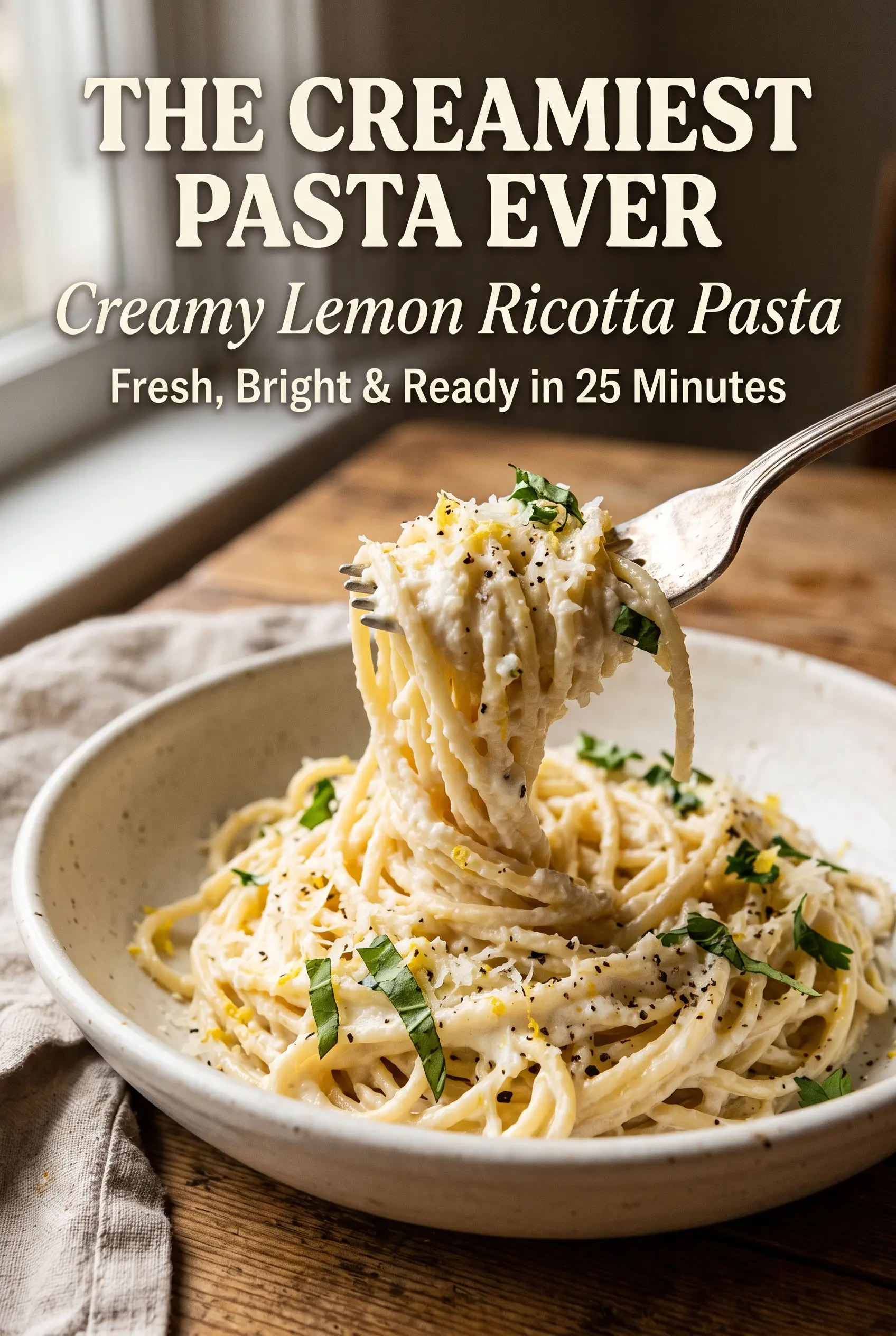
Creamy Lemon Ricotta Pasta
Ingredients
Equipment
Method
- Bring a large pot of salted water to a boil. Look for rolling bubbles that keep moving even after you stir.
- Cook the pasta until al dente according to the package directions. Taste one noodle near the end to confirm it still has a firm bite.
- Reserve ½ cup of the pasta water before draining. Measure it before you pour off the rest.
- Melt the butter in a large skillet over medium heat. Wait until it foams slightly, indicating it’s hot enough for the garlic.
- Add the garlic and cook for 30 seconds until fragrant. Watch for a fragrant aroma without letting it brown.
- In a bowl, combine the ricotta, Parmesan, lemon zest, lemon juice, heavy cream, Italian seasoning, salt, and pepper. Stir until smooth and evenly flavored.
- Add the cooked pasta to the skillet. Toss to coat lightly with the butter and garlic.
- Pour in the ricotta mixture. Stir gently so the sauce begins to cling to the noodles.
- Gradually stir in the reserved pasta water until the sauce becomes silky and coats the pasta. Add a little at a time and stop when it looks glossy.
- Simmer gently for 1–2 minutes without boiling. Keep bubbles minimal so the sauce stays creamy.
- Stir in fresh basil and parsley. Fold just until wilted and fragrant.
- Garnish with additional Parmesan, lemon zest, and cracked black pepper. Serve immediately with lemon wedges for brightness.
