
Chicken Lo Mein
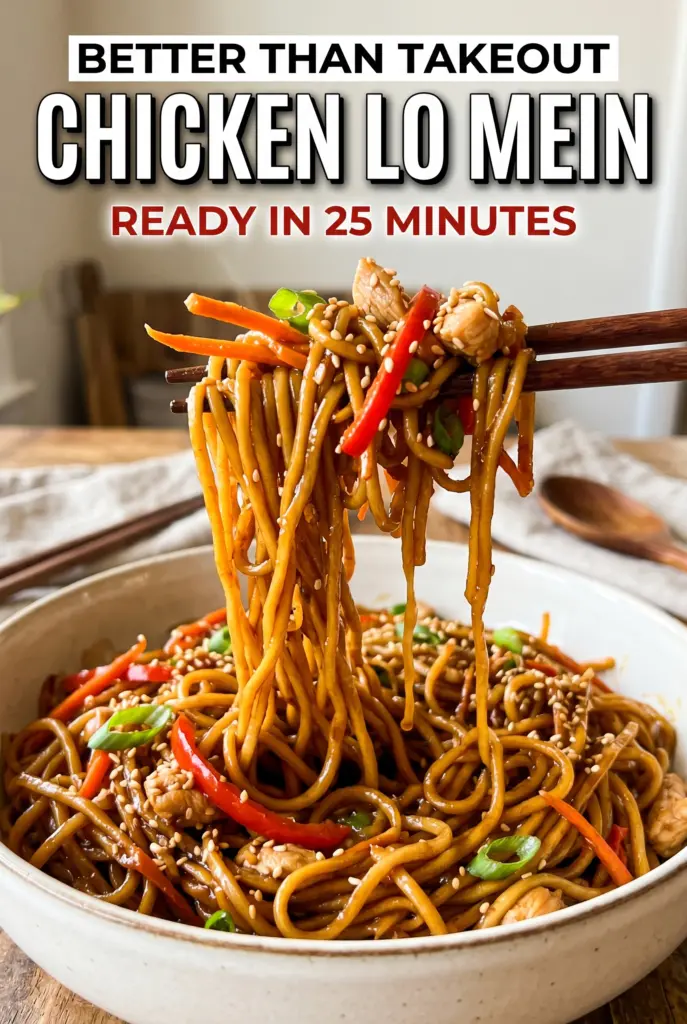
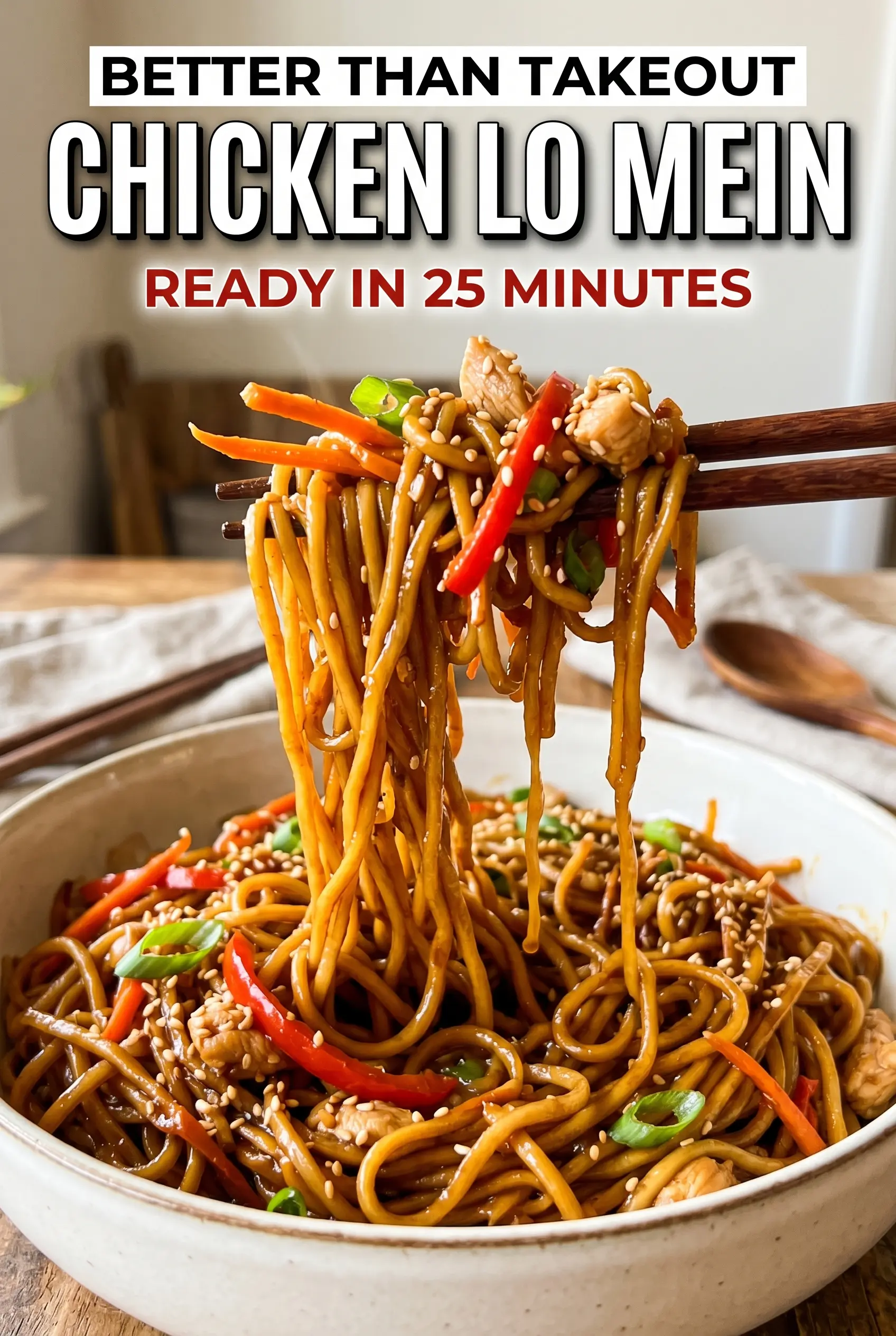
Silky noodles, tender chicken, and crisp vegetables coated in a glossy sauce are what make chicken lo mein worth keeping in regular rotation. The sauce clings instead of pooling at…
Tip: save now, cook later.Silky noodles, tender chicken, and crisp vegetables coated in a glossy sauce are what make chicken lo mein worth keeping in regular rotation. The sauce clings instead of pooling at the bottom of the pan, the vegetables stay snappy, and every bite gets that savory-sweet balance that takes it from plain stir-fry noodles to something you’d happily make instead of ordering out.
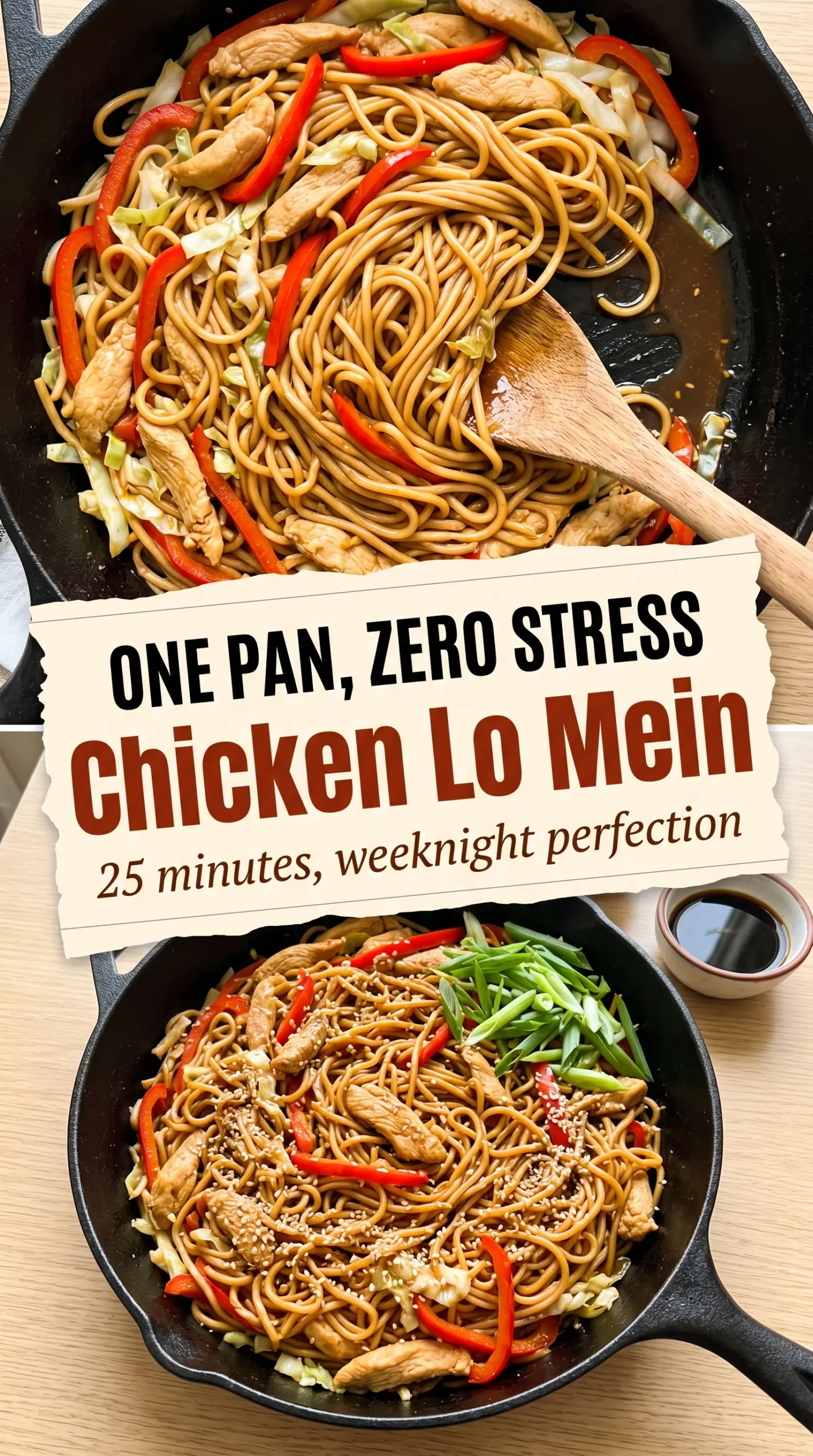
The part that matters most here is heat management. The chicken sears first so the pan picks up a little color, then the garlic and ginger go in for just long enough to bloom without scorching. The sauce also gets a small amount of cornstarch, which gives the noodles that restaurant-style sheen and helps everything coat evenly once it hits the pan.
Below, I’ve included the timing that keeps the noodles from going mushy, the one substitution that works if you don’t have lo mein noodles, and a few practical ways to change the dish without losing what makes it good.
The sauce coated every noodle instead of sinking to the bottom, and the chicken stayed tender even after tossing it back in at the end. My husband said it tasted better than our usual takeout spot.
Save this chicken lo mein for the nights when you want glossy noodles, crisp vegetables, and takeout-style flavor in one pan.
The Stir-Fry Timing That Keeps Lo Mein Glossy Instead of Soggy
The difference between lo mein that tastes bright and lo mein that turns heavy comes down to how long each part spends in the pan. Noodles that are cooked all the way through in the pot keep cooking once they hit the wok, so pulling them at just al dente matters. Rinsing them under cold water stops that carryover heat and keeps them from sticking into one clump while you finish the rest of the dish.
The other place people lose the texture is crowding the pan. Chicken needs room to sear, not steam, and the vegetables need high heat so the edges pick up a little color before they soften. If your pan looks crowded, work in batches. The extra minute is worth it because the finished noodles stay springy and the chicken stays juicy instead of gray and rubbery.
- Chicken breast — Thin slicing is what keeps it tender. Cut across the grain and keep the pieces even so they cook at the same pace. Chicken thighs work too if you want a little more richness.
- Lo mein noodles — Fresh lo mein noodles are ideal, but spaghetti does the job if that’s what you have. Cook either one just to al dente and toss with a little oil after draining so it doesn’t clump before it reaches the pan.
- Soy sauce, oyster sauce, and hoisin — This trio builds the backbone of the sauce. Soy gives salt, oyster sauce brings depth, and hoisin adds a touch of sweetness and body. If you need a swap, use a little extra soy sauce plus a pinch of brown sugar, but the flavor will be flatter.
- Cornstarch — This is what helps the sauce coat the noodles instead of sliding off. Whisk it fully into the sauce before it goes into the pan so you don’t get little starchy spots.
- Sesame oil — Use it for flavor, not frying. A small amount goes a long way, and adding too much makes the dish taste heavy instead of fragrant.
The 10 Minutes That Make the Sauce Work
Whisk the Sauce Before the Heat Goes On
Combine the soy sauce, oyster sauce, hoisin, sesame oil, brown sugar, cornstarch, and water in a small bowl and whisk until the mixture looks smooth and slightly thickened. If the cornstarch sits in a clump, it’ll hit the hot pan unevenly and leave streaks instead of gloss. The sauce should look loose enough to pour, but not watery.
Sear the Chicken in a Single Layer
Heat the oil until it shimmers, then add the chicken and leave it alone for the first couple of minutes. That quiet time is what builds color. If you stir too soon, the meat releases moisture and steams instead of browning. Pull it out as soon as it’s cooked through so it doesn’t dry out while the vegetables cook.
Cook the Vegetables Fast and Hot
Garlic and ginger only need about 30 seconds before the vegetables go in. Once the carrot, bell pepper, and cabbage hit the pan, keep everything moving so the garlic doesn’t burn. You’re looking for tender-crisp vegetables with browned edges, not soft ones that collapse into the noodles.
Finish with the Noodles and Sauce Together
Return the chicken, add the noodles, and pour the sauce over the top all at once. Toss constantly so the starch in the sauce thickens as it heats and coats every strand. If the pan looks dry before the noodles are glossy, add a spoonful of water. If it looks loose, give it another minute over the heat while tossing.
How to Adapt This Chicken Lo Mein Without Losing the Texture
Make it gluten-free
Use gluten-free noodles or rice noodles and swap in tamari for the soy sauce. Double-check that your oyster sauce and hoisin are labeled gluten-free, because that’s where hidden wheat often shows up. The texture stays close, though rice noodles will be softer than lo mein.
Make it vegetarian
Skip the chicken and add extra cabbage, mushrooms, snap peas, or broccoli. For the sauce, use vegetarian oyster sauce or a mushroom-based stir-fry sauce so you keep that deep savory note. The pan comes together faster because vegetables cook quicker than chicken.
Use spaghetti when lo mein noodles aren’t available
Spaghetti works because the sauce does the heavy lifting. Cook it just to al dente, rinse it briefly, and oil it lightly so the strands separate in the pan. The final dish is a little less chewy than true lo mein, but the flavor stays on point.
Storage and Reheating
- Refrigerator: Store leftovers in an airtight container for up to 4 days. The noodles will absorb some sauce, so they’ll look a little less glossy the next day.
- Freezer: It freezes, but the vegetables lose their crispness. If you plan to freeze it, slightly undercook the vegetables so they hold up better after thawing.
- Reheating: Reheat in a skillet over medium heat with a splash of water to loosen the sauce. The biggest mistake is microwaving it dry, which turns the noodles tight and sticky before the center warms through.
Questions I Get Asked About This Chicken Lo Mein
Chicken Lo Mein
Ingredients
Equipment
Method
- Cook the lo mein noodles according to package directions until just al dente, then drain and rinse with cold water. Toss immediately with a drizzle of sesame oil to prevent sticking and set aside.
- In a small bowl, whisk together soy sauce, oyster sauce, hoisin sauce, sesame oil, brown sugar, cornstarch, and water until smooth. Set the sauce aside.
- Heat 1 tbsp vegetable oil in a large wok or skillet over high heat until shimmering. Add the chicken in a single layer, season with a pinch of salt and pepper, and sear without stirring for 2 minutes.
- Toss the chicken and cook another 1–2 minutes over high heat until golden and cooked through. Remove the chicken to a plate and set aside.
- Add the remaining 1 tbsp vegetable oil to the same pan and heat over high until shimmering. Stir in garlic and ginger and cook, stirring constantly, for 30 seconds until fragrant.
- Add carrot, red bell pepper, and cabbage to the pan. Stir-fry over high heat for 2–3 minutes until tender-crisp and beginning to caramelize at the edges.
- Return the chicken to the pan, add the cooked noodles, and pour the sauce over everything. Toss with tongs for 1–2 minutes until the sauce coats every noodle and turns glossy.
- Add the green onions and toss once more to combine. Taste and adjust with extra soy sauce or sesame oil as needed.
- Serve immediately, garnished with sesame seeds and extra sliced green onions.
