
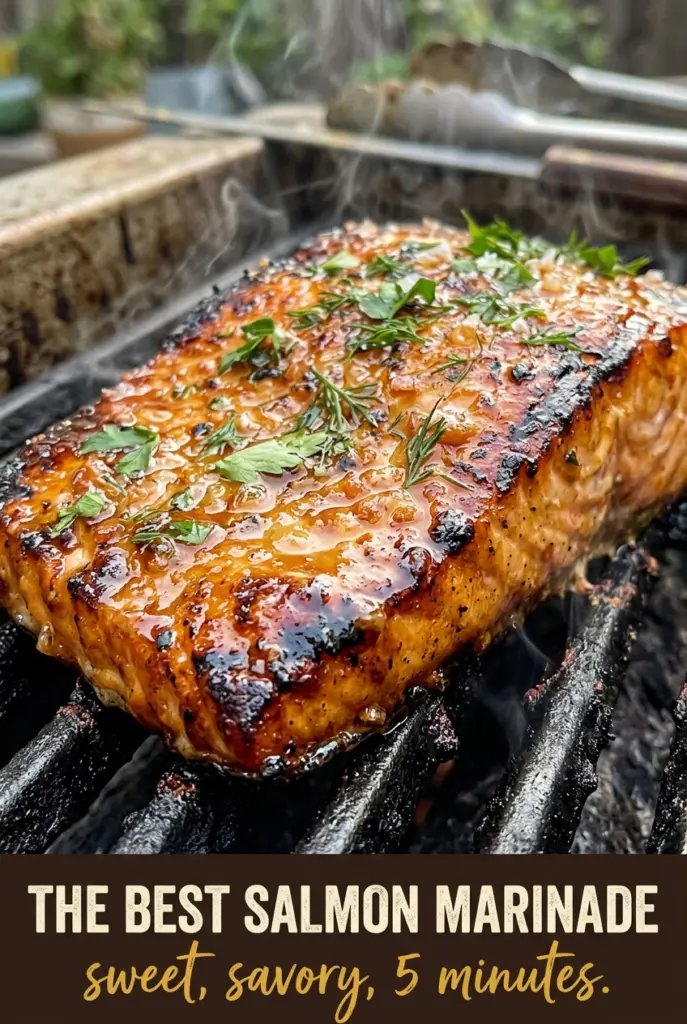
The Best Salmon Marinade
Sweet, savory, and lightly caramelized salmon is what happens when a fast marinade does its job without masking the fish. The soy sauce brings depth, the honey gives you that…
Tip: save now, cook later.Sweet, savory, and lightly caramelized salmon is what happens when a fast marinade does its job without masking the fish. The soy sauce brings depth, the honey gives you that glossy finish, and the lemon keeps everything bright instead of heavy. When it hits the grill or oven, the surface turns sticky and browned while the center stays tender and flaky.
The trick here is balance. Too much acid and the salmon starts to get soft before it cooks; too much honey and it can scorch before the fish is done. This version keeps the marinade short and the ingredient list tight, so you get real flavor on the outside without turning the fillets mushy.
Below, you’ll find the timing that keeps the texture right, plus a few swaps if you want to use this same marinade on chicken or shrimp.
The marinade clung to the salmon beautifully and the glaze got that sticky edge without burning. I baked it for 12 minutes and the fillets were juicy all the way through.
Save this salmon marinade for juicy fillets with a sticky soy-honey glaze and bright lemon finish.
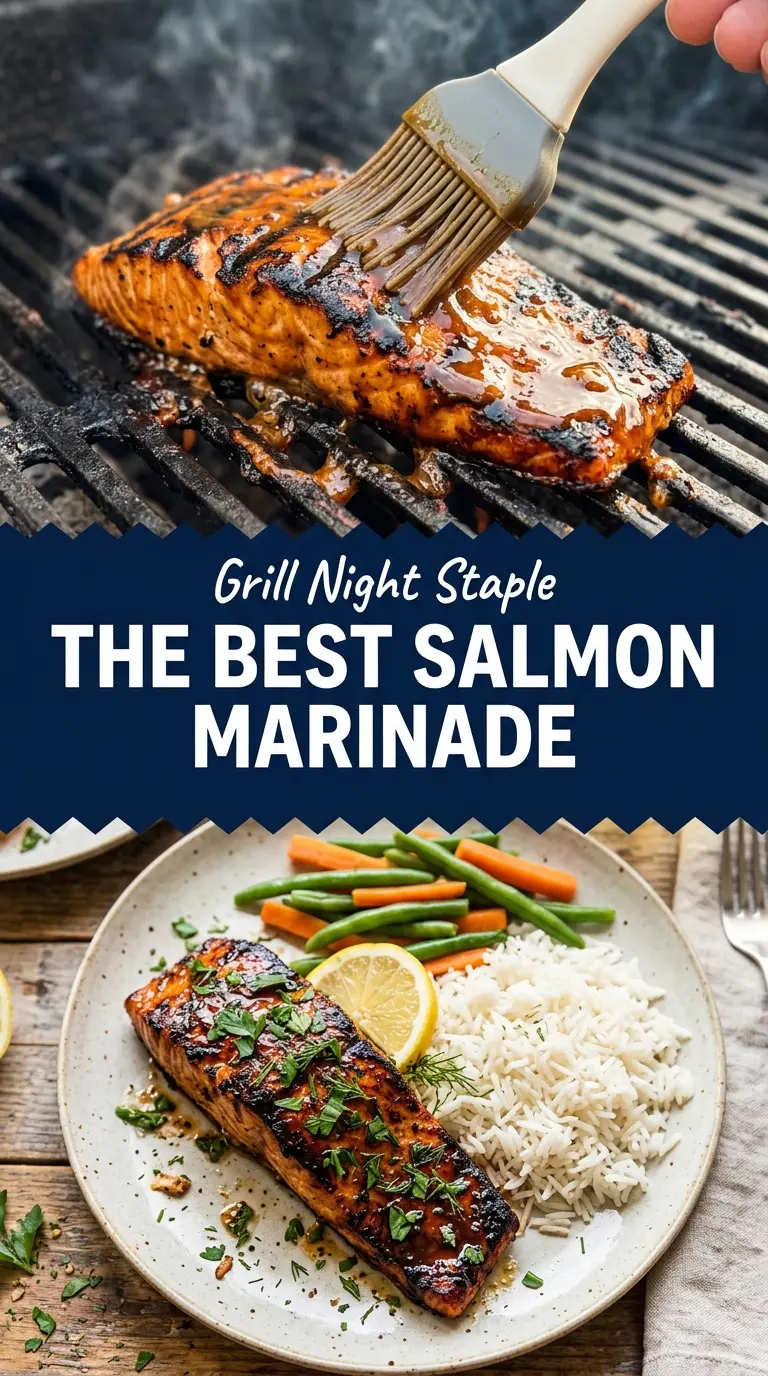
The Reason This Marinade Works Without Making the Salmon Mushy
Salmon needs flavor, but it doesn’t need a long soak. The lemon juice gives the marinade its brightness, yet it also starts breaking down the fish if you leave it too long. That’s why the short marinating window matters here: long enough to season the surface, short enough to keep the texture clean and flaky.
Honey is the other piece that can trip people up. It helps the fillets brown and glaze, but if you cook over high heat without watching closely, it can darken before the salmon finishes. This recipe works because the sugar, acid, and salt stay in balance, and the cook time stays short enough to protect that tender center.
- Soy sauce — This carries the salty backbone and gives the salmon color as it cooks. Use regular soy sauce for the cleanest balance; low-sodium works if you want a little more control over the salt level.
- Honey — It adds sweetness and helps the exterior turn glossy and caramelized. Maple syrup can stand in, but it tastes a little deeper and browner.
- Lemon juice — Fresh lemon brightens the marinade and keeps the rich fish from tasting heavy. Bottled lemon juice works in a pinch, though fresh is sharper and cleaner.
- Garlic and ginger — These give the marinade its savory lift and a little warmth. Grate or mince them finely so they disperse evenly instead of burning in patches.
- Salmon fillets — Center-cut fillets cook most evenly because they’re similar in thickness. Skin-on pieces hold together better on the grill, while skinless fillets are easier to baste and serve.
How to Get the Glaze Right From the First Minute on the Heat
Whisk the Marinade Until the Honey Disappears
Combine the soy sauce, honey, olive oil, lemon juice, garlic, ginger, and black pepper until the mixture looks smooth and loose, not streaked with syrup. If the honey stays in ribbons at the bottom, the salmon won’t season evenly. A bowl works fine, but a resealable bag gives you better coverage with less marinade.
Keep the Marinating Time Short
Add the salmon and turn it gently so every surface is coated. Let it sit for 20 to 30 minutes at room temperature, or up to 4 hours in the fridge if the fillets are thick. Longer than that, the lemon starts to change the texture and the fish can go from firm to soft at the edges.
Cook Hot Enough to Brown, Not So Hot That the Honey Burns
Lift the fillets out and let the excess drip off before cooking. Whether you grill, bake, or pan-sear, the salmon should cook until it flakes easily and reaches 145°F in the thickest part. If you’re basting with reserved marinade, do it near the end so the sugars have time to glaze instead of scorch.
Let It Rest for a Minute Before Serving
Give the salmon a brief rest off the heat so the juices settle back into the flesh. That last minute matters more than people think. Cut into it too soon and the steam escapes before the texture firms up.
Three Ways to Make This Salmon Marinade Work for Your Kitchen
Dairy-Free and Naturally Gluten-Free
This marinade already fits both diets as long as you use a gluten-free soy sauce or tamari. Tamari gives you the same salty depth with a slightly rounder finish, and the salmon still caramelizes the same way.
Swap in Maple Syrup for a Deeper Sweetness
Maple syrup works in place of honey if that’s what you have. It makes the glaze a little less sharp and a little more woodsy, which pairs nicely with oven-baked salmon, though it won’t get quite as sticky at the edges.
Use It on Chicken or Shrimp
Chicken thighs can marinate for a few hours and handle the full flavor with no problem. Shrimp only needs 15 minutes at most, since the acid can start to tighten the texture fast. The same marinade works for both, but the timing changes with the protein.
Storage and Reheating
- Refrigerator: Store cooked salmon in an airtight container for up to 3 days. The glaze softens a little as it sits, but the flavor holds well.
- Freezer: Cooked salmon can be frozen for up to 2 months, though the texture gets a touch drier after thawing. Wrap portions tightly and freeze them flat so they thaw evenly.
- Reheating: Warm it gently in a 275°F oven, covered loosely with foil, until just heated through. High heat dries salmon out fast, so skip the microwave if you want the flesh to stay tender.
Answers to the Questions Worth Asking
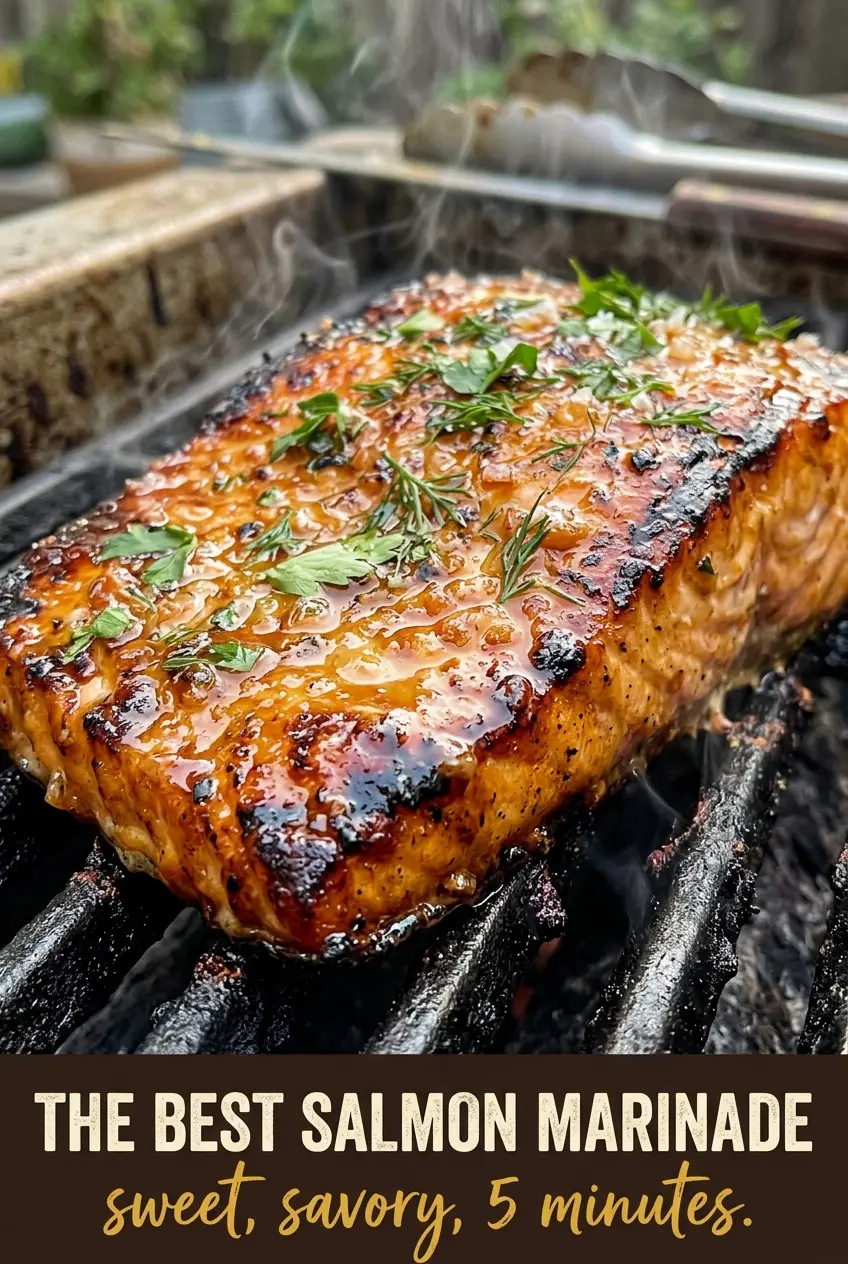
The Best Salmon Marinade
Ingredients
Equipment
Method
- Whisk together soy sauce, honey, olive oil, lemon juice, garlic, ginger, and black pepper in a bowl or resealable bag until evenly combined.
- Transfer salmon fillets to the bag and turn to coat evenly, making sure each piece is well covered with marinade.
- Let the salmon marinate 20–30 minutes at room temperature for best timing, turning once if needed for even coverage.
- For longer flavor, refrigerate up to 4 hours, and avoid marinating longer because the acid can start to break down the fish.
- Remove salmon from the marinade, letting excess drip off, and reserve extra marinade for basting if desired.
- Grill, bake, or pan-sear the salmon until it flakes easily and reaches an internal temperature of 145°F, basting with reserved marinade partway through cooking.
- Serve warm, spooning any extra pan juices over the salmon before eating.
