
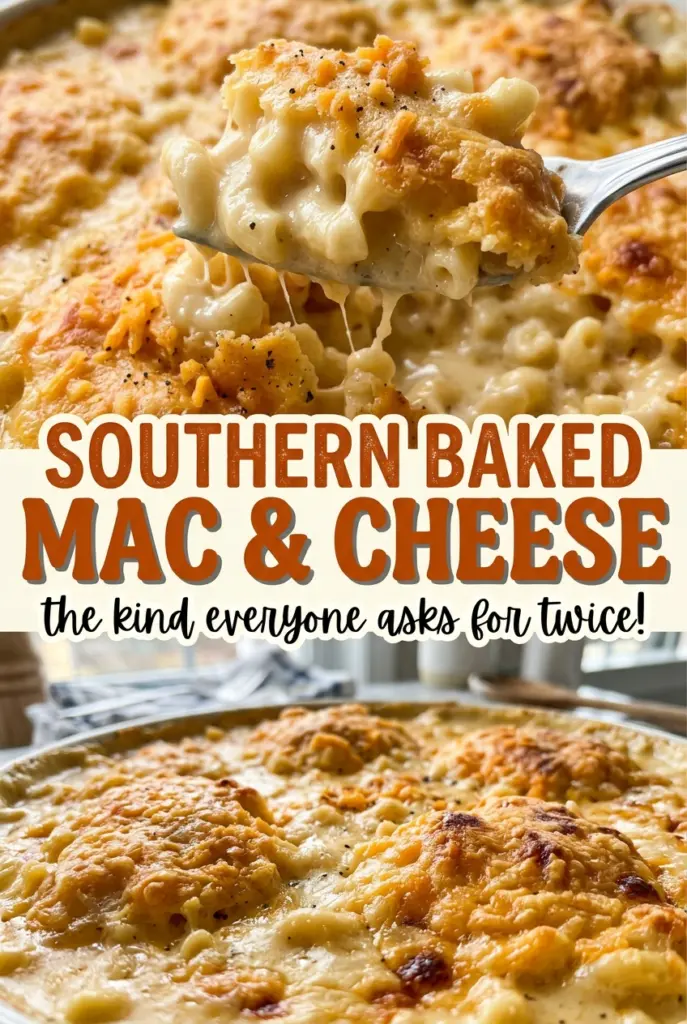
Southern Baked Mac and Cheese
The top of a good baked mac and cheese can look ready before the middle has stopped wobbling. That’s the little timing trap with Southern Baked Mac and Cheese: you…
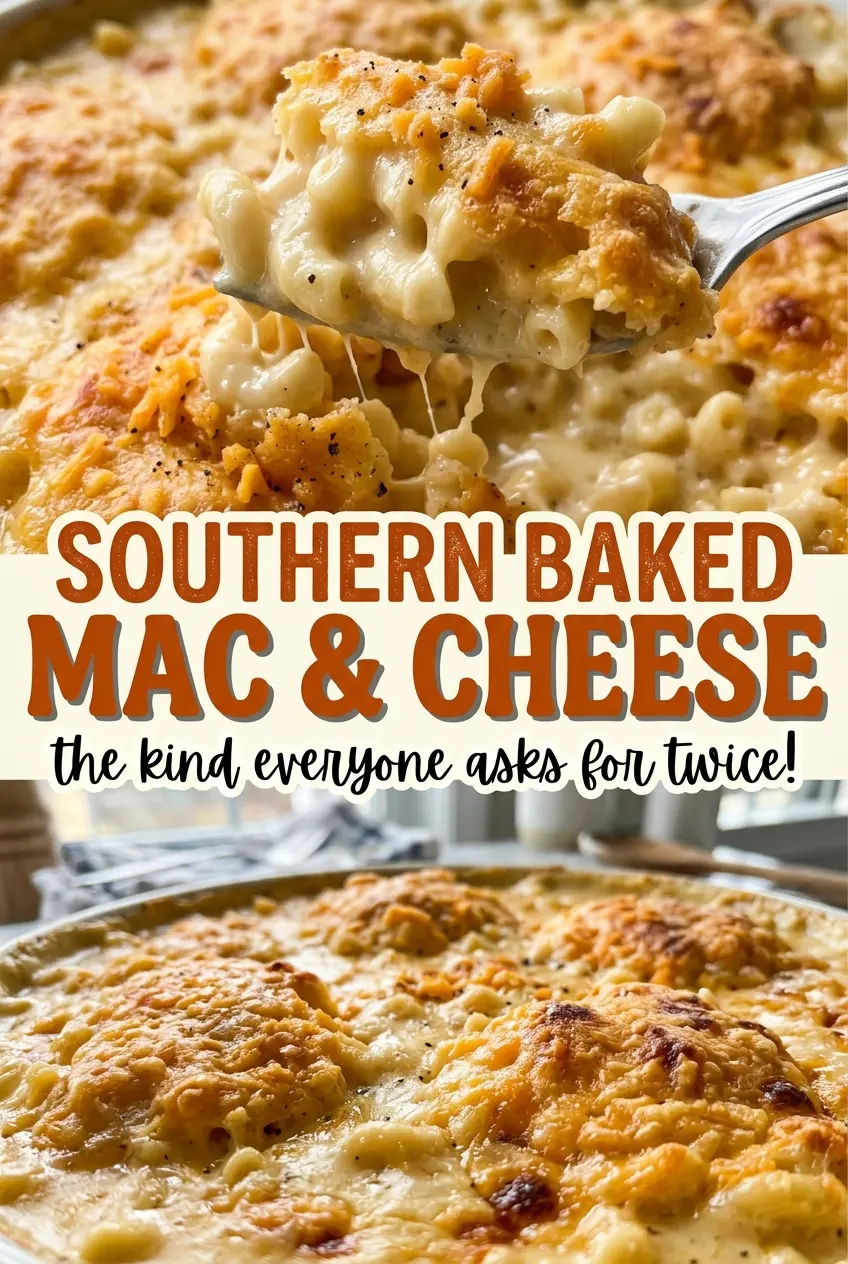
Tip: save now, cook later.The top of a good baked mac and cheese can look ready before the middle has stopped wobbling. That’s the little timing trap with Southern Baked Mac and Cheese: you want a browned, cheesy surface, but the casserole underneath still needs time to set. I like this version because it lands between a loose bowl of stovetop macaroni and a firm slice of pasta bake. The center stays creamy, and the top gets its own layer of cheddar.
There’s no separate cheese sauce to cook before the pasta goes into the dish. Instead, eggs and milk bring the macaroni together in the oven, so the bake comes out cohesive without losing that tender, creamy texture. It’s a straightforward casserole, but the difference between soft noodles and mushy ones matters here. A little attention to the pasta and the center gives you a pan that cuts neatly after resting, with plenty of cheese in every serving.
Kitchen Note
A browned top doesn’t tell you whether the center is ready. Check the middle with an instant-read thermometer; it should reach 160°F for the eggs and milk to set properly.
Save this Southern Baked Mac and Cheese for a creamy center, a golden cheddar top, and a casserole that holds together after its short rest.
Why the Egg-and-Milk Mixture Makes This More Than Cheesy Noodles
In this casserole, eggs do a job that a pour of milk alone can’t: they set as they bake and hold the macaroni in a soft, sliceable layer. The goal isn’t a stiff, dry block. It’s a center that has lost its liquid wobble but still feels tender when you scoop into it. That’s also why it helps to watch the middle rather than judging the whole pan by its edges.
The evaporated milk brings a fuller, more concentrated dairy quality than whole milk by itself, while the whole milk keeps the mixture fluid enough to coat the pasta. Together with the eggs, they form the custard that fills the gaps between elbows. You don’t need to thicken anything on the stove first. Just whisk the mixture well so the eggs and seasonings are evenly distributed before it goes over the macaroni.
One common disappointment is a casserole that seems done because the cheese on top has colored, but still has a loose center. The top and the middle don’t finish at exactly the same pace. Use the center as your guide, and give the bake its resting time before serving; that pause lets the set interior settle instead of slumping onto the plate.
Sharp Cheddar, Evaporated Milk, and the Choices That Shape the Casserole
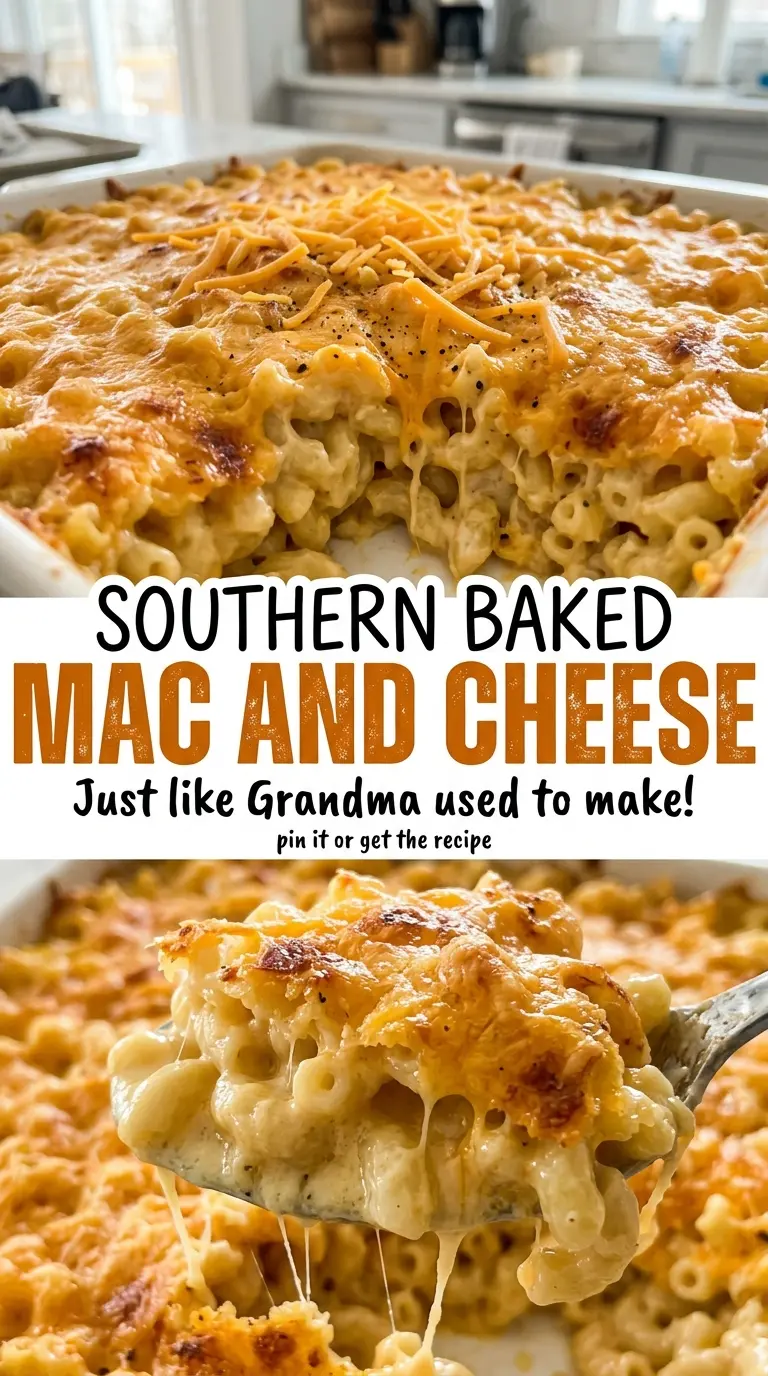
- Sharp cheddar — Its assertive flavor stays noticeable alongside the milk and pasta. A block that you shred yourself melts more smoothly than many pre-shredded cheeses, which are coated to keep the shreds separate. Choose a cheddar you enjoy eating on its own; an expensive aged cheese isn’t necessary here.
- Evaporated milk — This unsweetened canned milk gives the custard a richer dairy base. Keep the can in the pantry for this dish; sweetened condensed milk is not an interchangeable swap, because its added sugar would change the casserole substantially.
- Elbow macaroni — The curved tubes catch cheese inside and out, and their small size makes the casserole easy to portion. Use regular dried elbows for the closest result. If you choose gluten-free elbows, look for a sturdy brand and follow the package timing adjustment in the variations below.
- Dry mustard and black pepper — Dry mustard adds a gentle savory edge without turning the dish into a mustard-flavored casserole, while black pepper keeps the cheese from tasting flat. Freshly opened dry mustard has the clearest flavor; there’s no need for specialty pepper.
Four Stages for Creamy Macaroni and a Set Center
Get the Dish Ready and Cook the Elbows Short
Heat the oven to 350°F and grease a 9×13-inch baking dish with 1 tablespoon of the butter. Bring 4 quarts of water and 1 teaspoon of the kosher salt to a boil in a large pot. Cook the elbows for 2 minutes less than the package directions, then drain them well. They should still have a little firmness; they’ll continue cooking in the oven, so don’t take them all the way to soft now.
Coat the Hot Pasta with Butter and Cheddar
Melt the remaining 3 tablespoons of butter and toss it with the hot, drained macaroni. Add 3 cups of the shredded cheddar and toss again so it’s spread through the elbows. Work while the pasta is still hot, which helps the cheese cling instead of sitting in one heavy layer. Keep the remaining cheddar separate for the top.
Whisk and Pour the Custard Evenly
In a large bowl, whisk the eggs with the evaporated milk, whole milk, remaining 1/2 teaspoon of kosher salt, black pepper, and dry mustard. Whisk until the yolks and whites are blended and no streaks of egg remain. Pour the mixture over the macaroni and mix well, lifting from the bottom so the liquid doesn’t pool underneath. Transfer everything to the prepared dish and scatter the reserved cheddar across the top.
Bake Until the Middle Holds, Then Rest
Bake for 35–45 minutes, until the center is set rather than visibly loose. The edges may look firmer than the middle, so check the center before deciding it’s ready. Take the dish out and let it rest for 10 minutes before serving. Cutting into it immediately makes the creamy interior more likely to spread instead of sitting neatly on the plate.
Three Practical Ways to Adapt This Southern Baked Mac and Cheese
Make It Gluten-Free with Gluten-Free Elbows
Replace the regular macaroni with the same amount of gluten-free elbow pasta. Cook it 2 minutes less than the package directions, then drain it well; gluten-free brands vary in how quickly they soften, and some can turn fragile if boiled too long. The custard and cheese stay the same, though the pasta texture may be a little less firm.
Use Mild Cheddar for a Softer Cheese Flavor
Swap mild cheddar for the sharp cheddar while keeping the total cheese amount and the same split between pasta and topping. It melts into the casserole in much the same way, but the finished dish tastes gentler and less tangy. This is a flavor change, not a way to make the bake less rich.
Put More Cheddar on the Top
For a stronger layer of cheese across the surface, reserve a larger share of the cheddar for the topping and fold the rest through the macaroni. Keep the total amount unchanged. You’ll get more cheddar in the browned top, with slightly less threaded through the pasta.
Storage and Reheating
- Refrigerator: Refrigerate covered leftovers within 2 hours and eat within 3–4 days. The pasta firms as it chills.
- Freezer: Freeze cooled portions in airtight containers for up to 2 months for best quality. Thaw overnight in the refrigerator; the texture may be a little softer after freezing.
- Reheating: Cover and warm in a 350°F oven until heated through, or microwave individual portions. Reheat leftovers to 165°F, and don’t leave the casserole uncovered in the oven for an extended time or the edges can dry out.
Questions That Come Up When Baking This Mac and Cheese
Southern Baked Mac and Cheese
Ingredients
Equipment
Method
- Preheat the oven to 350°F.
- Grease a 9x13-inch baking dish with 1 tablespoon of the butter.
- Bring the water and 1 teaspoon of the salt to a boil in a large pot.
- Add the macaroni and cook for 2 minutes less than the package directions.
- Drain the macaroni well.
- Melt the remaining 3 tablespoons butter.
- Toss the melted butter with the hot macaroni and 3 cups of the cheddar.
- In a large bowl, whisk the eggs, evaporated milk, whole milk, remaining 1/2 teaspoon salt, black pepper, and dry mustard.
- Pour the egg mixture over the macaroni and mix well.
- Transfer the macaroni mixture to the prepared dish.
- Top with the remaining cheddar.
- Bake for 35–45 minutes, until the center is set and reaches 160°F.
- Rest for 10 minutes before serving.
