
Pumpkin Snickerdoodle Cookies
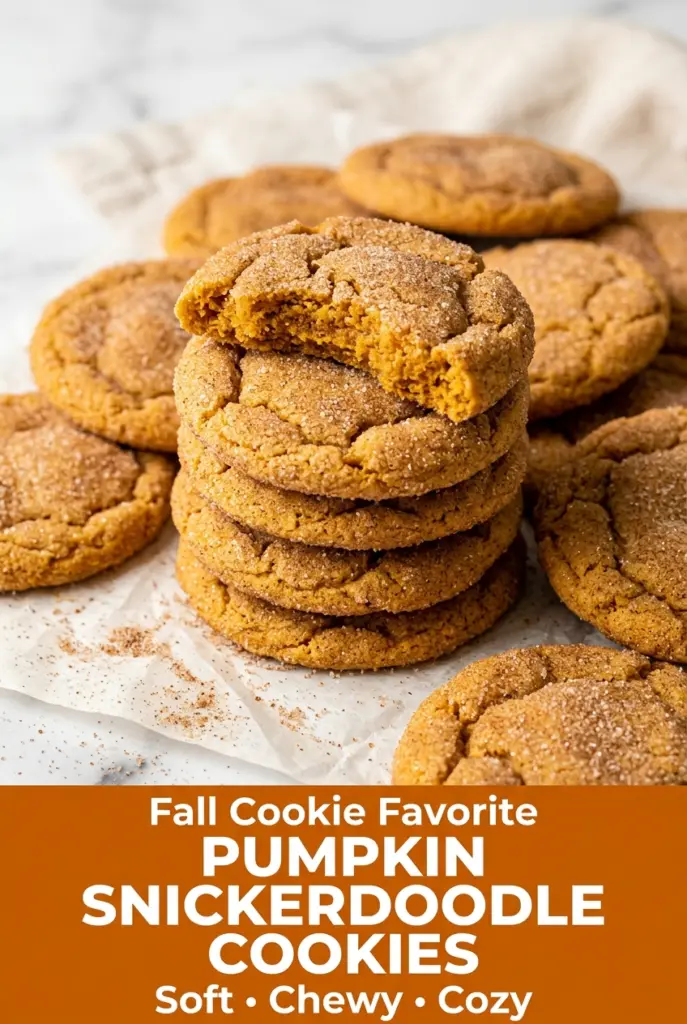
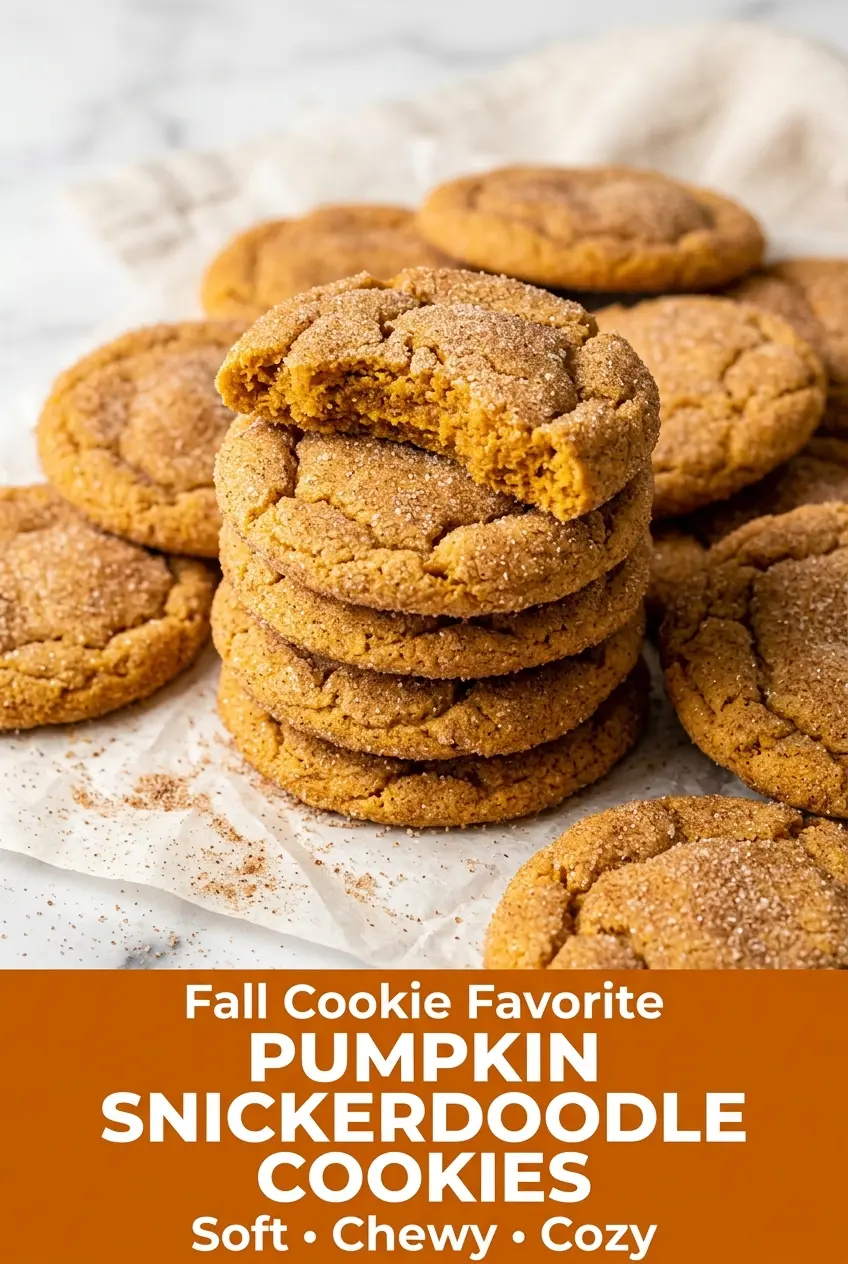
Pumpkin Snickerdoodle Cookies bake up soft in the middle with a light crinkle on top and that classic cinnamon-sugar finish that crackles just a little when you bite in. The…
Tip: save now, cook later.Pumpkin Snickerdoodle Cookies bake up soft in the middle with a light crinkle on top and that classic cinnamon-sugar finish that crackles just a little when you bite in. The pumpkin keeps them tender, but the dough still has enough structure to hold onto the edges you want in a snickerdoodle: set, chewy, and never cakey. They taste like the best part of fall baking without drifting into muffin territory.
The trick is keeping the pumpkin amount modest and using just the egg yolk instead of a whole egg. That gives you pumpkin flavor and moisture without turning the dough too loose. Cream of tartar matters here too — it gives these cookies their tang and helps the texture stay in that snickerdoodle lane instead of reading like a soft pumpkin sugar cookie.
Below, I’ve included the one step that keeps the coating from sliding off, plus a few swaps and storage notes so you can bake these ahead without losing that fresh-from-the-oven texture.
The cookies stayed soft for days and the cinnamon-sugar coating baked into that perfect crackly crust. I loved that they tasted like pumpkin but still had the chewy snickerdoodle texture I was hoping for.
Love the soft centers and cinnamon-sugar crust on these Pumpkin Snickerdoodle Cookies? Save them to Pinterest for your next cozy baking day.
The Reason These Pumpkin Cookies Stay Chewy Instead of Cakey
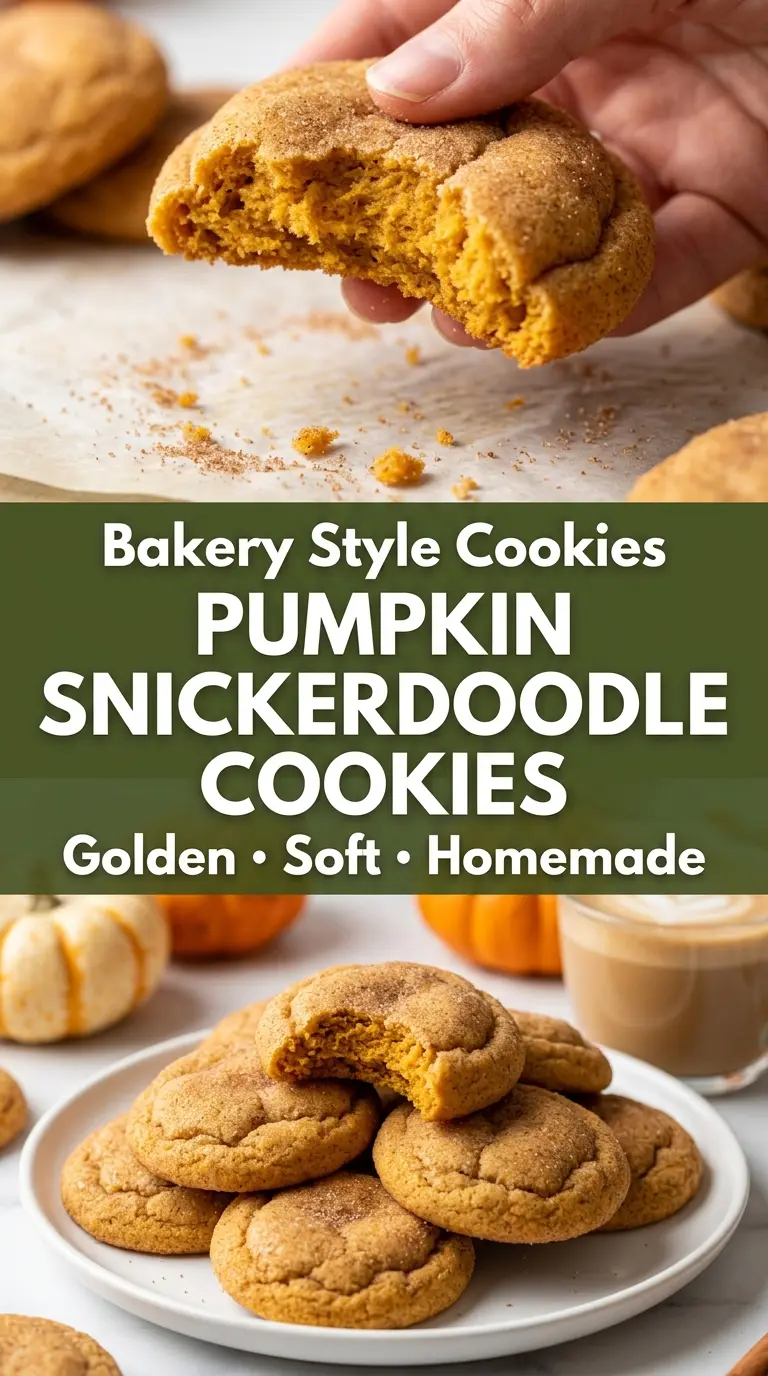
Pumpkin is the ingredient that trips up most snickerdoodle variations. It brings moisture, which is great, but too much of it pushes the cookie into muffin-like territory and robs you of that chewy center. This version keeps the pumpkin in check and uses an egg yolk instead of a whole egg, which adds richness and binding without extra water.
The other piece that matters is the way the cookies are baked. You want the edges set while the centers still look slightly underdone when they come out of the oven. That carryover heat finishes the middle without drying the cookie out. If you wait until the whole cookie looks firm in the oven, they’ll end up thicker, drier, and less snickerdoodle-like than they should be.
- Cream of tartar — This gives snickerdoodles their signature tang and helps the texture stay soft. There isn’t a perfect substitute if you want that classic result, but in a pinch you can use 2 tsp baking powder instead of the cream of tartar and baking soda combined, though the flavor will be flatter.
- Pumpkin purée — Use plain pumpkin purée, not pumpkin pie filling. Pie filling is already sweetened and spiced, which throws off both texture and seasoning.
- Brown sugar — This adds moisture and a light caramel note that works with the pumpkin. Light or dark brown sugar both work; dark brown sugar gives a deeper, molasses-heavy cookie.
- Egg yolk — This is the small detail that keeps the dough rich without making it wet. A whole egg adds too much structure-breaking moisture here.
Mixing the Dough So the Coating Stays Put
Whisk the dry ingredients first
Combine the flour, cream of tartar, baking soda, pumpkin pie spice, cinnamon, and salt before you touch the butter. That spreads the leavening and spices evenly through the dough, which keeps the cookies from tasting uneven or baking with little bitter pockets of soda. If you skip this and dump everything together at once, the dough can get patchy fast.
Beat the butter and sugars until they look fluffy
You’re looking for a lighter color and a texture that looks aerated, not greasy. Two to three minutes with softened butter is enough. If the butter is too warm, the dough spreads too much; if it’s still cold in the middle, the sugar won’t dissolve well and the cookies bake up grainy.
Fold in the pumpkin just until smooth
Add the pumpkin, egg yolk, and vanilla and mix until the dough comes together. Stop there. Overmixing once the flour goes in makes the cookies tougher, and overworking the pumpkin mixture can turn the dough slack. It should be soft and scoopable, not sticky like batter.
Roll generously in cinnamon sugar
Coat each dough ball thoroughly so the sugar has a chance to caramelize on the outside. A light dusting won’t give you that classic snickerdoodle shell. If the dough feels tacky, chill it for 10 to 15 minutes before rolling so the coating clings instead of melting into the surface.
Three Ways to Adjust These Cookies Without Losing the Texture
Gluten-Free Version
Use a 1:1 gluten-free baking flour that includes xanthan gum. The cookies will still be soft and chewy, though they may spread a touch less and need an extra minute in the oven. Don’t swap in almond flour alone; it won’t hold the dough together in the same way.
Dairy-Free Adjustment
Use a plant-based butter stick, not a tub spread, because the higher water content in tub-style margarine can change the way the cookies spread. The flavor stays close to the original, and the cinnamon-sugar coating still gives you that crisp exterior.
Extra Pumpkin Spice Flavor
Add another 1/4 teaspoon of pumpkin pie spice to the dough if you want a stronger spice note. Don’t push it much farther unless you like a heavily spiced cookie, because too much spice can start to overpower the buttery snickerdoodle base.
Storage and Reheating
- Refrigerator: Store in an airtight container for 4 to 5 days. They stay soft, though the cinnamon-sugar coating loses a little of its sparkle.
- Freezer: These freeze well after baking. Freeze in a single layer, then move to a container or bag for up to 2 months. You can also freeze the dough balls and bake from frozen with 1 to 2 extra minutes.
- Reheating: Warm in a 300°F oven for 3 to 5 minutes or microwave one cookie for about 8 seconds. Too much heat makes them dry, so keep the reheating short.
Questions I Get Asked About This Recipe
Pumpkin Snickerdoodle Cookies
Ingredients
Equipment
Method
- Preheat the oven to 350°F and line two baking sheets with parchment paper for easy release.
- In a medium bowl, whisk together the all-purpose flour, cream of tartar, baking soda, pumpkin pie spice, ground cinnamon, and salt until evenly combined.
- In a large mixing bowl, beat the softened unsalted butter, light brown sugar, and granulated sugar until light and fluffy, about 2–3 minutes, creating a pale, airy base.
- Mix in the pumpkin purée, egg yolk, and vanilla extract until smooth and fully incorporated.
- Gradually add the dry ingredients to the wet ingredients and mix just until a soft dough forms, stopping as soon as no dry streaks remain.
- In a small bowl, stir together the granulated sugar and ground cinnamon for the coating.
- Scoop about 2 tablespoons of dough and roll into a ball, then coat each ball thoroughly in the cinnamon-sugar mixture so it looks frosted with spice.
- Place dough balls 2 inches apart on the prepared baking sheets and gently flatten slightly with your hand for even baking.
- Bake for 10–12 minutes at 350°F, until the edges are set and the centers remain soft.
- Cool on the baking sheet for 5 minutes before transferring to a wire rack to cool completely for the best chewy texture.
