
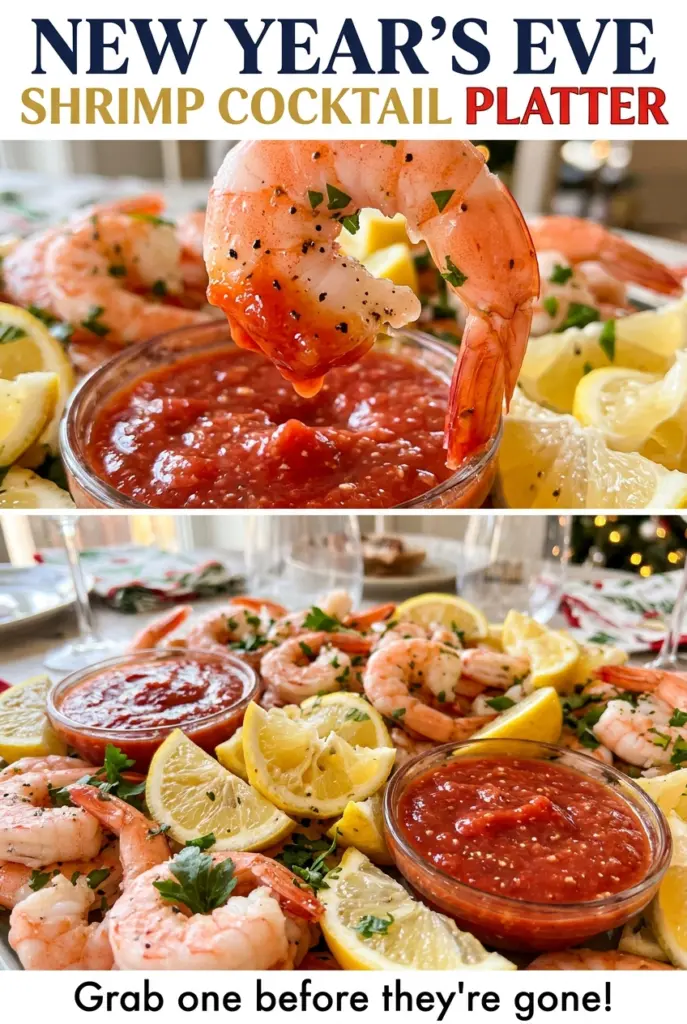
New Year’s Eve Shrimp Cocktail Platter
The shrimp turn opaque in just a couple of minutes, which is exactly why I set the ice bath beside the stove before the pot ever goes on. There’s no…
Tip: save now, cook later.The shrimp turn opaque in just a couple of minutes, which is exactly why I set the ice bath beside the stove before the pot ever goes on. There’s no time to hunt for a bowl once they’re cooked. That quick cook and immediate chill give this New Year’s Eve shrimp cocktail platter its tender bite and make it easy to serve cold instead of trying to cool warm shrimp on a bed of serving ice.
I keep the seasoning simple: salt, whole peppercorns, bay leaves, and lemon steep in the water before the shrimp go in. The cocktail sauce takes only a stir, with prepared horseradish and a little hot sauce bringing the ketchup to life. Once the shrimp are chilled and the sauce is cold, the platter is ready for the table.
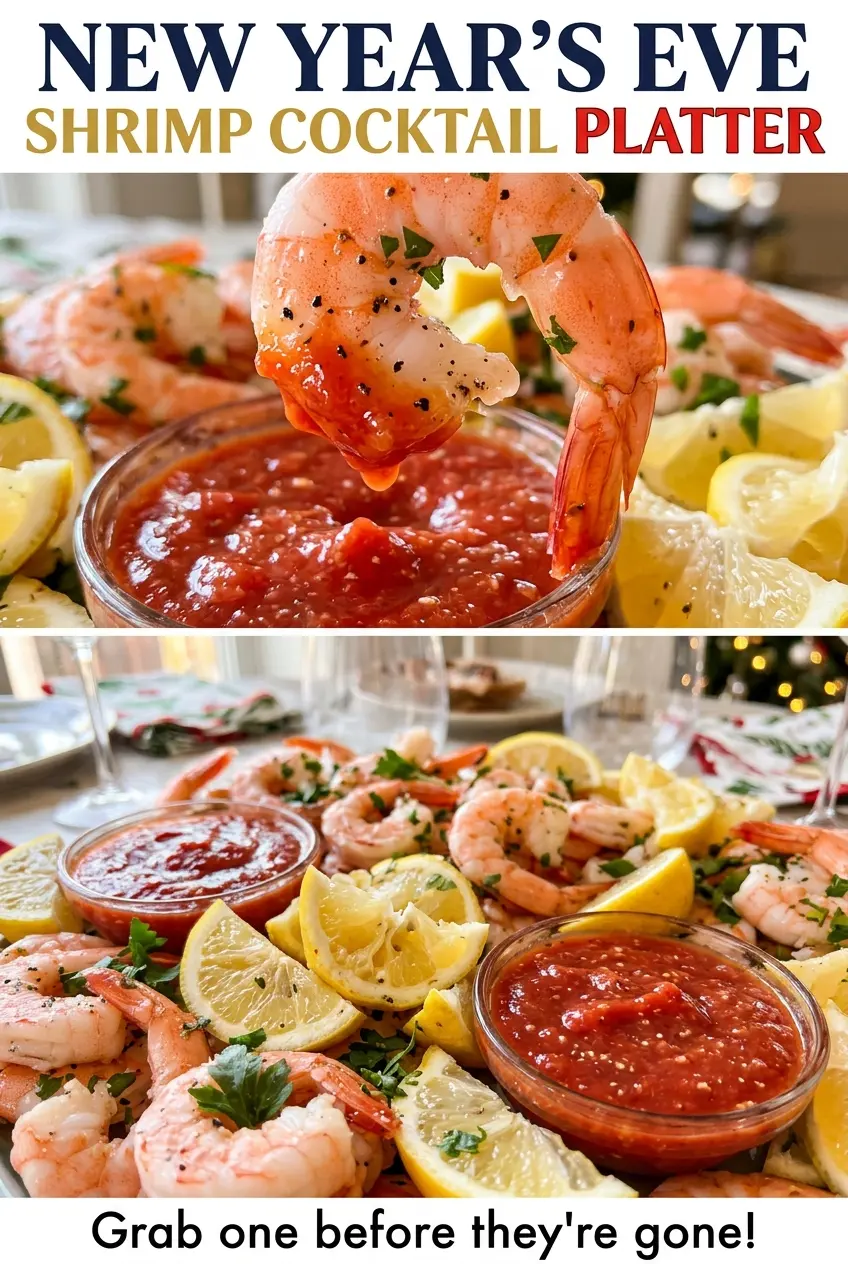
Kitchen Note
Drain the shrimp well and pat them dry before they go on the platter. Any water clinging to them melts the serving ice faster and leaves the shrimp sitting in a puddle.
Save this New Year’s Eve shrimp cocktail platter for a party appetizer with tender, chilled shrimp and a horseradish-kissed sauce.
Why the Shrimp Needs a Real Ice Bath, Not Just a Chilled Platter
A platter covered in ice looks cold, but it can’t cool hot shrimp evenly from the outside in. The center of a large shrimp holds heat, so a short ice bath right after cooking is what brings the whole shrimp down quickly and protects its texture. It also gives you a much better starting point for serving: the shrimp are already cold before they’re arranged over the platter ice.
That’s especially useful with 16/20-count shrimp. They’re large enough to stay juicy when cooked carefully, but they can turn firm and rubbery if they keep cooking after they leave the pot. The cold-water-and-ice bath is ready before the shrimp cook, so the transition from simmering water to chilling water is immediate. The serving ice then does its proper job: keeping the finished platter cold at the table, rather than trying to rescue shrimp that are still warm.
What the Poaching Seasonings and Sauce Ingredients Bring to the Platter
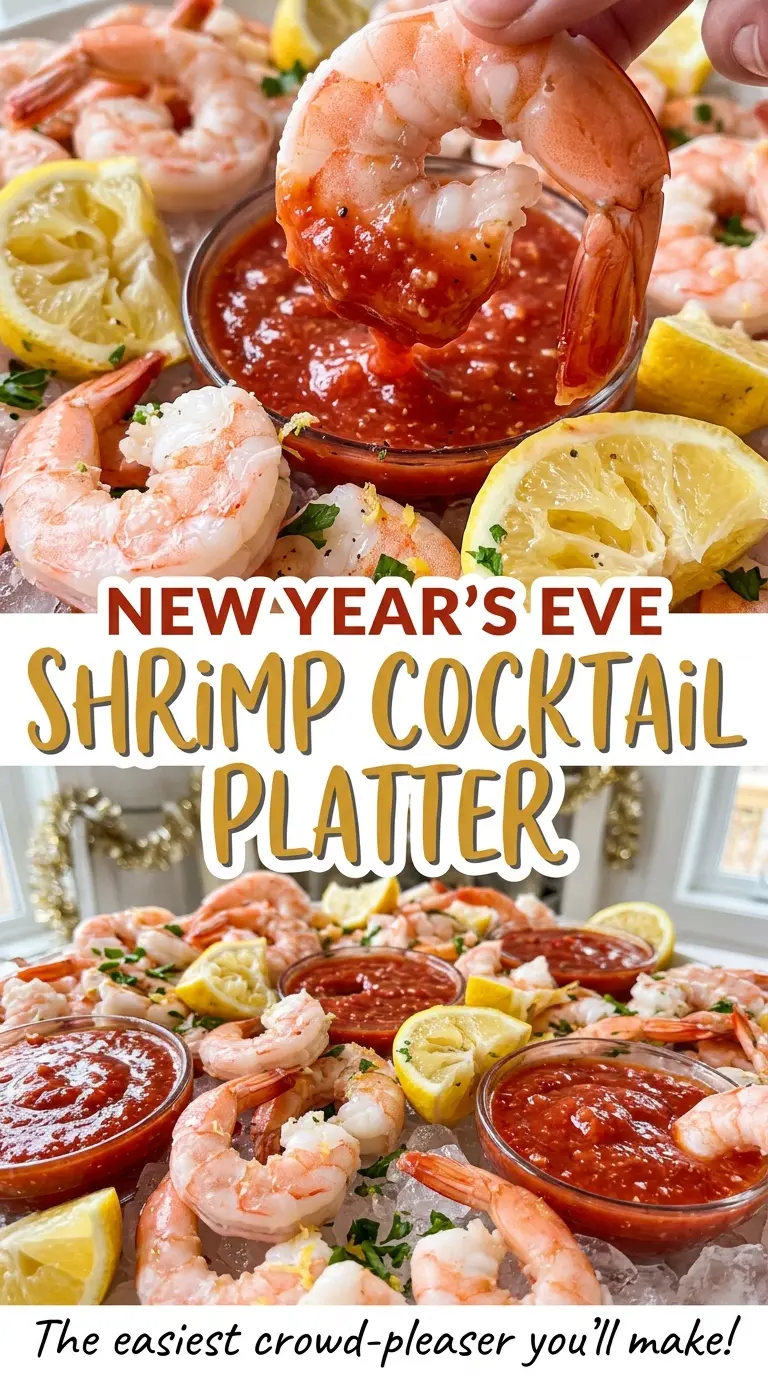
- Large raw shrimp — The 16/20 count gives you substantial shrimp that are easy to pick up by the tail and dip. Frozen shrimp work once thawed; buy them peeled and deveined to keep prep straightforward, while leaving the tails on gives each piece a natural handle.
- Whole peppercorns and bay leaves — These gently season the poaching water without leaving ground pepper clinging to the shrimp. Whole peppercorns are worth using here; ground pepper would make the cooking liquid gritty and harder to strain around the finished shrimp.
- Fresh lemon — Thin slices perfume the poaching water, while the wedges give guests a fresh squeeze at the table. Bottled lemon juice is convenient for the sauce, but it doesn’t replace the sliced lemon in the pot in quite the same way.
- Ketchup — It makes a smooth, familiar base for the cocktail sauce. A standard bottle works well; there’s no need to seek out a specialty ketchup for this dip.
- Prepared horseradish and hot sauce — Horseradish brings the sharp, nose-tingling heat people expect from cocktail sauce, while hot sauce adds a warmer kick. Prepared horseradish varies in strength by brand, so taste the mixed sauce before serving if you’re sensitive to heat.
- Worcestershire sauce — A small amount gives the sauce savory depth behind the ketchup’s sweetness. Keep it in the mix; leaving it out makes the dip taste flatter.
How to Poach the Shrimp Without Losing Their Tender Bite
Get the Ice Bath Ready First
Combine the cold water and ice in a large 8-quart bowl before heating the stockpot. Set it close enough to the stove that you can transfer the shrimp without delay. The bowl should have room for both the shrimp and the ice water, not just enough space to dunk a few at a time. Having this ready is what makes the quick chill practical.
Let the Lemon and Spices Steep
In an 8-quart stockpot, combine the water, kosher salt, whole black peppercorns, bay leaves, and thinly sliced half of the lemon. Bring the pot to a boil, then lower it to a simmer for 5 minutes before adding the shrimp. Those minutes give the aromatics time to season the cooking water. Don’t rush straight from a boil to the shrimp; let the simmer happen first.
Cook Just Until Opaque
Add the thawed shrimp and stir gently so they cook evenly in the seasoned water. Start checking at 2 minutes; large shrimp should take 2 to 3 minutes, turning opaque as they cook. Check the thickest shrimp with an instant-read thermometer and take the shrimp out when it reaches 145°F. Waiting for every shrimp to curl tightly or for the pot to boil again can leave them overcooked.
Chill, Mix, and Arrange
Transfer the shrimp immediately to the prepared ice bath and chill for 5 minutes, then drain well. Stir the ketchup, prepared horseradish, bottled lemon juice, Worcestershire sauce, and hot sauce in a small bowl, and refrigerate the sauce until serving. Spread the remaining ice over a large serving platter, arrange the shrimp around a small bowl of sauce, and serve with the lemon wedges. Keep the sauce in its bowl rather than pouring it over the shrimp.
Two Easy Ways to Change the Shrimp Cocktail Platter
Set Out Individual Cocktail Portions
For a smaller gathering or a tidier buffet, divide the chilled shrimp among individual serving glasses and put a small portion of the cocktail sauce alongside each one. It changes the platter into ready-to-grab servings without changing the poaching method or sauce. Keep the lemon wedges on the side so each person can add them to taste.
Turn Up the Horseradish
For a sharper, more sinus-clearing dip, stir extra prepared horseradish into the finished sauce a little at a time and taste as you go. The ketchup still rounds out the heat, but the sauce becomes less sweet and more assertive. Keep the listed sauce mixture as your starting point, since prepared horseradish brands don’t all have the same strength.
Make-Ahead and Leftovers
- Refrigerator: Keep shrimp and sauce in separate covered containers at 40°F or below and use the shrimp within 3 to 4 days. The shrimp may soften slightly as they sit. Don’t leave the platter out for more than 2 hours, or 1 hour when the temperature is above 90°F.
- Freezer: The assembled platter isn’t a good freezer candidate. You can freeze the cooked shrimp in an airtight container, but thawing softens their texture; the cocktail sauce is best made fresh rather than frozen.
- Reheating: Serve the shrimp cold; reheating isn’t needed and can make them tough. Keep the sauce separate from the shrimp when storing leftovers so the shrimp don’t sit in the dip.
Questions That Come Up When Making Shrimp Cocktail
New Year’s Eve Shrimp Cocktail Platter
Ingredients
Equipment
Method
- In a large 8-quart bowl, combine the cold water and 2 pounds of ice to make an ice bath.
- In an 8-quart stockpot, combine the 4 quarts water, kosher salt, peppercorns, bay leaves, and sliced half of the lemon.
- Bring the mixture to a boil, then simmer for 5 minutes.
- Add the shrimp and cook, stirring gently, for 2 to 3 minutes, until opaque and the thickest shrimp reaches 145°F.
- Immediately transfer the shrimp to the ice bath and chill for 5 minutes.
- Drain the shrimp well and pat dry.
- Stir the ketchup, horseradish, lemon juice, Worcestershire sauce, and hot sauce together in a small bowl.
- Refrigerate the cocktail sauce until serving.
- Spread the remaining 1 pound ice on a large serving platter.
- Arrange the shrimp around a small bowl of cocktail sauce and serve with the lemon wedges.
