
Gingerbread Cinnamon Rolls
When the pan comes out of the oven, the spirals are golden and the centers have just set; the cream cheese icing softens as it meets the warm rolls. That…
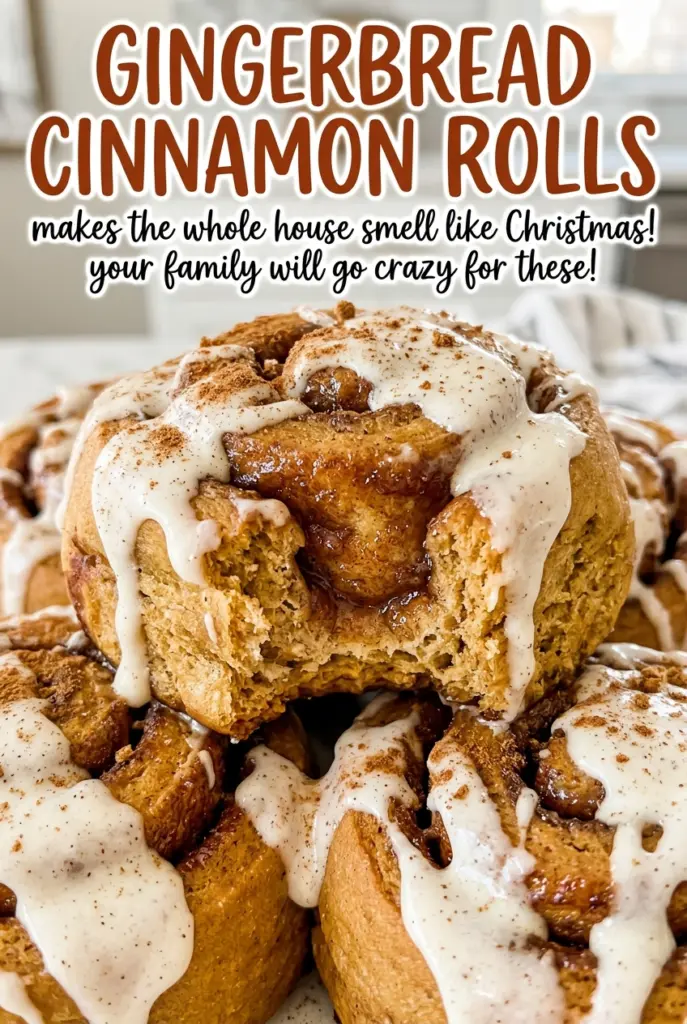
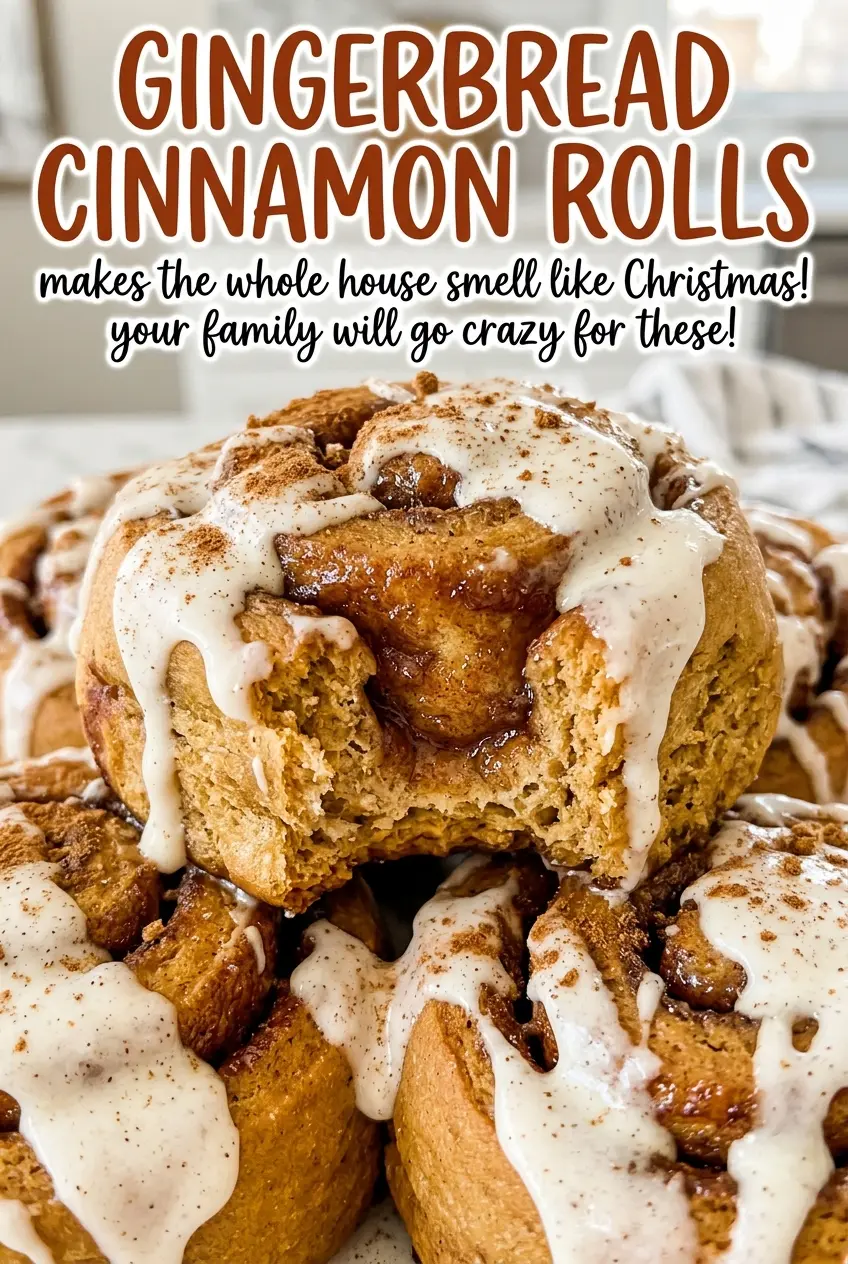
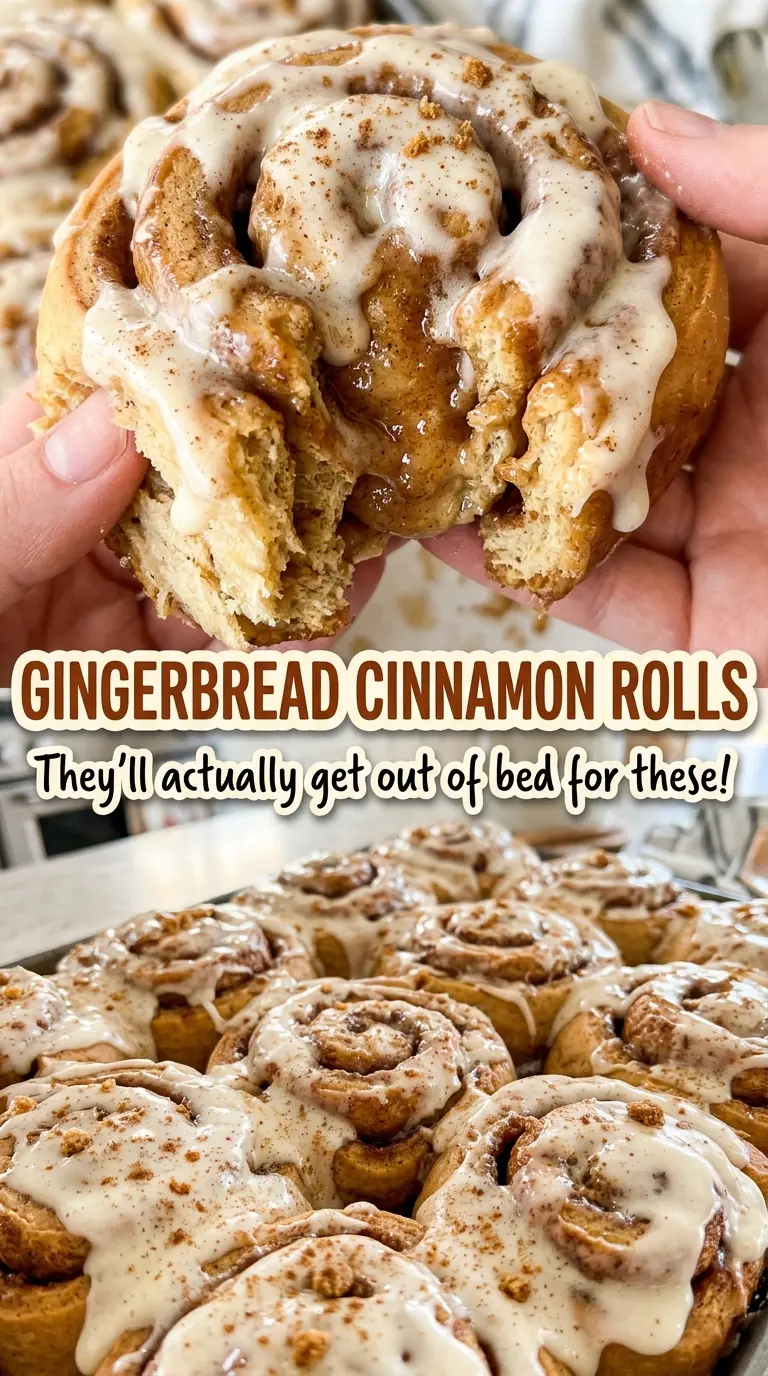
Tip: save now, cook later.When the pan comes out of the oven, the spirals are golden and the centers have just set; the cream cheese icing softens as it meets the warm rolls. That little window—after the rolls rest but before they cool—is when the icing spreads easily without disappearing into the dough. Gingerbread Cinnamon Rolls bring molasses into the dough itself, so the gingerbread flavor runs through each soft bite instead of sitting only in the filling.
I like how the spice stays warm and balanced here. Cinnamon, ginger, and a small amount of clove flavor the brown sugar filling, while the cream cheese icing gives each roll a gentle tang. The dough is rich with butter and egg, but it still rolls out smoothly after its first rise. Give it enough time to become puffy, and you’ll have twelve spiraled rolls with tender centers and a fragrant, buttery filling.
Kitchen Note
Check the milk with an instant-read thermometer before adding the yeast; it should be 105–110°F. Milk that’s too hot can damage the yeast, and you want to see foam after the mixture stands for 5–10 minutes.
Save these Gingerbread Cinnamon Rolls for a cozy bake: molasses-rich dough, a spiced brown sugar swirl, and cream cheese icing on top.
Why the Filling Stays Put Instead of Escaping the Swirls
The filling melts as the rolls bake, and it needs a close spiral to keep most of that buttery sugar tucked between the layers. A loose roll leaves open pockets where the filling can shift, while an uneven layer can leave some bites sweet and others mostly bready. Spreading the butter first gives the brown sugar and spices a surface to cling to, so they travel with the dough as you roll it.
Leave the half-inch border bare when you spread the butter and sprinkle on the filling. That small margin keeps the edge of the dough from getting slick with butter and sugar, making the log easier to handle as you roll it from a long side. Keep the roll snug without pressing hard enough to flatten it. If a little filling does escape during baking, don’t worry; the rolls will still have plenty in their layers, and the brown sugar at the edges turns pleasantly sticky.
What Molasses and the Spice Blend Bring to These Rolls
- Unsulphured molasses — This gives the dough its deep, rounded gingerbread character and color. Unsulphured molasses has a smoother flavor than blackstrap, which can taste sharp and bitter here. Choose a fresh bottle; there’s no need for a specialty brand.
- Active dry yeast — The yeast lifts this buttery dough and gives the rolls their soft interior. Check that it foams after standing in the warm milk mixture; if it stays completely flat, the yeast may not be active enough to raise the dough properly.
- All-purpose flour — It gives the dough enough structure to hold its spiral without making the rolls too chewy. Measure without packing the flour into the cup; too much can leave the dough stiff and the baked rolls dry. All-purpose flour is the right fit here, so I don’t recommend swapping in a gluten-free blend.
- Brown sugar and spices — Light brown sugar keeps the filling sweet and gently molasses-like, while the ground spices make the gingerbread flavor distinct. Dark brown sugar works as a one-for-one replacement if that’s what you have; expect a deeper, more pronounced molasses note in the filling.
- Cream cheese — Softened cream cheese gives the icing its tang and helps it balance the sweet rolls. Use it softened so it beats smoothly with the butter. A store-brand block works just as well as a premium one; avoid using cream cheese straight from the refrigerator, which can leave lumps.
From Foamy Yeast to Soft, Spiraled Rolls
Building a Smooth, Elastic Dough
Grease a large mixing bowl and a 9×13-inch baking dish with the neutral oil. Warm the milk to 105–110°F, then stir in the active dry yeast and granulated sugar; let the mixture stand for 5–10 minutes until foamy. Stir in the molasses, room-temperature egg, and melted, cooled butter before mixing in the flour and salt. Once a shaggy dough forms, knead it on a clean work surface for 8–10 minutes, until it feels smooth and elastic rather than rough and torn.
Letting the Dough Rise Until Doubled
Set the dough in the greased bowl and cover it. Leave it to rise for 1–1 1/2 hours, checking the dough itself rather than relying only on the clock. It should look full and approximately doubled in size. If it hasn’t reached that point, give it more time instead of moving on while it’s still compact.
Rolling, Filling, and Proofing the Spirals
Turn the risen dough onto a clean work surface and roll it into a 12×18-inch rectangle. Spread the softened butter over the dough, leaving a 1/2-inch border, then mix the brown sugar with the cinnamon, ginger, and cloves and sprinkle the mixture evenly over the butter. Roll the dough tightly from a long edge and cut it into 12 equal rolls; arrange them cut-side up in the prepared baking dish. Cover and let them rise for 30–45 minutes until puffy, heating the oven to 350°F during this second rise.
Baking and Icing While the Rolls Are Warm
Bake the rolls for 25–30 minutes, until they’re golden brown and the centers are set. If the tops are golden but a center still looks wet and unset, give the pan a little more time rather than pulling it early. Let the rolls rest in the baking dish for 10 minutes. Beat the softened cream cheese and remaining softened butter until smooth, then beat in the powdered sugar, vanilla, and milk until creamy; spread the icing over the warm rolls.
Two Easy Ways to Change the Gingerbread Rolls
Make the ginger more pronounced
Use 1 tablespoon of ground ginger in the filling instead of 2 teaspoons. The rolls will have a sharper ginger warmth that stands up more clearly to the molasses, while the cinnamon and clove remain in the background.
Make them dairy-free
Use unsweetened oat milk in place of the whole milk, stick-style dairy-free butter in place of the butter, and dairy-free cream cheese in the icing. Keep the egg in the dough; this makes the rolls dairy-free, not egg-free or vegan. The icing’s tang and texture will vary a little by brand.
Storage and Reheating
- Refrigerator: Keep iced rolls covered in an airtight container for up to 4 days. The dough firms when chilled, and the icing will feel less soft.
- Freezer: Freeze fully cooled, uniced rolls in an airtight container for up to 2 months. Thaw them in the refrigerator and make the icing fresh when you’re ready to serve.
- Reheating: Warm one roll in the microwave for 15–20 seconds, just until soft and warm. Long bursts can make the dough tough and the icing runny.
Questions I Get About Gingerbread Cinnamon Rolls
Gingerbread Cinnamon Rolls
Ingredients
Equipment
Method
- Use the neutral oil to grease a large mixing bowl and a 9x13-inch baking dish.
- Warm the milk to 105–110°F.
- Stir the yeast and granulated sugar into the warm milk, then let stand for 5–10 minutes until foamy.
- Stir the molasses, egg, and 4 tablespoons melted and cooled butter into the yeast mixture.
- Mix in the flour and salt until a shaggy dough forms.
- Knead the dough on a clean work surface for 8–10 minutes until smooth and elastic.
- Put the dough in the greased bowl, cover, and let rise for 1–1 1/2 hours until doubled in size.
- Turn the dough onto a clean work surface and roll it into a 12x18-inch rectangle.
- Spread 6 tablespoons softened butter over the dough, leaving a 1/2-inch border.
- Mix the brown sugar, cinnamon, ginger, and cloves, then sprinkle the mixture evenly over the butter.
- Roll the dough tightly from a long edge and cut into 12 equal rolls.
- Arrange the rolls cut-side up in the prepared baking dish.
- Cover and let rise for 30–45 minutes until puffy.
- Heat the oven to 350°F during the rise.
- Bake for 25–30 minutes until golden brown and the centers are set.
- Let the rolls rest in the baking dish for 10 minutes.
- Beat the cream cheese and remaining 2 tablespoons softened butter until smooth.
- Beat in the powdered sugar, vanilla, and milk until creamy.
- Spread the icing over the warm rolls.
