
Creamy Chicken Tetrazzini
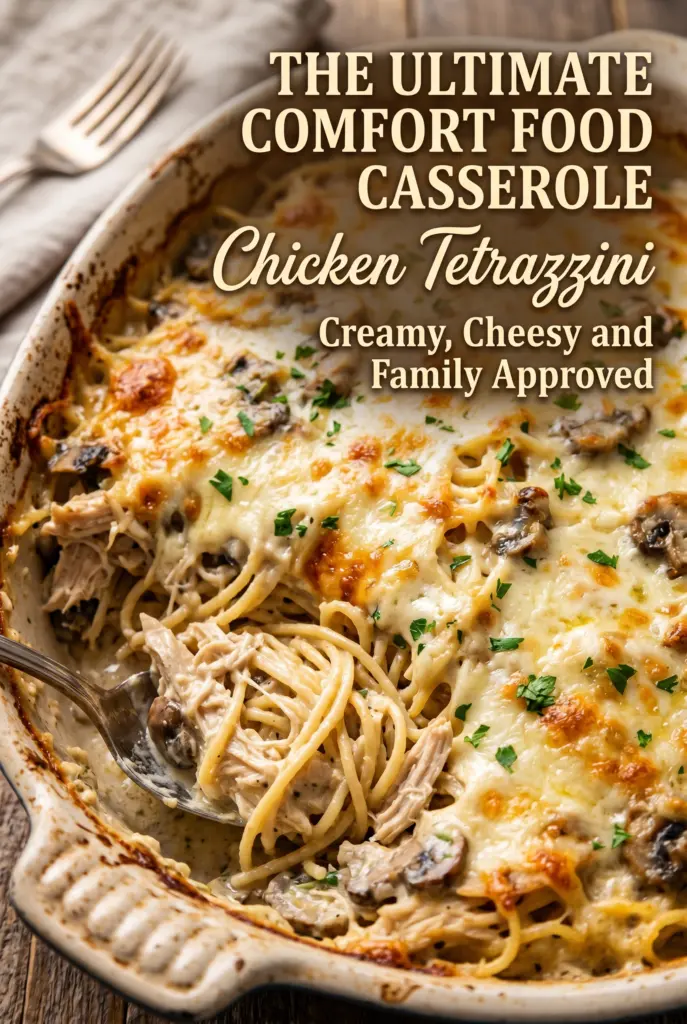
Creamy Chicken Tetrazzini lands in that sweet spot between cozy and practical: tender spaghetti tangled with shredded chicken, mushrooms, and a Parmesan cream sauce that bakes up bubbling at the…
Tip: save now, cook later.Creamy Chicken Tetrazzini lands in that sweet spot between cozy and practical: tender spaghetti tangled with shredded chicken, mushrooms, and a Parmesan cream sauce that bakes up bubbling at the edges without turning dry in the middle. The best versions don’t taste like pasta swimming in gravy. They taste layered, with enough sauce to coat every strand and enough cheese on top to give you that browned, savory finish when it comes out of the oven.
The trick here is treating the sauce like a stovetop sauce first and a casserole second. Mushrooms need time to lose their moisture and pick up color before the flour goes in, or they steam the whole dish into a softer, blander bake. Then the broth, milk, and cream go in gradually so the sauce thickens smoothly instead of turning lumpy or gluey. Once the Parmesan melts in, you’ve got a base that clings to the pasta instead of disappearing into the pan.
Below, I’ve laid out the parts that matter most, including how to keep the pasta from going soft in the oven and what to change if you want to stretch this into a freezer meal.
The sauce thickened up beautifully and stayed creamy after baking. I loved that the mushrooms actually had color instead of just disappearing into the casserole, and my husband went back for a second helping before I’d even sat down.
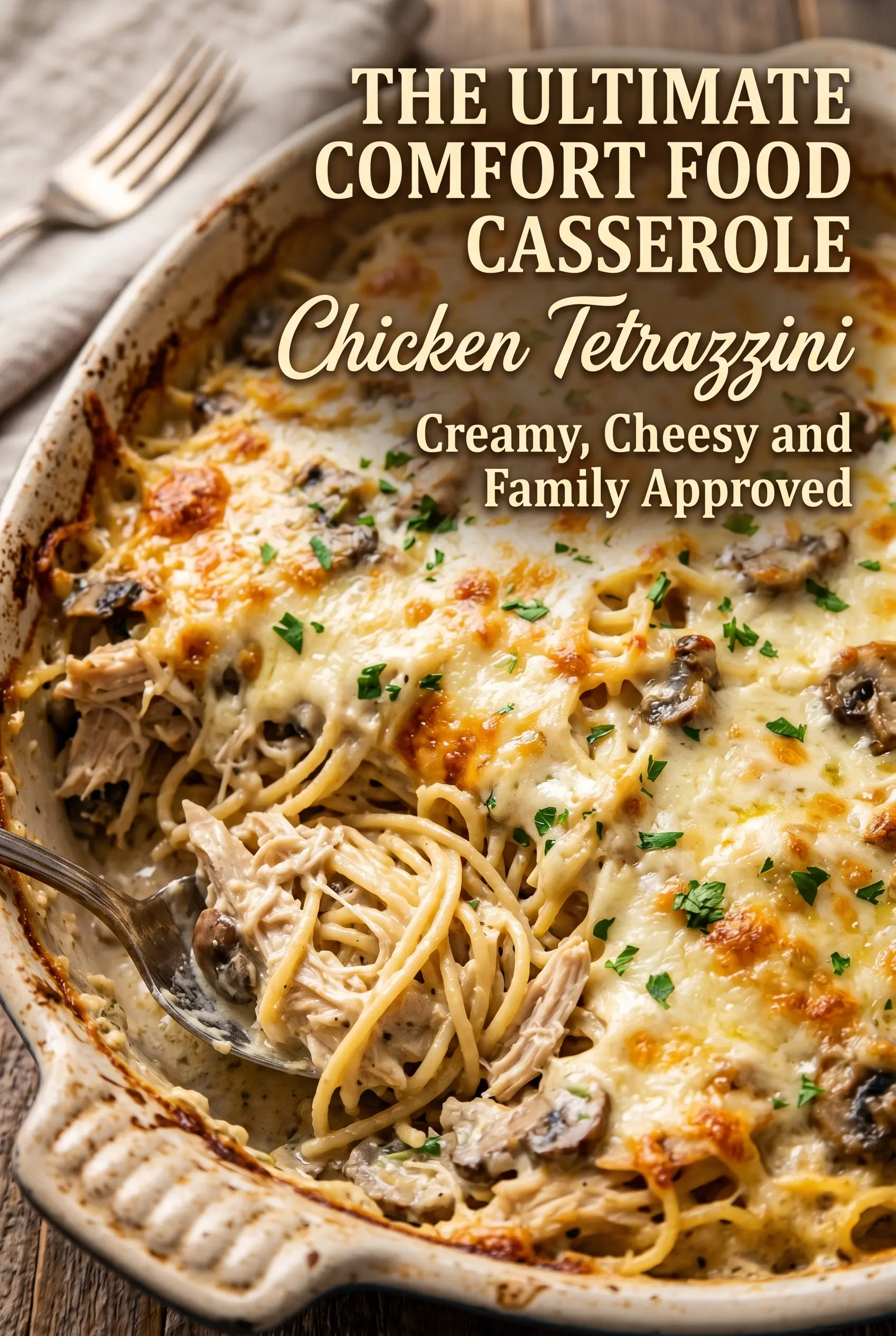
Creamy Chicken Tetrazzini with mushrooms, Parmesan sauce, and that bubbly baked finish

The Reason Tetrazzini Can Turn Heavy Instead of Creamy
Chicken tetrazzini goes wrong when the sauce is built too thick before it hits the oven. Pasta keeps absorbing liquid as it bakes, so a sauce that looks perfect in the skillet can tighten up into something dry by the time it reaches the table. That’s why this version aims for a sauce that coats the back of a spoon but still loosens slightly when you stir in the chicken and spaghetti.
Mushrooms matter more than people think here. If they’re tossed into butter and left to sit long enough to brown, they add a deeper savory note that keeps the casserole from tasting flat. If they go in with the flour too soon, they trap moisture and the whole dish leans pale and watery instead of rich.
- Spaghetti — Cook it just to al dente. It should still have a little bite because the oven finishes the job.
- Cooked shredded chicken — Rotisserie chicken works well, and leftovers are perfect here. Cut or shred it into medium pieces so it stays present in the casserole.
- Mushrooms — Brown them before adding the flour. That step builds the savory base, and cremini give a deeper flavor than white mushrooms.
- Parmesan — Freshly grated Parmesan melts more smoothly and gives the sauce a cleaner, saltier edge than the shelf-stable kind.
- Mozzarella — This is the top layer that gives you stretch and browning. Use low-moisture shredded mozzarella so the casserole doesn’t turn wet on top.
Building the Sauce Before the Oven Does the Work
Cooking the mushrooms first
Start with the mushrooms and let them release their moisture before you add the garlic. At first they’ll look crowded and a little dull; keep cooking until the pan looks mostly dry again and the edges start to take on color. If you rush this part, the casserole tastes more steamed than baked.
Thickening without lumps
Sprinkle the flour over the mushrooms and stir it for a full minute so the raw taste cooks out. Then whisk in the broth, milk, and cream a little at a time. That gradual addition keeps the sauce smooth, while dumping it all in at once can leave you chasing little flour clumps around the pan.
Knowing when to stop at the stovetop
The sauce is ready when it looks silky and lightly thickened, not paste-like. It should coat a spoon and slowly fall back into the pan. If it’s already very thick before it goes into the oven, the pasta will suck up the rest and you’ll lose the creamy texture that makes tetrazzini worth making.
Finishing in the oven
Once the chicken and spaghetti are folded in, transfer everything to the baking dish right away. The casserole should look generously sauced before it bakes, because the noodles absorb more than you expect. Pull it when the mozzarella is melted and the edges are bubbling hard; if the center is dry, it went too long.
How to Adapt This for a Different Pantry or a Bigger Batch
Gluten-Free Tetrazzini
Use your favorite gluten-free spaghetti and swap the all-purpose flour for a gluten-free 1:1 blend. The sauce still thickens well, but give it an extra minute on the stove after the liquid goes in so the starches fully activate. If the pasta is especially delicate, undercook it by another minute to keep the baked texture intact.
Lighter Half-and-Half Version
Replace the heavy cream with more whole milk or half-and-half if you want a lighter casserole. The sauce won’t be quite as plush, but it still bakes up creamy as long as you don’t overbake it. Keep the Parmesan and mozzarella amounts the same so the dish still tastes finished, not watered down.
Make-Ahead Freezer Pan
Assemble the casserole up to the baking dish, then wrap it tightly before freezing. Stop the pasta a touch short of al dente so it doesn’t go mushy after reheating. Bake from thawed for the best texture, and add a few extra minutes if the center is still cold when it goes into the oven.
Adding Peas or Broccoli
Fold in a cup of thawed peas or small blanched broccoli florets if you want more vegetables in the pan. Keep the additions modest so the sauce still clings to the pasta instead of thinning out. Broccoli brings a firmer bite; peas blend in softly and keep the casserole classic.
Storage and Reheating
- Refrigerator: Store covered for up to 4 days. The pasta will absorb more sauce as it sits, so expect a slightly thicker casserole on day two.
- Freezer: Freezes well for up to 2 months, especially before baking. Wrap tightly and thaw overnight before heating for the best texture.
- Reheating: Reheat covered in a 325°F oven with a splash of milk stirred over the top if it looks dry. The common mistake is blasting it in the microwave until the sauce breaks and the pasta turns rubbery.
Answers to the Questions Worth Asking
Creamy Chicken Tetrazzini
Ingredients
Equipment
Method
- Preheat the oven to 375°F (190°C). Set out a greased 9x13-inch baking dish for later.
- Cook the spaghetti according to package directions and drain. Leave it in the colander so excess water doesn’t thin the sauce.
- Melt the butter in a large skillet over medium heat. Swirl until the butter is fully melted and lightly foamy.
- Add the mushrooms and cook until softened. Cook for several minutes, stirring, until they give off moisture and look tender.
- Stir in the minced garlic and cook for 30 seconds. Keep stirring so it becomes fragrant without browning.
- Sprinkle the flour over the mushrooms and stir for 1 minute. The mixture should look slightly thickened and paste-like.
- Gradually whisk in the chicken broth, milk, and cream. Whisk until smooth and no floury lumps remain.
- Simmer until the sauce thickens. Look for a silky consistency that coats the back of a spoon.
- Stir in the Parmesan cheese, Italian seasoning, salt, and black pepper. Continue stirring until the cheese melts and the sauce turns glossy.
- Stir in the chicken and cooked spaghetti. Mix until everything is evenly coated.
- Transfer the mixture to the greased 9x13-inch baking dish. Spread into an even layer.
- Top with the shredded mozzarella cheese. Cover the surface in a uniform layer.
- Bake for 25–30 minutes until bubbly and golden. The edges should bubble and the top should look lightly browned.
- Garnish with the chopped parsley before serving. Sprinkle on top right after baking for a fresh green finish.
