
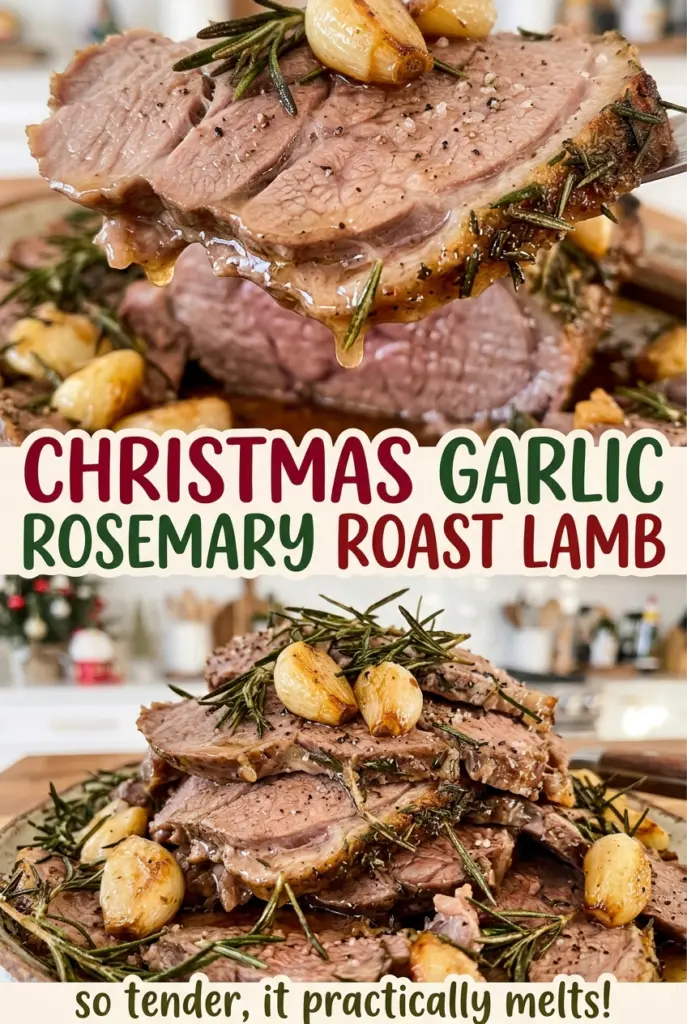
Christmas Garlic Rosemary Roast Lamb
The kitchen starts smelling of garlic and rosemary before a leg of lamb is anywhere near ready to carve. That first blast of heat gives the outside a head start,…
Tip: save now, cook later.The kitchen starts smelling of garlic and rosemary before a leg of lamb is anywhere near ready to carve. That first blast of heat gives the outside a head start, but a roast this size needs a slower stretch in the oven for the center to cook through. This Christmas Garlic Rosemary Roast Lamb uses a bone-in leg and a short, savory rub, so the main work is getting the oven and the timing right.
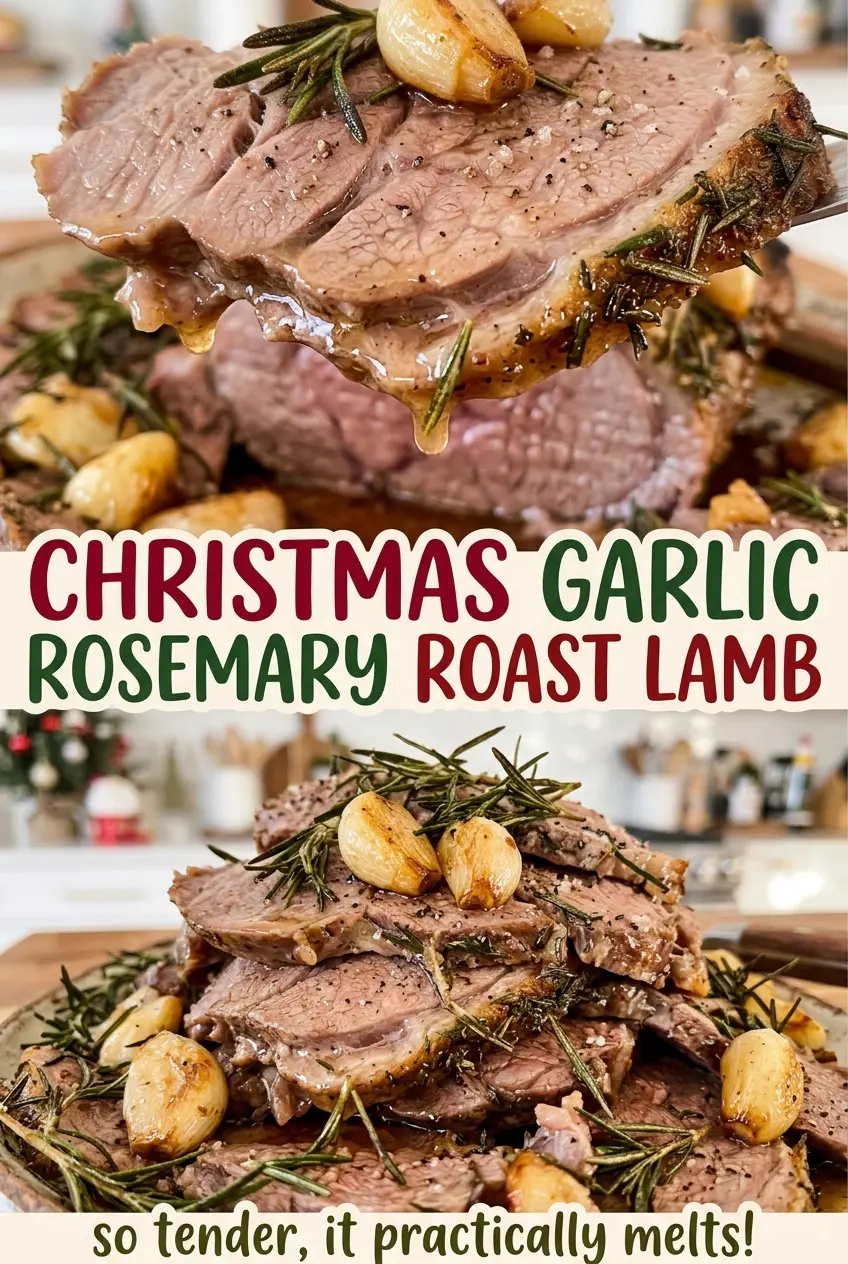
I trim the fat cap to a thin layer, score it without cutting into the meat, and rub the lamb with garlic, fresh rosemary, olive oil, salt, and pepper. Then it goes into a hot oven before the temperature comes down for the longer roast. A thermometer takes the guesswork out of the finish, and a short rest makes carving calmer. The result is a substantial roast with a fragrant, browned exterior and slices seasoned all the way around.
Kitchen Note
Keep the crosshatch shallow. You want to score through the fat cap, not into the meat; that gives the rub a textured surface to cling to without cutting into the roast.
Save this Christmas Garlic Rosemary Roast Lamb for a centerpiece with a simple garlic-herb crust and a clear, thermometer-guided finish.
Why This Lamb Gets 20 Minutes at 450°F Before the Long Roast
A large leg of lamb doesn’t heat evenly from edge to center. Starting at 450°F gives the surface an early chance to brown, while the lower oven temperature takes over for the longer cook. Keeping those stages distinct also means the minced garlic and rosemary aren’t left in the hottest oven for the entire roasting time.
The switch in temperature is part of the method, not an optional shortcut. I don’t extend the initial high-heat stage to chase more color; the roast still needs its longer cook at 325°F. Time is a useful guide, but the leg’s thickness and shape affect how quickly its center warms. Check the thickest section with a thermometer and keep the probe clear of the bone, which can give a misleading reading. That check, rather than the color of the outside, tells you when the roast is ready.
Fresh Rosemary and a Thin Fat Cap Carry the Flavor Here
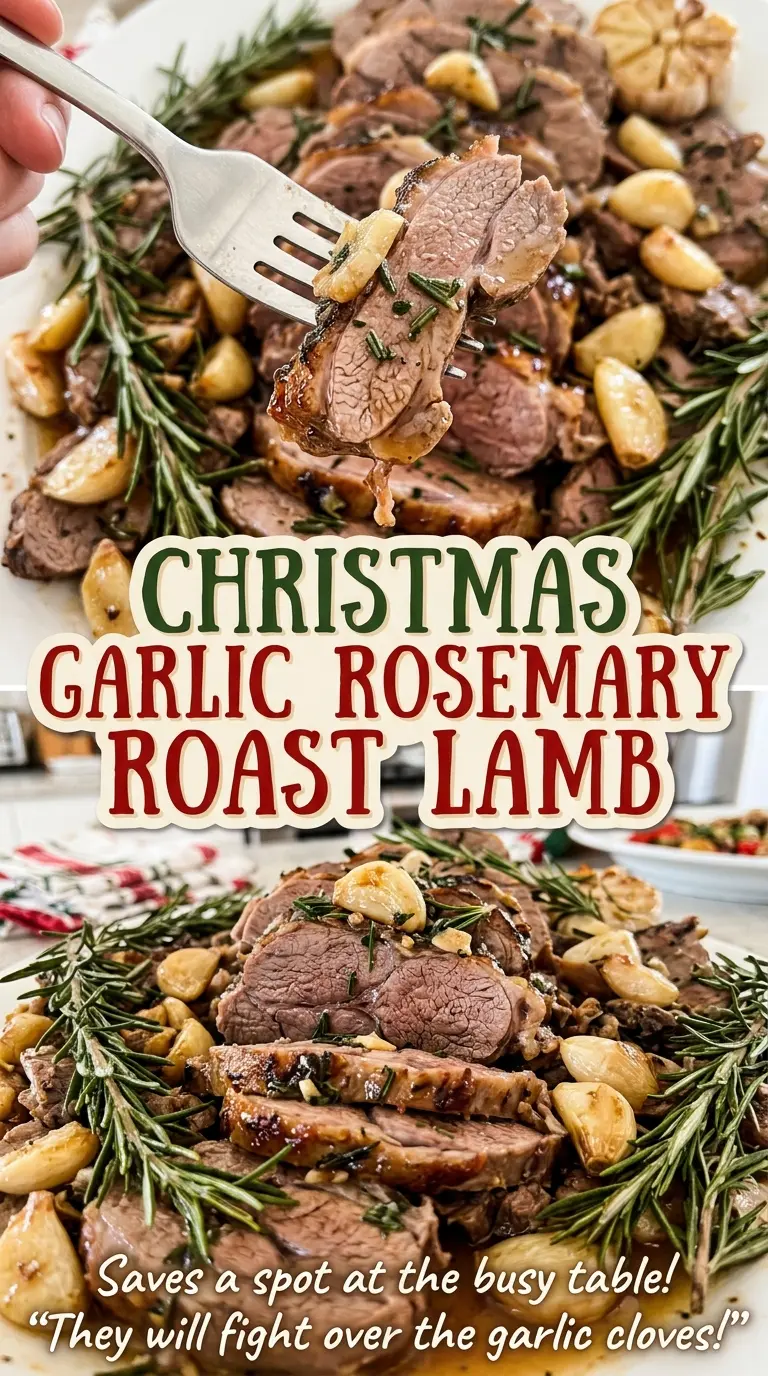
- Bone-in leg of lamb — The bone is part of this roast’s shape and cooking setup, so choose a 5-pound bone-in leg rather than assuming a boneless cut will follow the same timing. Trim excess fat to a 1/4-inch layer; leaving that cap gives the surface a little protection as it roasts.
- Garlic — Freshly minced cloves make a pungent, savory coating that spreads through the oil and herbs. Mince them finely so you can distribute the mixture over the lamb instead of leaving large pieces in a few spots.
- Fresh rosemary — Finely chopped fresh rosemary gives the rub its piney, aromatic edge. Fresh matters here: dried rosemary has a different texture and concentration, so it isn’t a direct swap for the fresh herb in this version.
- Olive oil — The oil helps the garlic, rosemary, salt, and pepper combine into a rub that’s easy to spread. A standard olive oil is fine; there’s no need to use a special finishing oil for a roast that cooks in the oven.
- Kosher salt — Salt seasons the substantial leg, while kosher crystals are easy to distribute across its surface. Crystal size varies by brand, so use the stated measurement rather than casually changing the amount.
- Black pepper — Pepper adds a warm, direct bite alongside the garlic and rosemary. It doesn’t need to compete with them; this roast keeps its seasoning focused and uncluttered.
From a Shallow Score to a Rested Carve
Set Up the Lamb and Its Rub
Heat the oven to 450°F and set a rack inside a roasting pan. Score the fat cap in a shallow crosshatch, taking care not to cut into the meat. Stir together the minced garlic, finely chopped rosemary, olive oil, kosher salt, and black pepper until the herbs and garlic are coated. Rub that mixture over the lamb so the surface has an even layer rather than a few heavy clumps.
Give the Roast Its Hot Start
Set the leg fat side up on the rack. Roast it for 20 minutes at 450°F, keeping that first stage to the stated time rather than waiting for the whole leg to look finished. The outside should be starting to take on color, and the garlic and rosemary will smell fragrant. The center will still need the longer, lower-temperature roast.
Lower the Oven and Check the Center
Reduce the oven to 325°F and continue roasting for 1 1/2 to 2 1/4 hours. Begin checking the thickest part with a thermometer as the roast approaches the end of that window; insert the probe into meat without touching bone. The lamb is ready when that reading is at least 145°F. If the outside looks ready before the center reaches that point, trust the thermometer rather than the surface color.
Rest Before You Carve
Transfer the lamb to a carving board and leave it to rest for 15 minutes before slicing. The pause gives the juices time to settle, so they’re less likely to run across the board as soon as you cut. Use a sharp carving knife and work in steady slices, following the shape of the leg. If you’re carving around the bone, let the bone guide the knife rather than trying to force a straight cut through it.
What to Change—and What Not to Change—About This Roast
A naturally gluten-free, dairy-free centerpiece
The listed ingredients are naturally free of gluten and dairy, so this roast doesn’t need a replacement ingredient to suit either of those needs. Keeping the garlic, rosemary, and olive oil together preserves the savory herb coating without changing how the lamb cooks.
Don’t carry the same timing over to boneless lamb
This timing is for a 5-pound bone-in leg, not a boneless roast. A boneless leg has a different shape, so the same time window may not bring its center to the same finish. For the roast described here, keep the bone-in cut and use the thermometer to judge doneness.
Storage and Reheating
- Refrigerator: Store carved leftovers in an airtight container for 3 to 4 days. The chilled meat will be firmer than freshly carved lamb.
- Freezer: Freeze leftover slices in a tightly sealed freezer-safe container for up to 2 to 3 months for best quality. Thaw them in the refrigerator before reheating.
- Reheating: Warm slices gently in a covered oven-safe dish or in the microwave, stopping once they reach 165°F. Avoid reheating uncovered for a long stretch, which can dry the cut edges.
Questions That Come Up Before the Lamb Goes in the Oven
Christmas Garlic Rosemary Roast Lamb
Ingredients
Equipment
Method
- Heat the oven to 450°F.
- Set a rack inside a roasting pan.
- Score the lamb’s fat cap in a shallow crosshatch, without cutting into the meat.
- Mix the garlic, rosemary, olive oil, salt, and pepper, then rub the mixture over the lamb.
- Set the lamb fat side up on the rack.
- Roast for 20 minutes.
- Reduce the oven to 325°F and continue roasting for 1 1/2 to 2 1/4 hours, until a thermometer inserted into the thickest part without touching bone reads at least 145°F.
- Transfer the lamb to a carving board and rest for 15 minutes before carving.
