

Cheesy Yellow Squash and Zucchini Casserole
Cheesy yellow squash and zucchini casserole lands in that sweet spot between creamy and sturdy: tender vegetables tucked into a rich, savory filling with a buttery cracker top that bakes…
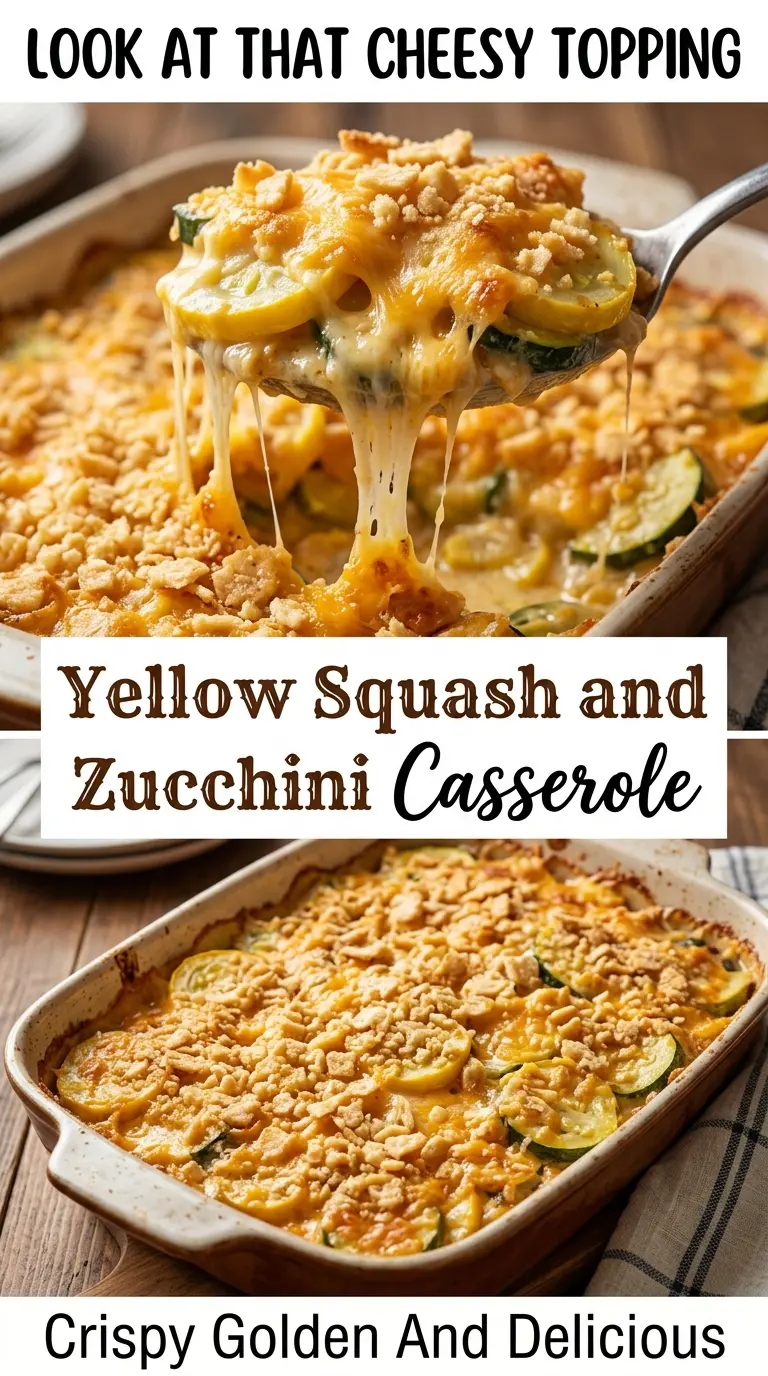
Tip: save now, cook later.Cheesy yellow squash and zucchini casserole lands in that sweet spot between creamy and sturdy: tender vegetables tucked into a rich, savory filling with a buttery cracker top that bakes up crisp instead of soggy. It tastes like the kind of side dish that gets scraped clean first, because it brings enough comfort to sit beside roasted chicken or ham, but still keeps the fresh flavor of the vegetables front and center.
The part that makes this version work is a short sauté before the bake. Yellow squash and zucchini hold a lot of water, and if you dump them straight into the casserole raw, they can water down the filling and soften the topping. Cooking them briefly with onion and garlic drives off some moisture and builds flavor at the same time, so the finished dish stays creamy instead of loose. Sour cream, eggs, cheddar, and Parmesan give the filling body, while the cracker topping adds the contrast that makes every bite worth going back for.
Below, I’ve included the exact cue I watch for when the vegetables are ready, plus a few simple swaps if you need to adjust the cheese or make the casserole fit what’s already in your kitchen.
The casserole held together beautifully and the cracker topping stayed crisp even after sitting on the table for a bit. I liked that the squash wasn’t watery at all, and the Parmesan gave it a nice salty edge.
Love that golden cracker crust and creamy squash filling? Save this Cheesy Yellow Squash and Zucchini Casserole for the next potluck or holiday table.
The Reason This Casserole Stays Creamy Instead of Watery
Squash and zucchini can sabotage a casserole fast if they go in raw. They release moisture as they bake, and that extra liquid has nowhere to go once the sour cream and eggs set up. The result is a filling that looks fine on top but turns loose underneath. A brief sauté changes that. It softens the vegetables just enough, cooks off surface moisture, and gives the onion and garlic time to stop tasting sharp.
The other thing that matters here is the balance between dairy and eggs. Sour cream brings tang and richness, cheddar gives melt, Parmesan adds salt and depth, and the eggs bind everything so the casserole slices instead of puddling. If your version ever turns grainy, it’s usually because the vegetables were too hot when the dairy went in or the casserole baked too long. Let the skillet mixture cool for a few minutes before stirring in the egg mixture, and the texture stays smooth.
What Each Ingredient Is Actually Doing in This Dish
- Yellow squash and zucchini — These bring the fresh, mild vegetable flavor that keeps the casserole from tasting heavy. Slice them evenly so they cook at the same pace; thick chunks stay firm while thin slices collapse.
- Onion and garlic — They build the savory base. The onion should soften, not brown, and the garlic only needs a minute so it doesn’t turn bitter.
- Sour cream — This is what makes the filling creamy and slightly tangy. Plain Greek yogurt can work in a pinch, but it sets a little firmer and tastes sharper.
- Cheddar and Parmesan — Cheddar melts into the custard, while Parmesan gives the casserole a saltier, more structured bite. Freshly grated Parmesan melts better than the shelf-stable powdery kind.
- Eggs — They hold the filling together. Beat them well before adding them so you don’t get streaks of cooked egg in the finished casserole.
- Buttery cracker crumbs — This topping is there for crunch and a little salt. Breadcrumbs can work, but they don’t give the same buttery snap or the same nostalgic finish.
The Short Cook That Makes the Whole Casserole Work
Softening the Vegetables First
Melt the butter in a large skillet, then cook the onion until it turns translucent and fragrant. Add the garlic, squash, and zucchini, and stir often so the vegetables soften evenly. You’re looking for a slight collapse at the edges and a little steam coming off the pan, not deep browning. If the heat is too high, the vegetables sear before they release any moisture, and the casserole can taste uneven.
Building the Filling
Let the vegetable mixture cool for a few minutes before adding it to the bowl with sour cream, cheeses, eggs, salt, pepper, and paprika. Hot vegetables can start scrambling the eggs or making the sour cream look split. Stir until everything is evenly coated and the mixture looks thick and spoonable. That texture matters more than precision here, because it’s what keeps the casserole from turning soupy in the oven.
Finishing With the Cracker Topping
Spread the filling into the baking dish, then mix the cracker crumbs with melted butter and Parmesan before sprinkling them over the top. The butter helps the crumbs toast instead of drying out. Bake until the center is set and the topping is deeply golden, with the edges bubbling up around the sides. Let it rest for 10 minutes before serving so the filling has time to settle and cut cleanly.
Three Ways to Adjust This Casserole Without Ruining the Texture
Make It Gluten-Free With a Crunchy Topping
Use crushed gluten-free buttery crackers or gluten-free breadcrumbs in place of the standard topping. The crust will still brown and crisp, though breadcrumbs land a little less rich than crackers. Keep the butter in the topping so it toasts properly.
Swap the Dairy Without Losing the Creamy Center
For a lighter version, use plain Greek yogurt instead of sour cream and keep the cheddar. The texture will be a touch firmer and the tang a little sharper, but the casserole still bakes up creamy. I wouldn’t replace both the sour cream and the cheddar at the same time, because that’s where the richness comes from.
Turn It Into a Heartier Side Dish
Add a handful of cooked, crumbled bacon or diced ham to the filling for a smoky, saltier casserole. That works especially well for holiday meals, but keep the amount modest so the vegetables still stay in charge. Too much meat tips the dish from creamy side to dense bake.
Use What You Have in the Cheese Drawer
Monterey Jack, Colby, or a mild blend can stand in for cheddar if that’s what you’ve got. Choose a cheese that melts smoothly and avoid anything too dry or aged, since those can make the filling grainy. Parmesan still helps with salt and depth, so I’d keep that in place if possible.
Storage and Reheating
- Refrigerator: Store covered for up to 4 days. The topping softens a bit, but the flavor stays good.
- Freezer: It freezes, though the vegetables can turn a little softer after thawing. Freeze baked portions tightly wrapped, then thaw in the fridge before reheating.
- Reheating: Warm covered at 325°F until heated through, then uncover for the last few minutes to bring the topping back to life. Microwaving works in a pinch, but it makes the crust soggy fast.
Answers to the Questions Worth Asking

Cheesy Yellow Squash and Zucchini Casserole
Ingredients
Equipment
Method
- Preheat the oven to 375°F (190°C). Set aside a 9×13-inch baking dish.
- Grease a 9×13-inch baking dish. Lightly coat the bottom and sides so the casserole releases easily.
- Melt butter in a large skillet over medium heat. Use enough heat to make the butter shimmer without browning.
- Sauté onion for 3 minutes. Stir until softened and translucent with a light golden edge.
- Add garlic, squash, and zucchini. Cook until the garlic is fragrant.
- Cook for 5–6 minutes until slightly softened. Keep stirring so the vegetables start to release moisture.
- Remove from heat and cool slightly. Let the skillet cool off so the egg mixture won’t scramble later.
- In a large bowl, combine sour cream, cheddar cheese, Parmesan, eggs, salt, pepper, and paprika. Stir just until smooth and evenly mixed.
- Stir in the cooked vegetables. Fold until the veggies are coated with the creamy mixture.
- Transfer the mixture to the baking dish. Spread into an even layer for consistent baking.
- Mix cracker crumbs, melted butter, and Parmesan. Stir until the crumbs look evenly moistened.
- Sprinkle evenly over casserole. Cover the surface so the topping turns golden as it bakes.
- Bake for 30–35 minutes until golden brown and bubbly. The center should bubble and the edges should look set.
- Rest for 10 minutes before serving. Let it thicken slightly so portions hold their shape.
